What Is Chocolate?

Image by Bean To Bar World.
There is much to learn about chocolate, but first we need to define what chocolate is. Chocolate is a food like cheese or peanut butter, or a drink like coffee or wine. In its simplest form, dark chocolate, it consists of essentially two ingredients: cocoa beans and sugar. From this, there are many products that are made from chocolate like chocolate truffles and bonbons, ganaches, and other confections. Chocolate can also be an ingredient such as used in cakes, cookies, pastries, mousse, and so much more. It can be a solid bar, or a frothy drink. Chocolate is quite an exquisite food.
Chocolate Through The ages
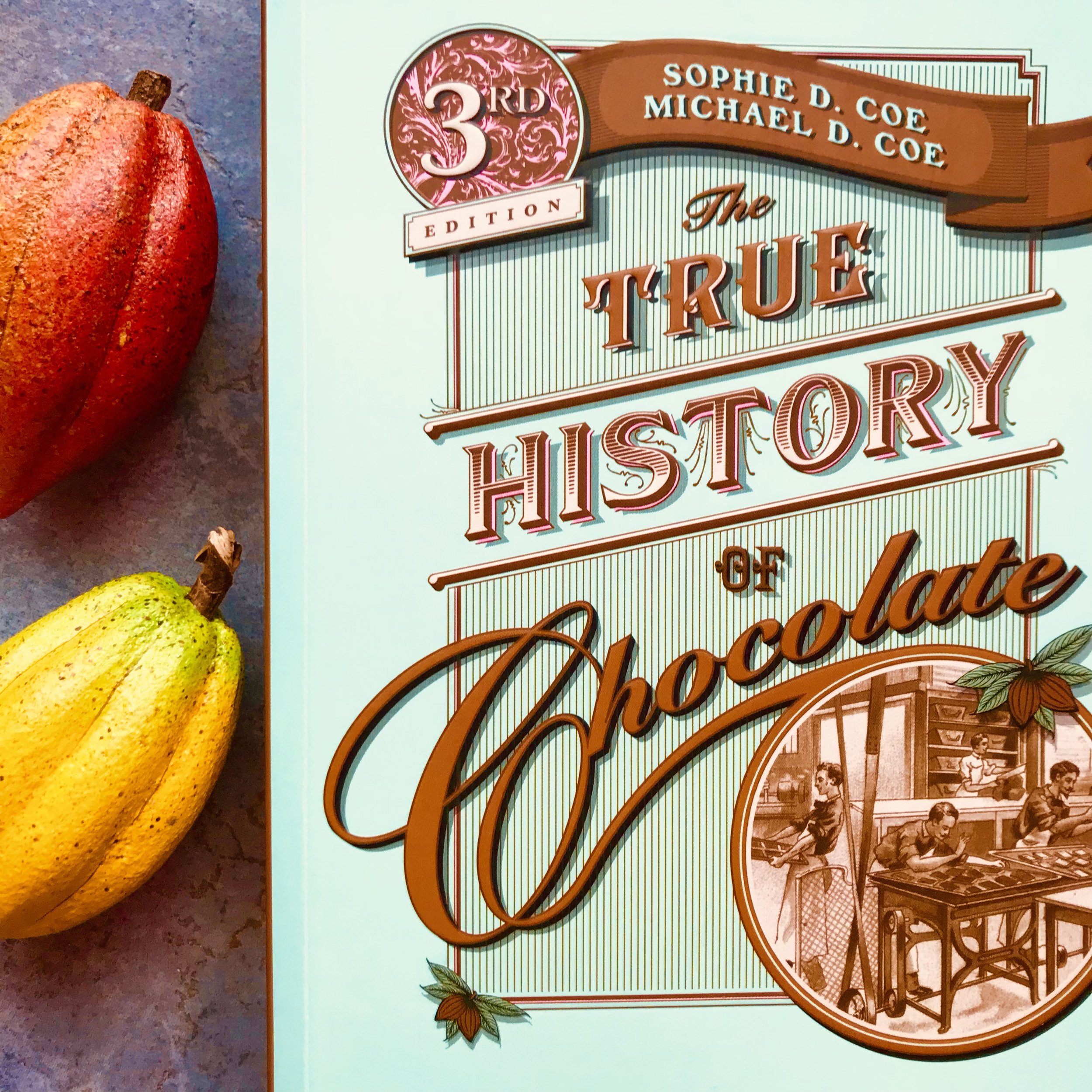
The True History Of Chocolate is a great book for an overview of how chocolate evolved over the ages.
The cacao tree originated in the Northern Amazon. Cacao was enjoyed originally for the juicy fruit inside. We don’t know exactly where or when, but eventually the seeds were used to make chocolate. However, chocolate began as a drink - more similar to coffee or tea than the hot cocoa we know today. It was intense. This is how drinking chocolate was enjoyed in Mesoamerica for millennia.
In 19th Century Europe, chocolate then went from drink to bar. Instead of grinding up cocoa beans into a paste and mixing it with water, it was ground up into a paste with some sugar much like peanut or almond butter. This paste was allowed to set into a bar and eaten.
In the 20th Century chocolate slowly becomes a cheap commodity manufactured by large companies. Chocolate becomes highly adulterated with high amounts of sugars, palm kernel oil, and other ingredients. Chocolate becomes known more as a cheap sugary treat than a sophisticated food or drink that it once was.
Today a few multinational companies produce most of the chocolate in the world. This is known as industrial chocolate. It is what most of us grew up on. These companies produce chocolate for most chocolate shops in the world. Most chocolate shops do not make the actual chocolate. Instead, they make products out of chocolate produced by large manufactures. We refer to these as chocolatiers.
In the 21st Century, there is a surge of what is referred to as “bean-to-bar” or “craft” chocolate makers. These are often very small-scale manufacturers of chocolate. Unlike chocolatiers, they do actually manufacture the chocolate from the bean themselves. But unlike industrial chocolate, they focus on fine and often rare aromatic cacao from various places around the world, and produce a higher quality product that differs in flavour and ingredients from industrial chocolate. I created the first bean-to-bar map which helps you locate such craft chocolate makers around the world.
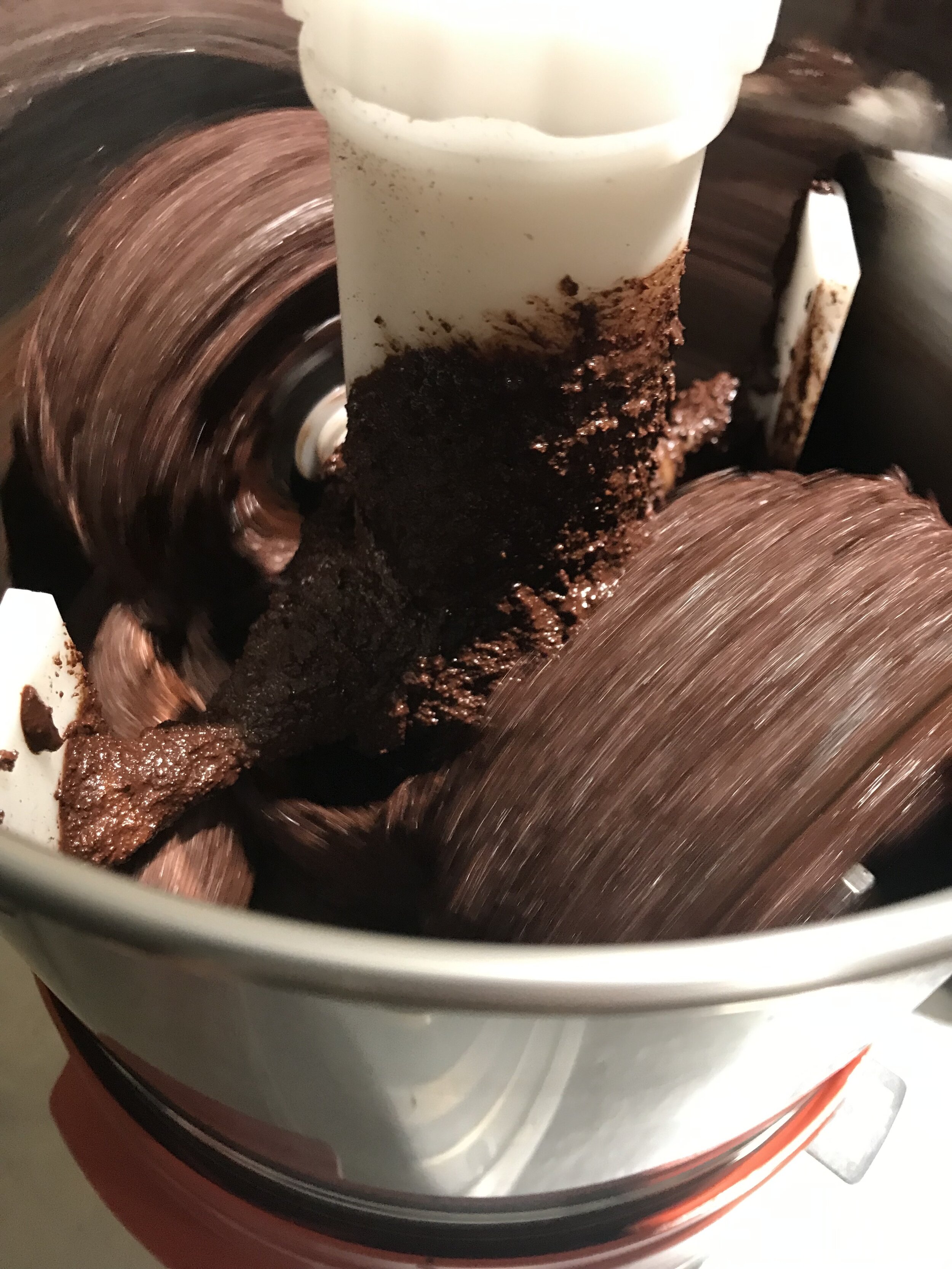
Cocoa nibs grinding in a melanger. Making chocolate is like making peanut or almond butter. It’s grinding up the seeds of the cacao into a paste often combined with sugar (and milk powder for milk chocolate). Image by Geoseph.
How Chocolate Is Made
Chocolate is made from the kernel of the cacao bean and made by a chocolate maker.
The cocoa fruit is harvested, and the fruit and seeds together are fermented in big wooden boxes. During fermentation the fruit disintegrates away, and the flavour of the bean is improved. These seeds are then sun dried and shipped out to chocolate makers.
The chocolate maker roasts the beans to their desired specifications, removes the husk around the kernel, and grinds the kernels (AKA cocoa nibs).
Dark chocolate consists of grinding cocoa nibs, sugar, and often cocoa butter (fat pressed from the cocoa bean) together. Milk chocolate is the same, but with milk powder added to the mixture. This mixture grinds for 2-4 days 24 hours a day.
The finished chocolate is then often tempered and formed into blocks, bars, or chips and packaged.
Chocolatier Vs Chocolate Maker

On the left are spicy mango bonbons I made working as a chocolatier. I made these chocolates, but I didn’t make the chocolate itself from the bean. On the right is me demonstrating making chocolate from the bean on CBC Vancouver. Image by Geoseph.
Most chocolate shops in the world today are chocolatiers. Chocolatiers use chocolate made from a chocolate maker and produce most of the products you encounter such as truffles, bonbons, and other chocolate confections. Chocolate makers generally fall into a few categories. Gigantic industrial chocolate manufacturers, large couverture makers, and small-scale craft chocolate makers (something fairly new).
Chocolatiers
Chocolatiers do not make chocolate, but they do make chocolates. What does this mean? They purchase solid chocolate made by a manufacturer, melt it down, and proceed to make a range of lovely products out of chocolate. Even the top world renowned chocolate shops in the world do not make their own chocolate from the bean, but make confections from a chocolate maker (most often a high-end couverture maker).
Chocolate Makers
Industrial Chocolate Makers

Image by Bean To Bar World.
These are makers most are familiar with such as Lindt, Nestle, Hershey, Cadbury. These are high-volume industrial chocolate produced by bulk cacao (cacao that is not fine flavoured). The goal of these manufacturers is to produce and sell high volumes of chocolates and chocolate confections in high volumes with profit as the main motivator. There is little transparency in regards to the quality and sourcing of the cacao, most of which comes from West Africa.
This the chocolate everyone is most familiar with in regards to expected flavour and texture. Regardless of the manufacture, there is an expectation from the consumer of what a dark or milk chocolate will taste like (this is unlike the chocolate produced by craft makers). The higher percentage dark chocolate is often very bitter, and the milk chocolate is often very sweet. The flavour of the chocolate is always accompanied by real or artificial vanilla flavour. The flavour is quite one dimensional, similar to industrial cheese or beer. It’s a product that is intended to appeal to the widest audience possible. Something that isn’t too interesting when compared to fine chocolate, but also still pleasant for most people in the world.
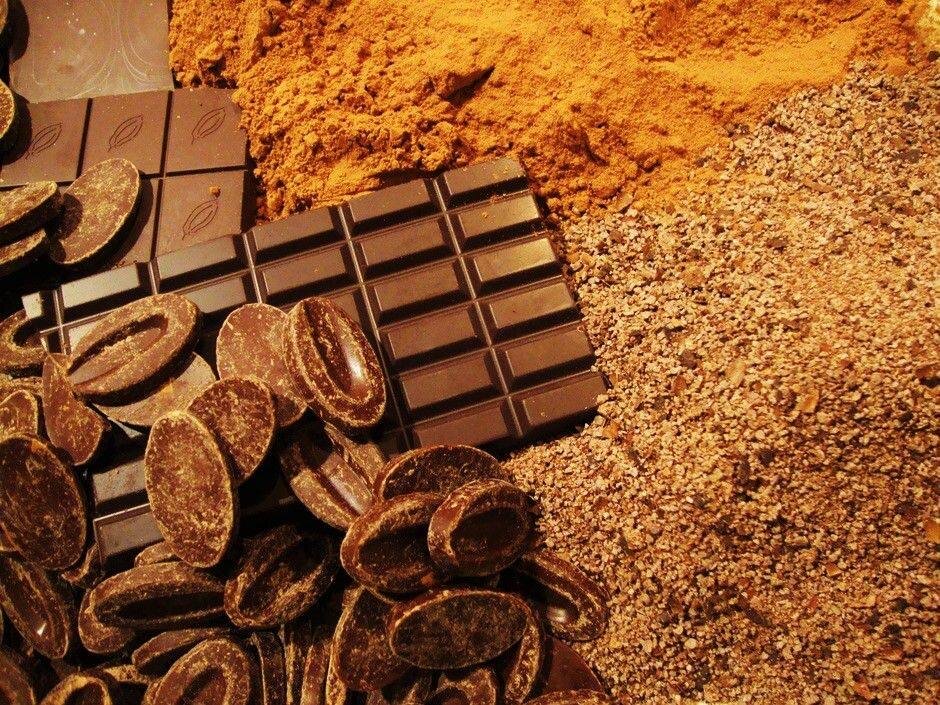
Image by Bean To Bar World.
Couverture Chocolate Makers
These are chocolate manufacturers, often in Europe, that produce large volumes of couverture chocolate intended to be used by chocolatiers and pastry chefs. There are various qualities of couverture from Callebaut to Valrhona and Cacao Barry. These often have higher amounts of cocoa butter which makes the liquid chocolate more fluid and easier for chocolatiers to pour and mold. This chocolate is generally a step up from the industrial chocolate we are surrounded by in grocery stores. This is the chocolate used to supply nearly all the chocolate shops in the world that produce their own bonbons and truffles.
Craft “bean-to-bar” Fine chocolate makers
This is relatively new in the history of chocolate. There has been an explosion of these makers in the last 10 years, and relatively unheard of 30 years ago. These are small-scale chocolate manufacturers who make chocolate from the cocoa bean, hence the term “bean-to-bar”. This term is used to differentiate these small-scale chocolate shops from the chocolatiers around them. The term “craft chocolate” is also a term used to describe these makers. One termed that I’d prefer to use, and that separates this chocolate from the rest is “fine” chocolate, just as we use the term for fine tea. Much of this chocolate is also referred to as “single-origin” although some industrial brands such as Lindt also produce a line of “single-origin” chocolate bars. Not quite the same as craft single-origin, but a term that has sort of lost meaning. This sector of chocolate is very new and quickly evolving, so the terms and definitions are constantly shifting and being reinvented.

Image by The Science Of Chocolate.
Generally, most of these craft “bean-to-bar” makers focus on sourcing very specific fine-flavoured cacao that produces chocolate that tastes unlike the industrial or couverture chocolate you are used to. Think of these makers as your local coffee roaster, craft brewery, or local winery. They source raw cocoa beans, roast them, and have full control over the process. The goal is not to simply to pump out product and turn a profit. There is a lot more of an artistic approach, where factors such as unique flavour (built from roasting and refining techniques) and simple and few ingredients is most critical. There is often a big focus on transparency of cacao sourcing, and sourcing from ethical cacao sources. There is also a growing number of small-scale "tree-to-bar” makers who not only make chocolate from scratch, but also grow and harvest the cacao themselves. This is something the world hasn’t quite seen before, and is sure to reshape the world of chocolate in the next century. But like any fine food sector it’s not immune to over embellishment (mediocre brands marketed to be better than they are) or snobby attitudes of some within the industry which greatly limits its audience. This is particularly true among the European bean-to-bar scene and chocolate organizations.
That said, craft bean-to-bar chocolate is not European, it is worldwide. With makers from every corner of the earth working hard to transform our expectations of what chocolate is and should be. There are many in the industry trying to make high quality fine chocolate more approachable and available for anyone who wishes to appreciate it. If you wish to explore these types of fine chocolate makers, check out a curation of some chocolate in my online shop or check out the Bean To Bar Map App I created to locate a chocolate maker near you.

The Bean To Bar Compass
Fine Chocolate Tasting Tool & Workbook
How does one discern fine chocolate?
A fine chocolate sommelier or connoisseur can help guide you towards fine chocolate. Awards sometimes can guide you towards fine chocolate, but even these can be misleading. Awards are handed out like candy (not pun intended) and are associated more with the image of the business than the quality of the chocolate.
The best way is to educate yourself on what makes for high quality chocolate is plenty of practice tasting chocolate and building your own discerning palate.
Anyone can learn to appreciate and enjoy fine chocolate. You don’t require a certificate or high pointed nose either. All you require is the right information and a willingness to learn.
Explore this website, ask me questions, and discover for yourself. You may want to introduce yourself via a private chocolate tasting, or buy some fine chocolate paired with my tasting tool and workbook to get you started. You can even book one-on-one tutoring lessons so I can help you with where you are in your chocolate journey!