Chocolate School
A growing Online library of quality chocolate information

Defining Chocolate
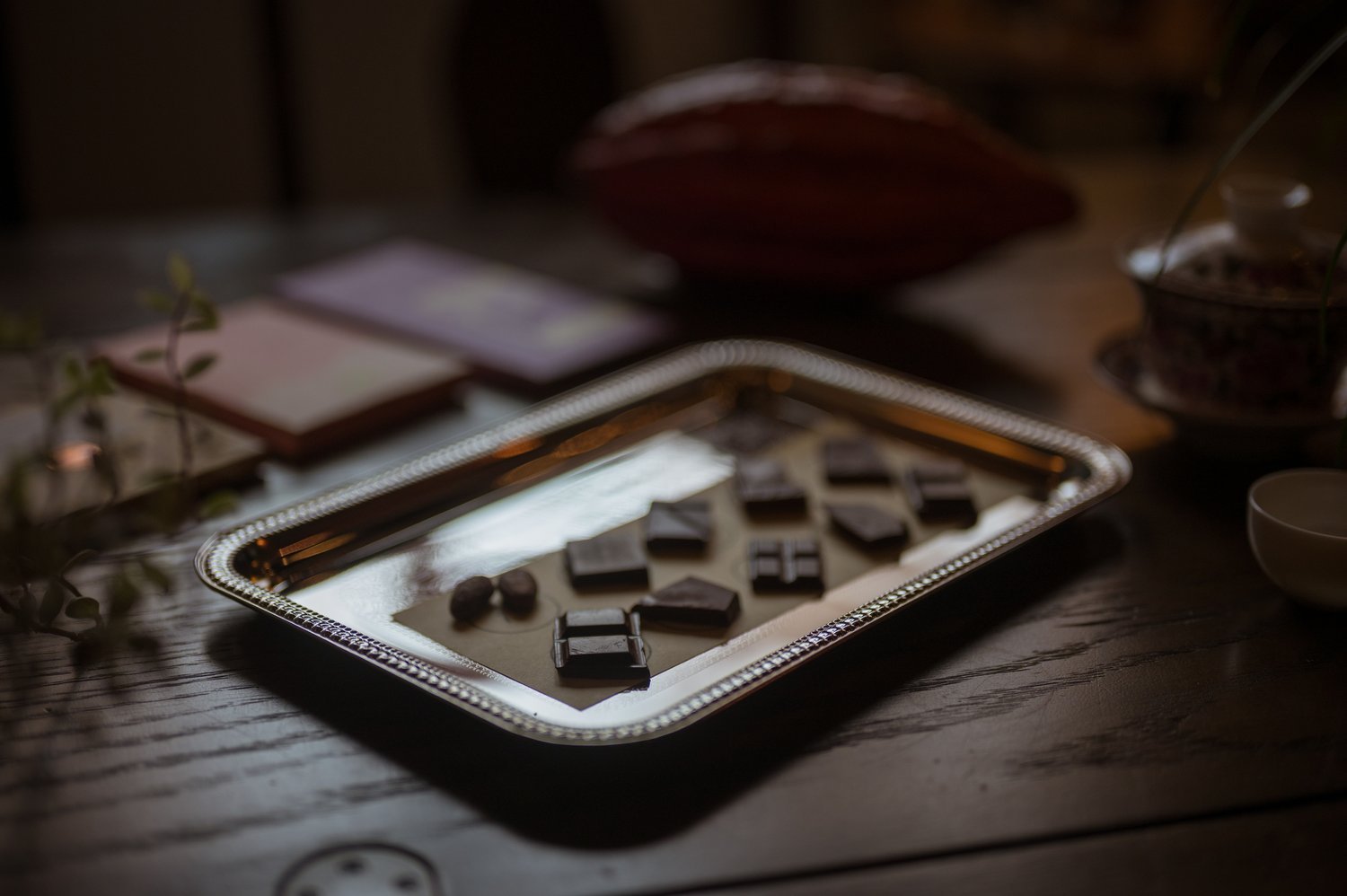
Before you understand chocolate, we should probobly define it.
Chocolate Jargon
A growing list of chocolate and cacao industry terms and jargon and their associated meanings.
Chocolate TV

Aurelien can't stay still - which is perfect if you want to get into a chocolate kitchen as multitasking is critical. Originally from Switzerland, and with a passion for the outdoors, Aurelien found home in Nelson, BC that combines all his passions. He stumbled into chocolate almost by accident, purchased a chocolateir business, and transformed it into a bean-to-bar business. Quite the feat! Watch this interview to learn about Aurelien's story and connection to the world of chocolate, challenges in the kitchen, views on chocolate making, and more. Connect at www.nelsonschocofellar.com

Rosario is a breath of fresh air to the world of bean-to-bar. A very thoughtful, warm, and passionate craft chocolate ambassador. Rosario runs The Cacau Club which retails craft chocolate and subscriptions across Europe and makes it her mission to help educate the public on all things bean-to-bar. Watch this interview to learn about what motivates Rosario, her ideas surrounding craft chocolate such as flavour suggestions, storing chocolate, other various aspects of the industry. Connect with her at www.thecacauclub.com
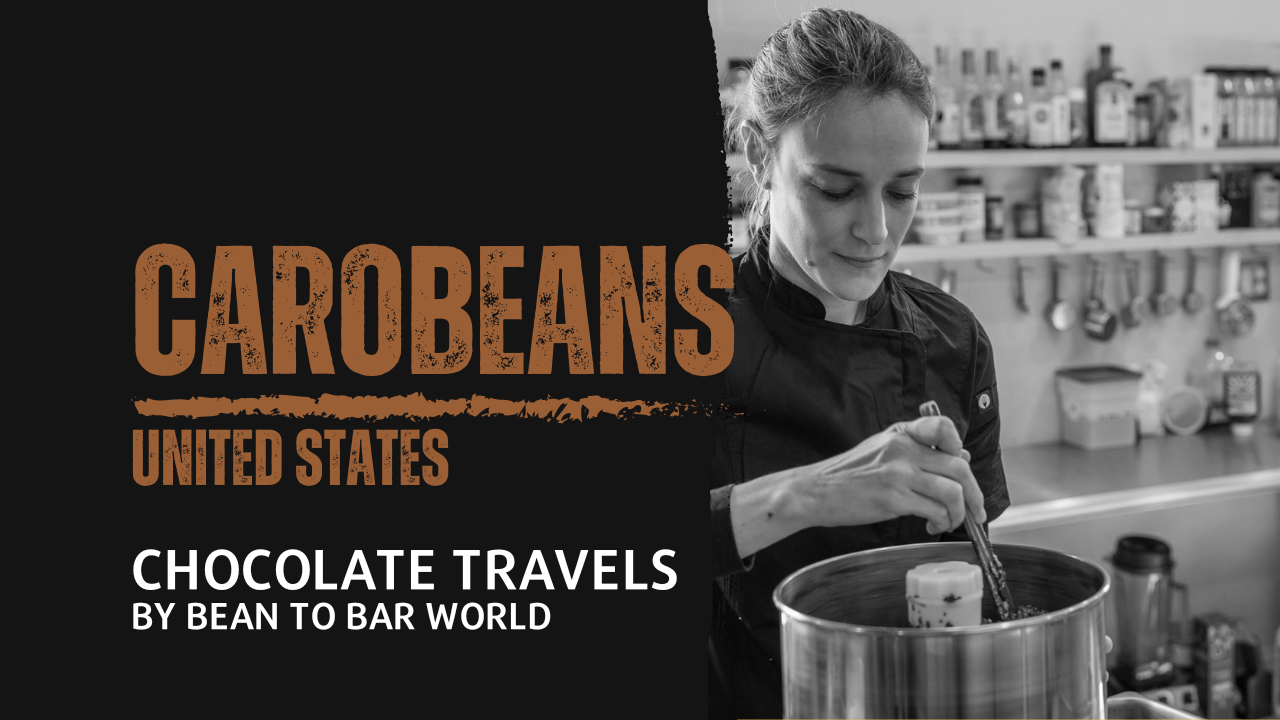
Caroline of Carobeans is new to the chocolate scene, but already crafting incredible chocolate from bean to bar (I have tried them myself!). A lovely line of single-origin, and a creative and well executed range of flavoured bars. With the desire to create from scratch, a nut allergy, mindful of ethics, and a sister in Bolivia all came together one day and making bean-to-bar chocolate is the result! Watch this interview to learn about Caroline's values, the "fun" challenges of starting off, and her views on the craft of chocolate making.

Jens fell into chocolate making by chance after deciding to shake up his life and move from Germany to the Dominican Republic. He never would have imagined he would be operating a chocolate manufacturing company on the beautiful Caribbean island. One aspect that makes Jens experience unique is he lives and works in a cacao growing region, and so has developed close relationships with the cocoa producers there. Learn about how he got started, his struggles, and what motivates him today to keep producing a line of DR craft chocolate!

Lorenzo is fountain of knowledge when it comes to manufacturing chocolate. He operates his 32 year old family business, PACKINT Chocolate Machines, in Pavia, Italy and along with a location in New York City as well. This interview was very satisfying, as it was like talking to one of my science of chocolate textbooks in the flesh. In this discussion, not only will you learn about the equipment PACKINT manufactures, but also what the difference is between much of the chocolate equipment on the market (refining vs grinding, melanger vs conche, types of ball-mills). Packint is very customer oriented, and aims to be there with their customers every step of the way. If you're a chocolate manufacturer looking to possibly size up, this is a great overview to help you decide. Or if you're a small-scale manufacture, chocolate taster, or simply love to learn about chocolate manufacturing, this conversation will be very informative.

Jessica hails from Tasmania, Australia, where she is showcasing the world of craft bean-to-bar chocolate to the locals. Through in-person tastings, pairings and online bar reviews, Jessica is keen on not only sampling the world of chocolate but sharing her passion with everyone. I've known Jessica for many years now and she's a lovely, kind, and caring craft chocolate ambassador. Here we have some fun exploring her insight into the bean-to-bar chocolate realm including how she views chocolate as a food not a snack, her approach to tasting, ways of educating the public, importance of understanding costs, supporting producers, and more.
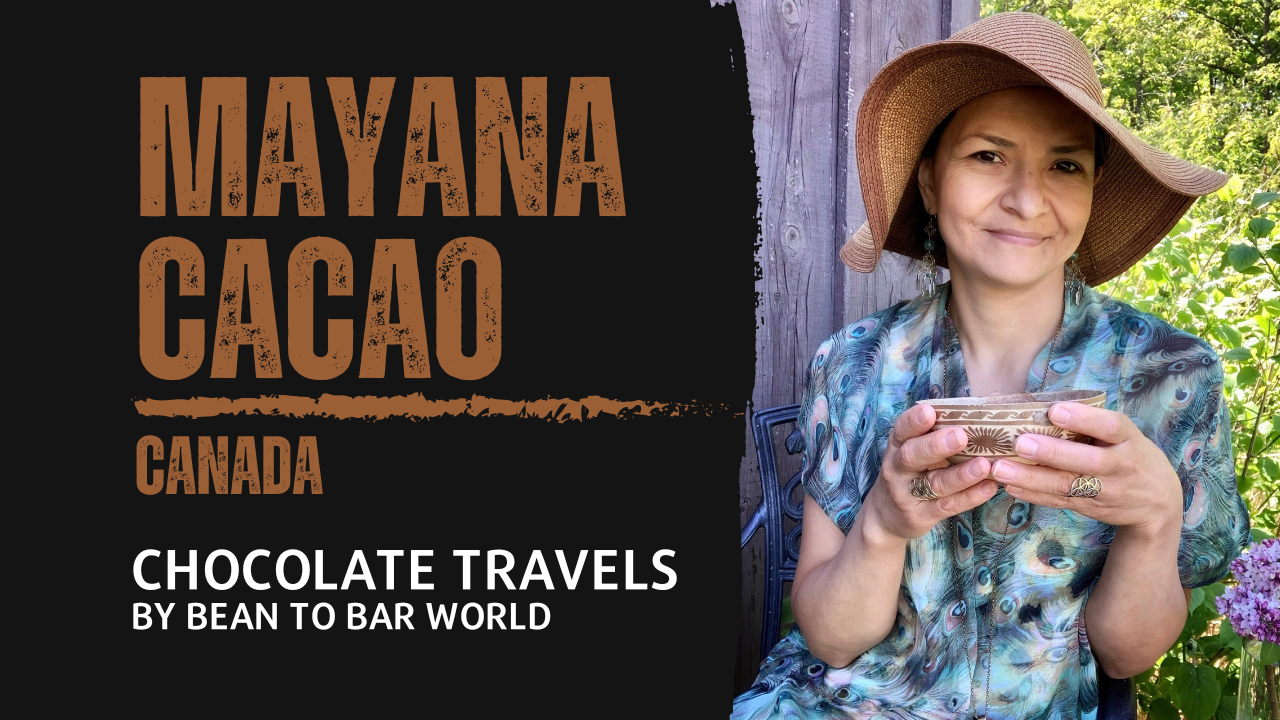
Maria grew up in Mexico, but did not know about cacao or the world of bean-to-bar until she was living in Toronto and seeking out healthier eating habits. Today she produces a line of incredible and nutritious drinking chocolate and chocolate elixirs in the beautiful area of Bruce Peninsula, Ontario, Canada. Watch this interview to hear her story, why she is passionate, and other topics including some health benefits of cacao, her work with farmers in Mexico, ceremonial cacao, and other topics. To connect with Mayana Cacao visit www.mayanacacao.ca or one of their stockists.
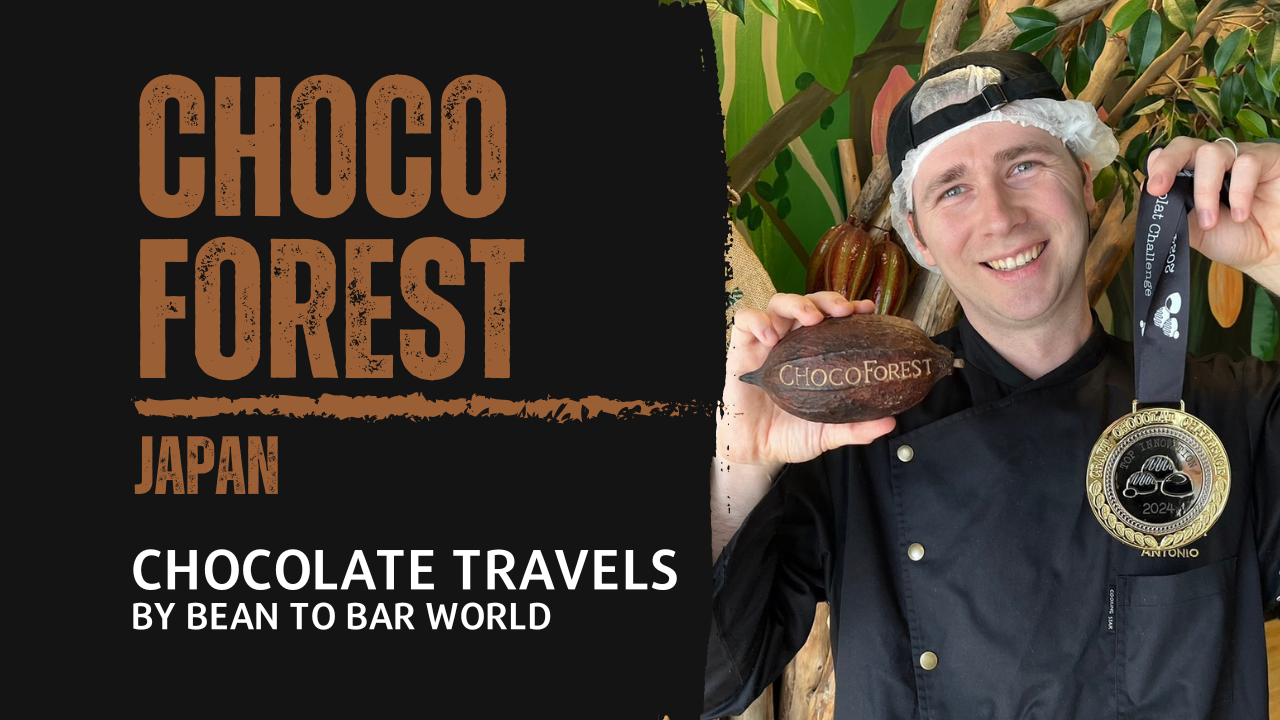
Antonio, like most bean-to-bar chocolate making had a background in something other than culinary. He worked in aerospace making parts for aircraft, but always appreciated making food. Originally from Croatia, and where he anticipated starting his business, a series of life events brought him to Osaka, Japan, where he opened Choco Forest making a range of single-origin bars, flavoured bars, along with baked goods and ice creams using his own house-made chocolate. Learn more about his story, the differences between Croatian and Japanese chocolate consumers, challenges in the industry, and some of his future ideas! To connect with Choco Forest visit www.chocoforest.jp or visit them if you are in Osaka!
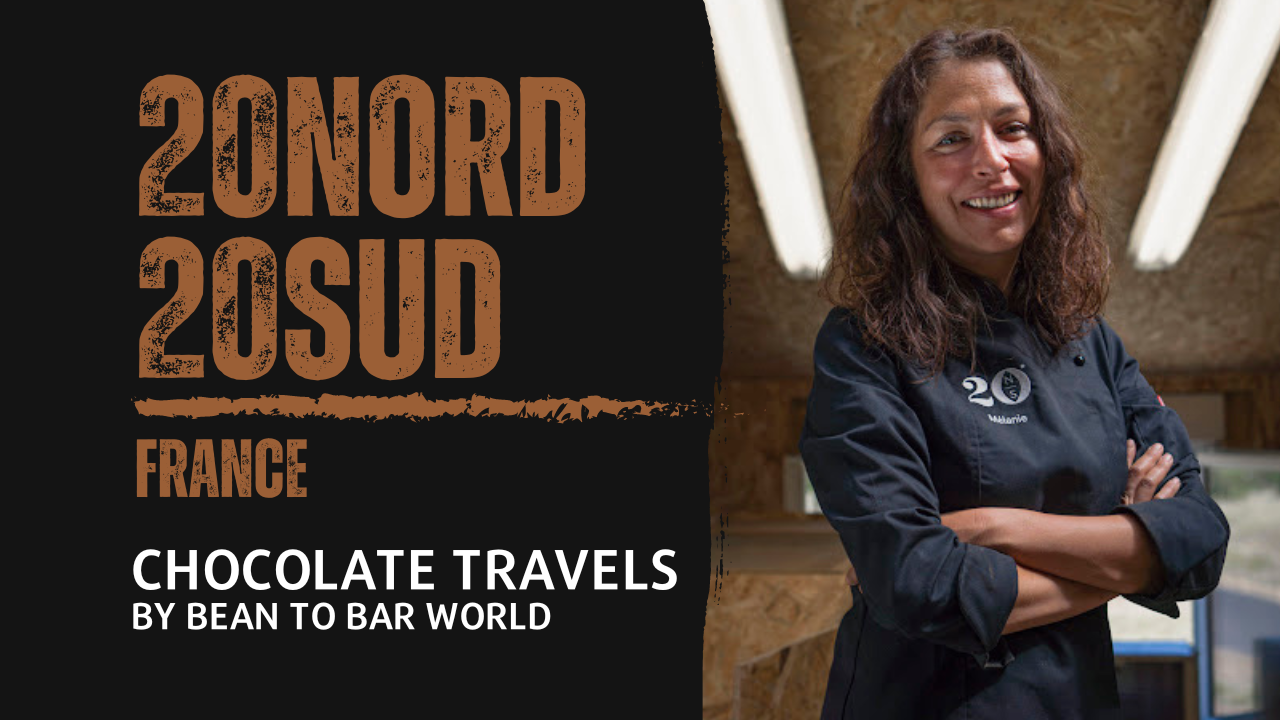
Melanie didn't like chocolate. Now she loves it! She loves it so much she decided to create a business and dedicate her life to the craft of bean-to-bar chocolate making and chocolate education. Watch as we discuss what inspired her to delve into chocolate making, competing with long-time French brands, single origin chocolate drinks, mousse, and brownies, and ways we can grow the world of bean-to-bar chocolate. To connect with 20nord20sud visit www.20nord20sud.com or visit in person!
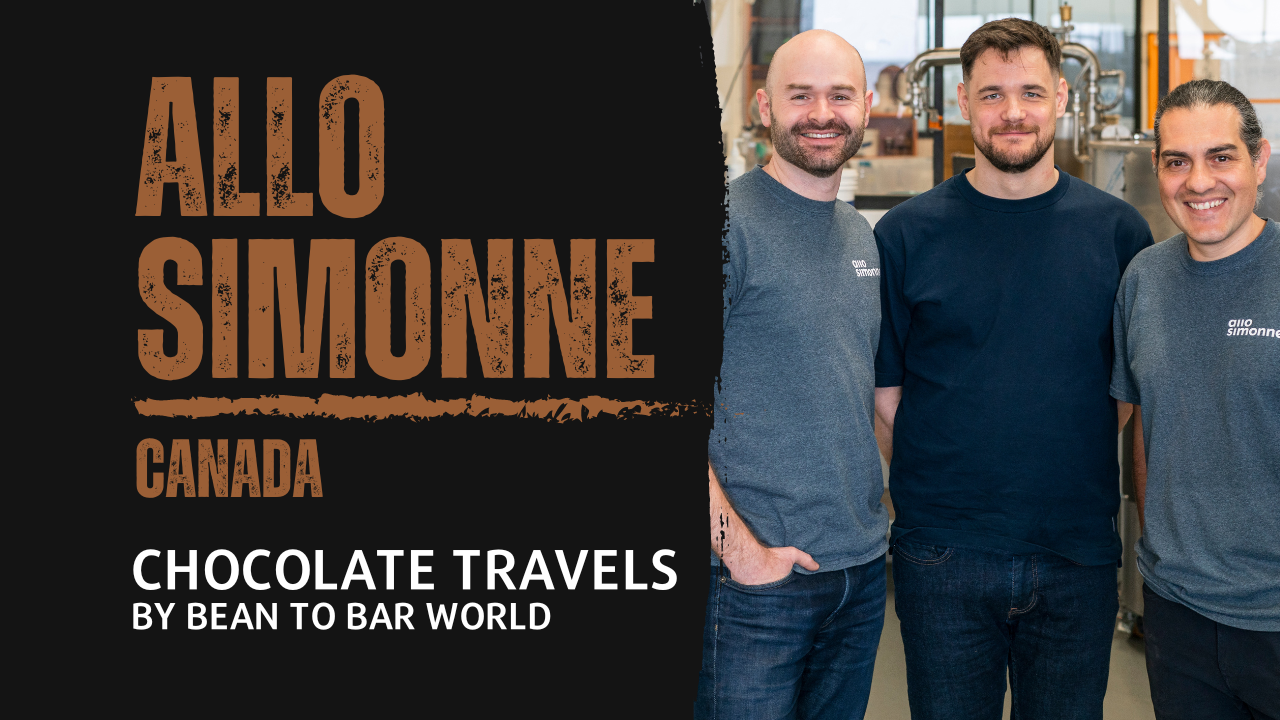
When Quentin brought his chocolate skills from Belgium to Canada, he was also searching for incredible gianduja. Unable to find what he was looking for, he decided to make his own, which quickly became one of the best gianduja's in the world. Not only is the flavour incredible, the ingredients are simple, pure, and vegan yet milky thanks to the addition of Jaguar beans. Learn about the story of how Quentin and Vincent started this bean-to-bar business, and the incredible work Fernando from Mexico brought as he joined the team. We discuss issues surrounding Jaguar beans (Theobroma bicolor), challenges, educating customers, environmental consciousness, and how Canadian chocolate can be better than Belgian chocolate. To connect with Allo Simonne, visit www.allosimonne.com to purchase bars and learn more.
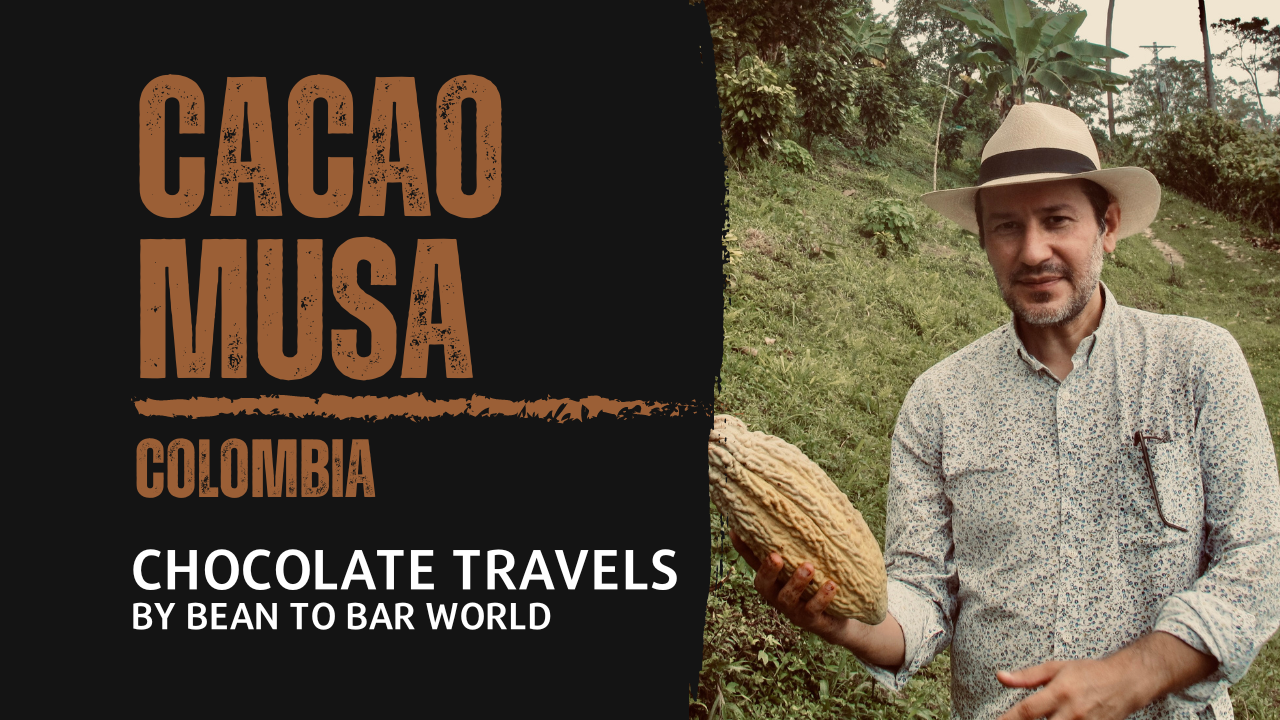
With roots in Colombia and a family business exporting Colombian food products, a visit with his family to a Swiss chocolate maker got them thinking about Colombian cacao. Cacao Musa now distributes fine Colombian cacao and tries to educate chocolate makers about the diversity in flavour Colombian cacao has to offer. We discuss topics such as impacts on cacao farmers, ethical and mindful business practises, cacao genetics, and the overlooked yet important cultural aspect of cacao and the stories connected with those who produce it. To connect with Cacao Musa, visit www.cacaomusa.com to learn more and purchase their range of fine quality and ethically sourced Colombian cacao.
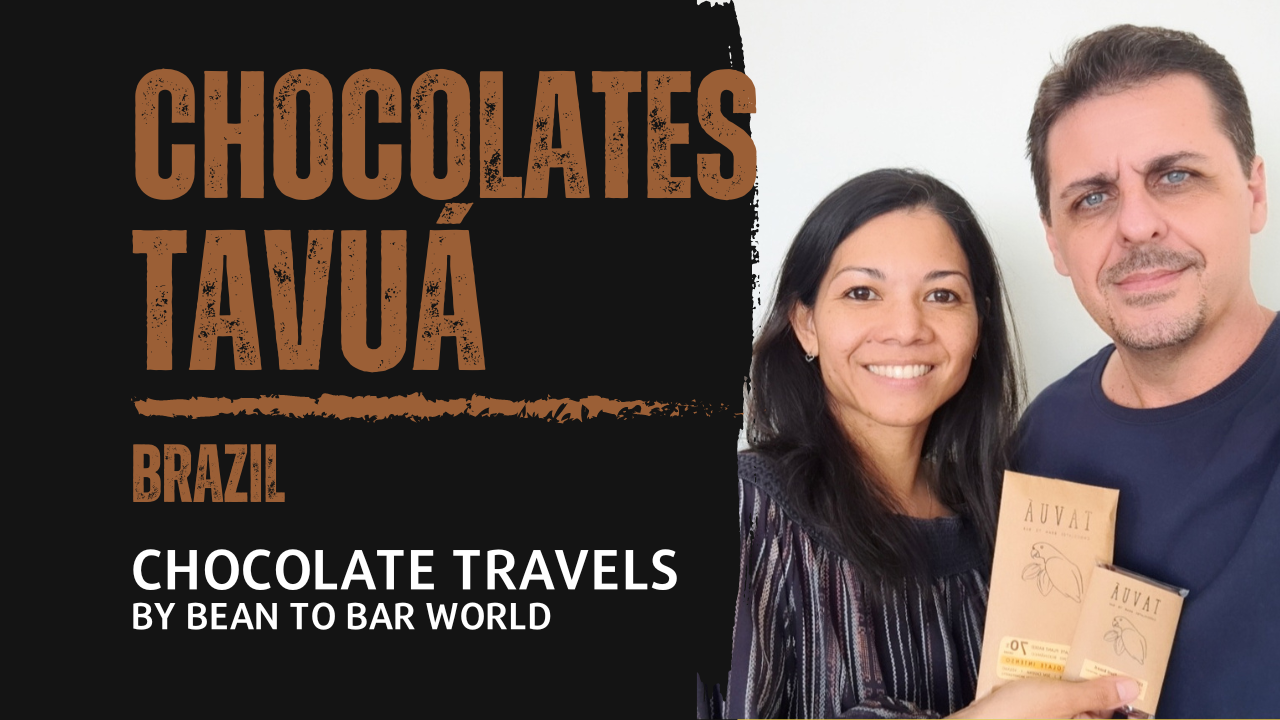
The bean-to-bar chocolate scene is booming In Brazil. Learn about how Erica and Nelson started their own part-time business making chocolate with local Brazilian cacao using only real nutritious ingredients. From Erica's desire to make healthy foods from scratch, and Nelsons love for biology and birds, listen to their story and why they're so passionate about Brazilian made chocolate. We discuss topics such as the views of Brazilians towards high quality craft chocolate, different types of sugars and sweeteners in chocolate, challenges in chocolate making, and more. To connect with Chocolates Tavua, visit www.instagram.com/chocolates_tavua/ to purchase chocolate and stay in touch.
Learn about what happens behind the scenes, or between the scenes, in the bean-to-bar chocolate world. Although it would be idea if every maker could travel the world and directly source their cacao, for many that is not possible. This is where incredible people, such as Albert, have created a business which provides cocoa farmers buys, and provides incredible high quality flavourful cacao to passionate chocolate makers looking for quality and ethically sourced cocoa beans.
To connect with Crafting Markets, visit www.craftingmarkets.com and start sourcing quality ethically sourced cocoa beans.
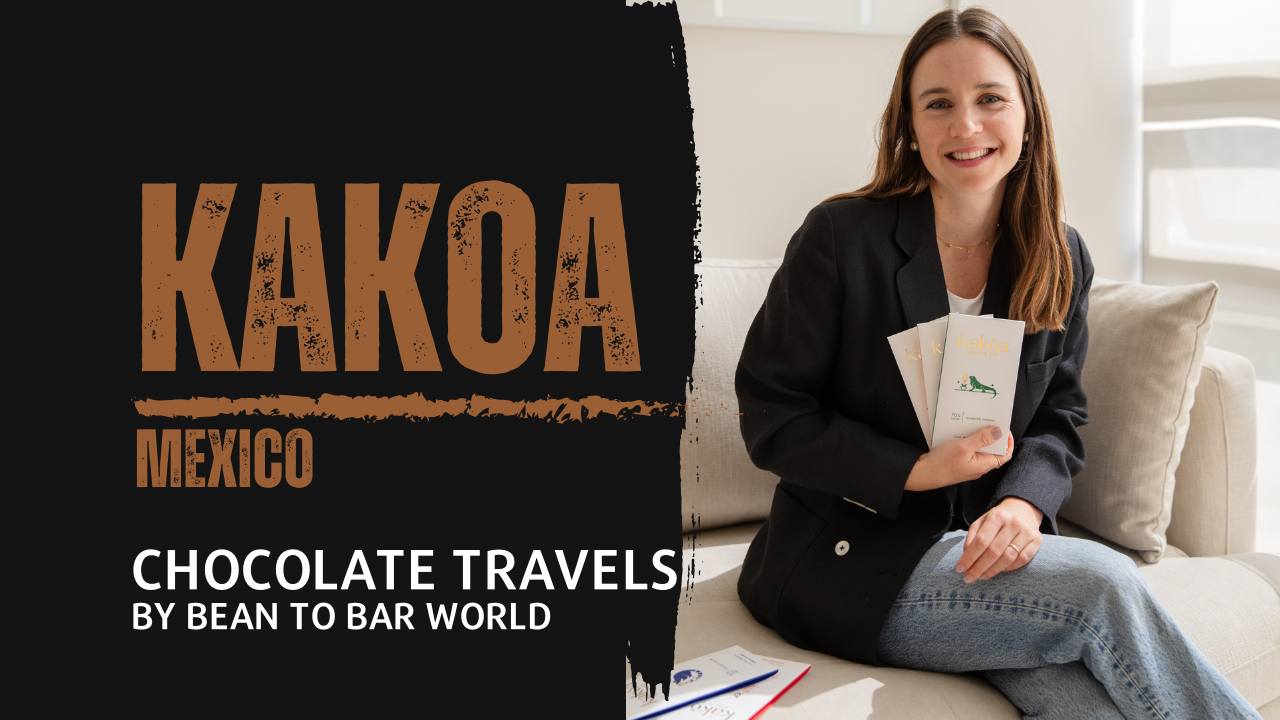
Some children want to grow up to to be astronauts. Others wish to be doctors or firefighters. Maria wanted to be a chocolate maker! As she grew up she went into more practical career paths such as marketing, but upon stumbling on the bean-to-bar movement online, her passion for chocolate was reignited, and this time she knew she could do it! Maria makes bean-to-bar chocolate in Mexico City using cacao from various farmers in Chiapas. Even within the small region of Chiapas there is so much variation in cacao flavour, which is preserved in the vibrant chocolate she makes. Listen to her story, ideas about cacao and chocolate in Mexico today, and much more!
To connect with Kakoa, visit them on Instagram @kakoa.beantobar or at their website www.kakoa.com.mx
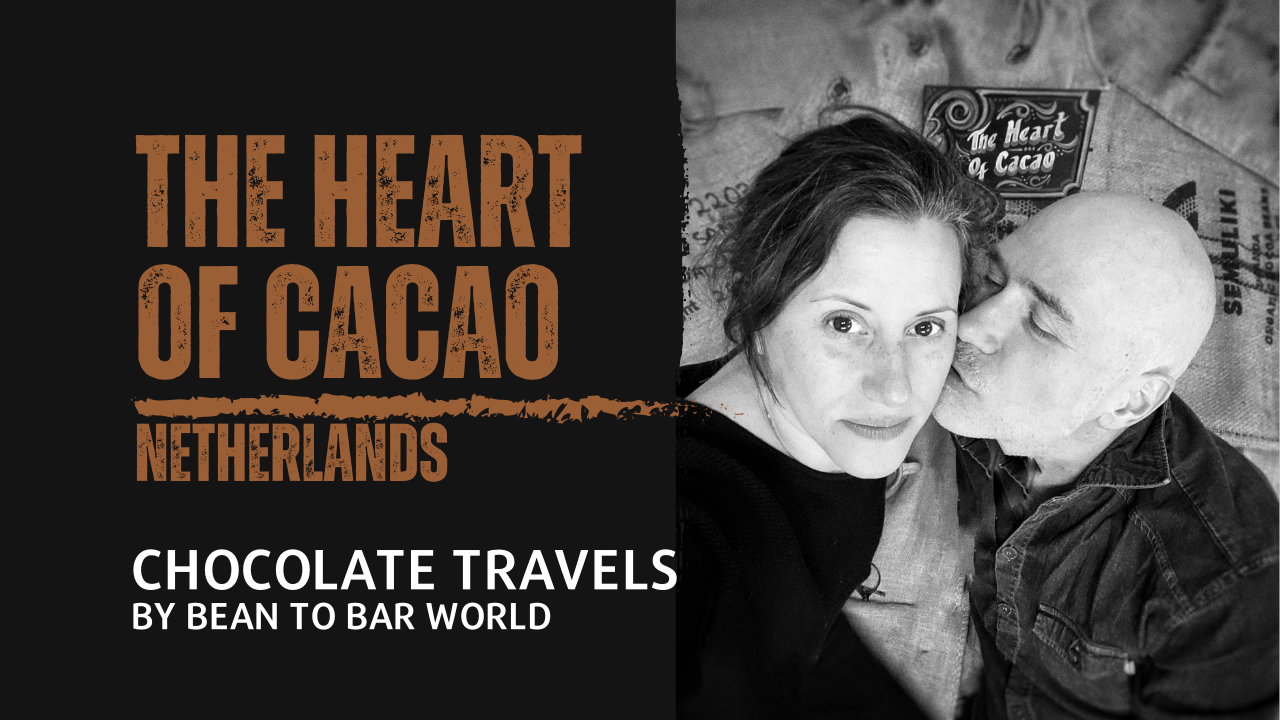
The landscape of chocolate is constantly changing with new makers popping up all around the world. And with this coms new views on chocolate and new ways of making chocolate. I chat with Laila and Shanour from Amsterdam, Netherlands, who got into chocolate via the raw chocolate movement. We discuss topics such as their story entering into chocolate, ceremonial chocolate, artisanal chocolate, and raw chocolate, drinking chocolate, chocolate and nutrition, and much more.
If you wish to connect with The Heart Of Cacao, you can follow them on Instagram @theheartofcacao

Arthur visited a chocolate factory in Switzerland which ignited his passion to make chocolate himself back in São Paulo, Brazil. He then came across an article about Luisa Abram making chocolate in Brazil, and that gave him the confidence to start a journey to create his own bean-to-bar brand made with local Brazilian cacao.
To connect with Chocolates La Greno, visit https://www.lagreno.com.br/
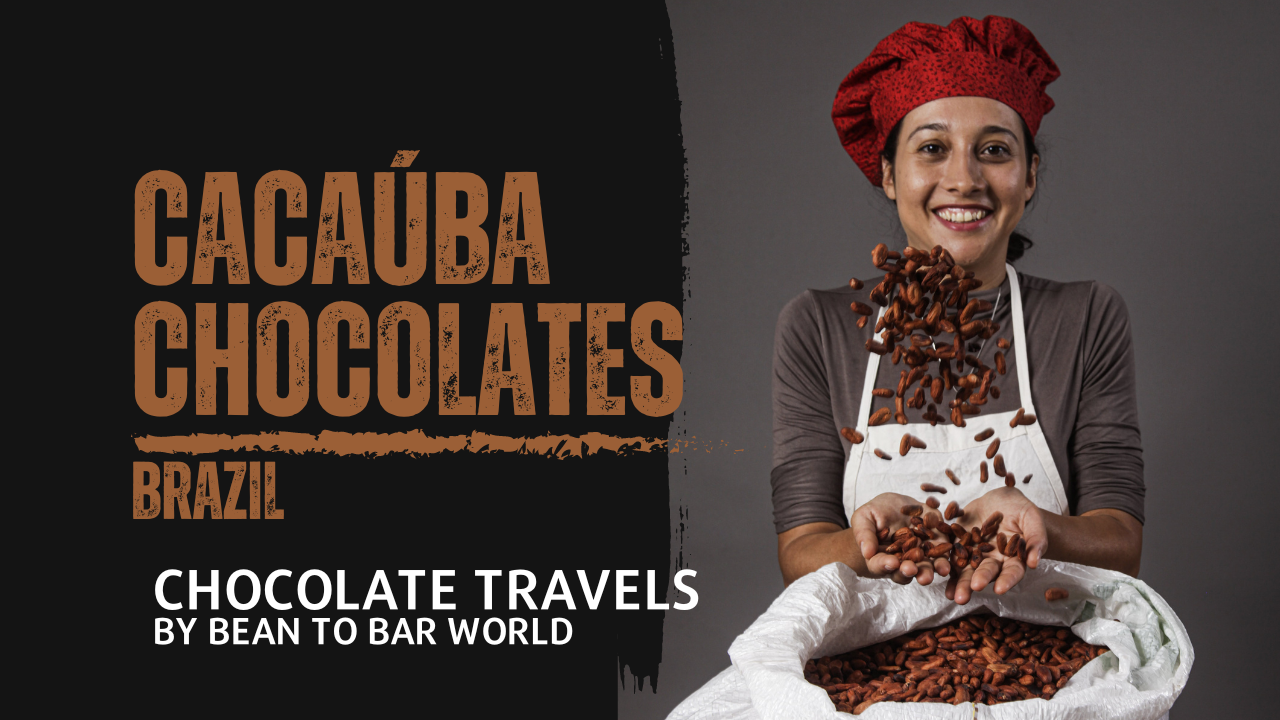
Sabina studied forestry, and while living in the Amazon noticed a cacao tree in her backyard. Being the inquisitive person she is, she figured out how to ferment and grind that cacao into chocolate. Initially a flavour failure (there's more to fermentation than you may think), but from there grew a strong desire to create a business making chocolate using high quality organic Brazilian cacao. Learn about her journey to starting a bean-to-bar chocolate making business.
To learn more and connect with Cacaúba visit www.instagram.com/cacauba.chocolate
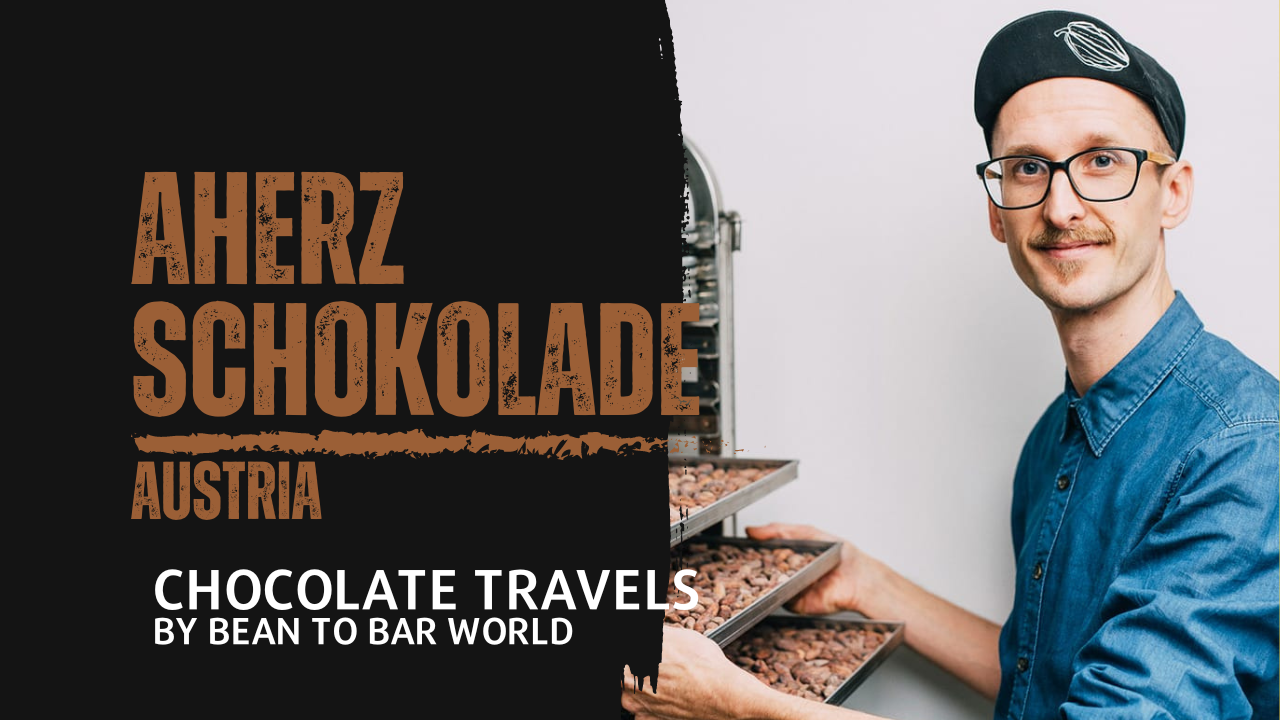
With a background in renewable energy and a vision to travel South America, obviously the outcome would be a bean-to-bar chocolate maker! Well, maybe not obviously, but for Michi of AHERZ Schokolade in Austria, that was the just of it. Learn about the details of his backstory, collaborating as a way to start, and taking his time to grow organically. A key to success is being open and working together with others with the same mindset. We also delve into aspects of the trade, biodegradable chocolate packaging, chocolate education, drinking chocolate revival, and more.
Connect with Aherz Schokolade at www.aherz.at or visit him in person just outside of Vienna, Austria for tastings, workshops, or to just chat chocolate.
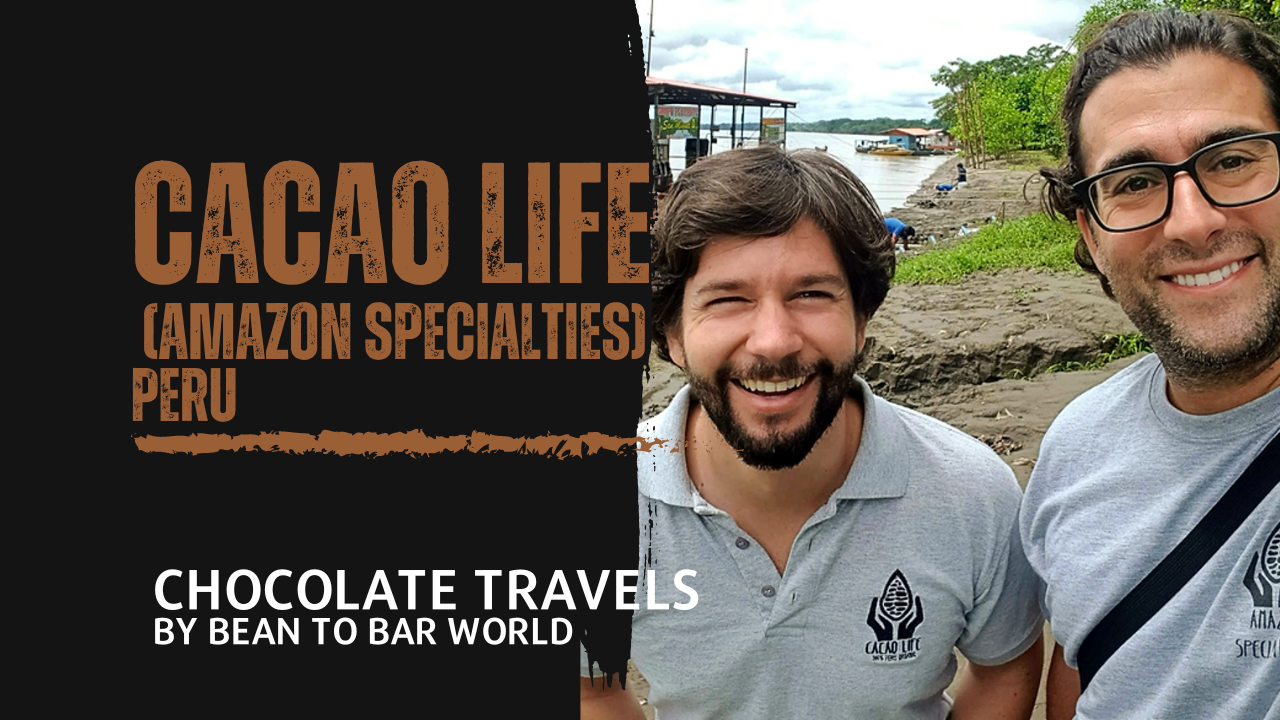
Buckle down because this is a long interview with a lot to digest! Aurelio and Marco are two passionate and intelligent friends who have joined forces to better communities in Peru and educate Peruvians from Lima to the Amazon to make their own chocolate, improve cacao production, and much more. Grab yourself a couple of your favourite single-origin bars, sit back, and enjoy this conversation on cacao and bean-to-bar which meanders as much as the rivers of the Amazon basin. They discuss ideas around the history and geography of Peru and how it relates to cacao, Fairtrade cacao, genetic diversity of Peruvian cacao, Marañón, Incas, cacao conservation, empowering more people to make their own chocolate, and much more!
Amazon Specialties is their main company which you can connect with if you are a chocolate maker. Cacao Life is their product line of incredible cacao, nibs, and Peruvian-origin cacao products (cocoa butter, cocoa powder, nibs, etc.) accessible to the public in Canada, USA, Peru, and beyond.
To connect with them, visit www.cacaolife.com or www.cacaolife.pe
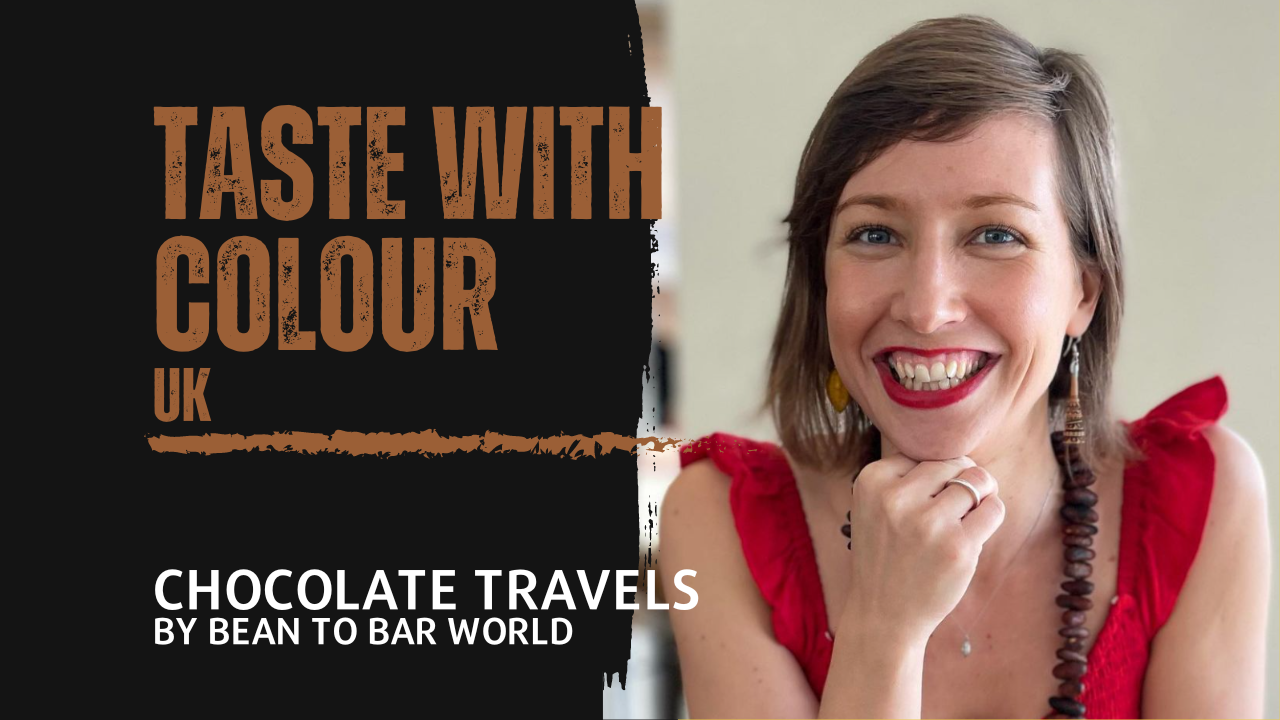
If you've been part of the bean-to-bar world, you likely have come across or seen the Taste With Colour prints at various workshops and chocolate maker tasting rooms. Here I discuss with Hazel Lee why she deviated from the more traditional flavour wheel, and what makes her tasting tool so unique. We also have great fun delving into popular topics surrounding chocolate and the bean-to-bar sector such as science behind colour and flavour, ethics, industrial vs fine, raw chocolate, and much more!
To connect with Taste With Colour, visit www.tastewithcolour.com and check out the wonderful tasting tools and beautiful prints created by Hazel herself.
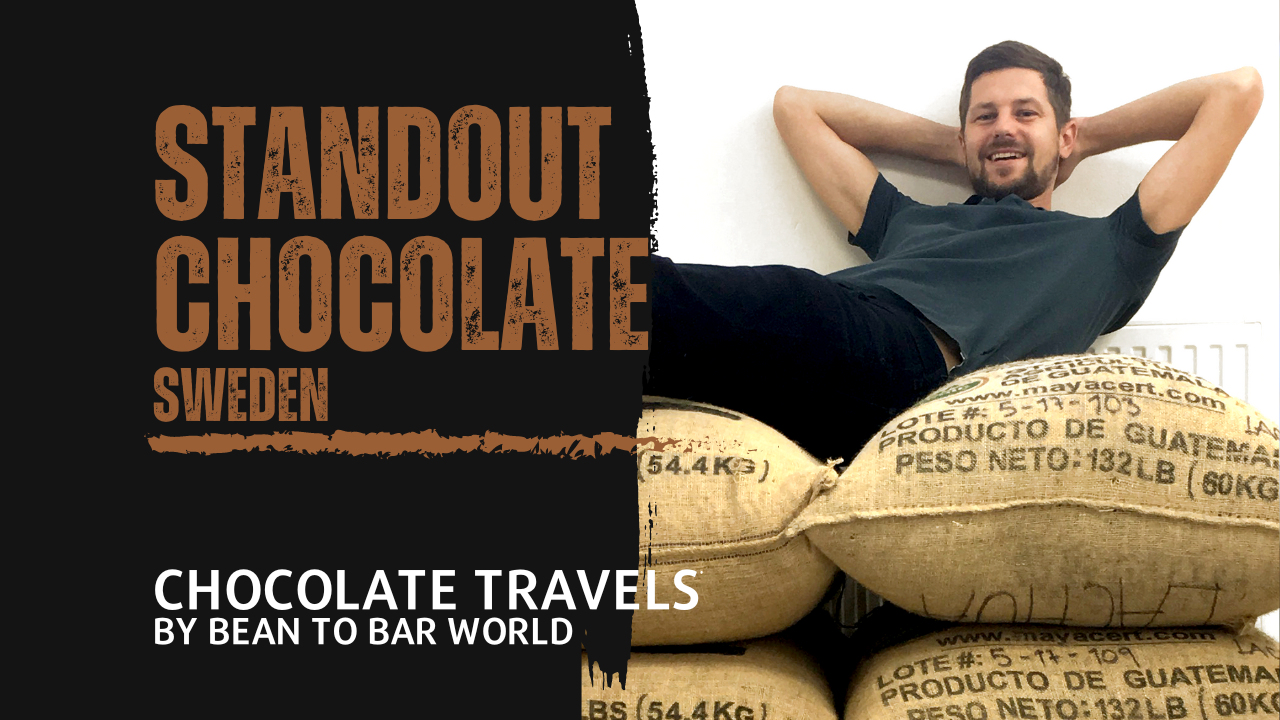
Flavour that truly stands out, hence the name. Fredrik, who has a passion for entrepreneurship, started a curated fine coffee businesses while working full time in the automotive industry. From this side hustle grew a fascination with fine chocolate, and eventually decided to take the plunge into making chocolate full time. Inspired by what other European bean-to-bar makers were doing, Fredrik wanted to create his own brand with a focus on flavour first, along with other important factors such as traceable cacao and environmental packaging. Watch this video to learn about his story and some fun facets of the bean-to-bar industry.
To connect with Standout Chocolate, visit www.standoutchocolate.com
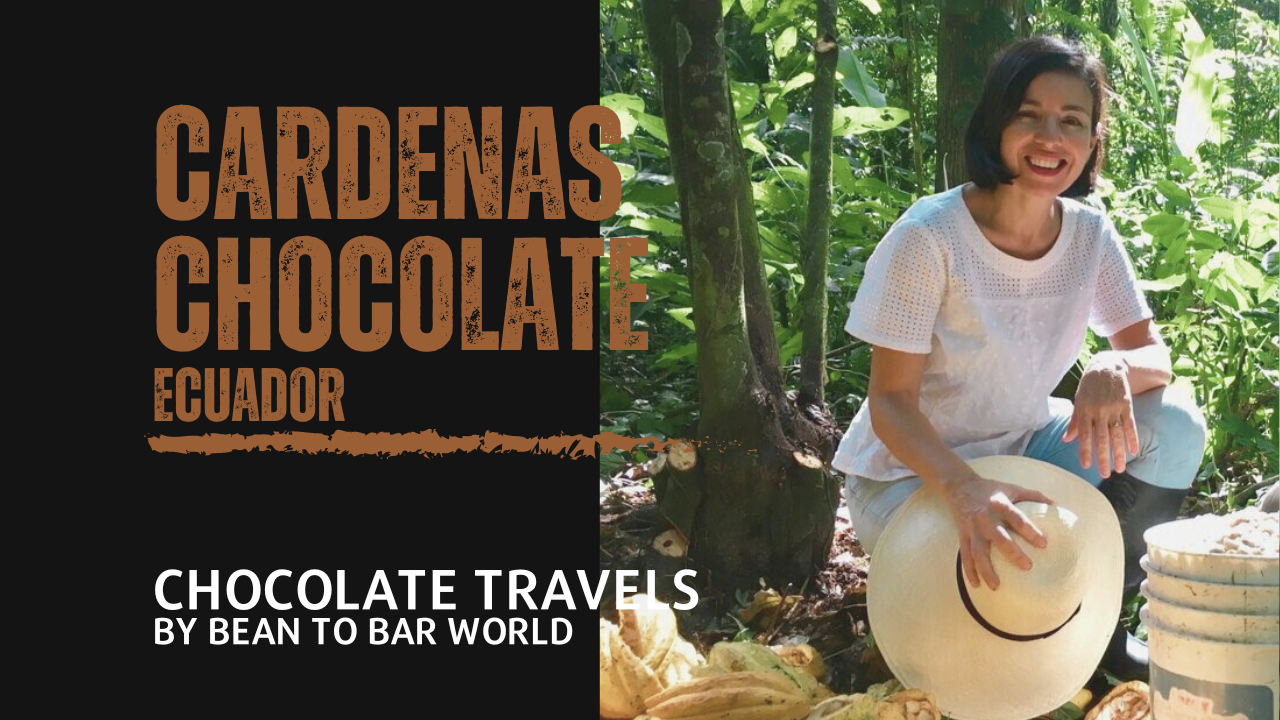
Cardenas Chocolate is about more than making bean-to-bar chocolate in Ecuador. It's about innovation: improving the quality of the cacao in the region, creating jobs and added value at origin, reviving a history, and challenging the way things are done in regards to chocolate manufacturing and trade. In Manabi, also known as Tierra Hermosa (Beautiful Land), Susana and her team have been dedicated to showcasing and sharing the authenticity Ecuadorian cacao, and making chocolate locally. Why? Watch and find out why Susana is so passionate about this venture, and what it means to other small cacao growing communities in many parts of the world.
To connect with Cardenas Chocolate, visit www.cardenaschocolate.com
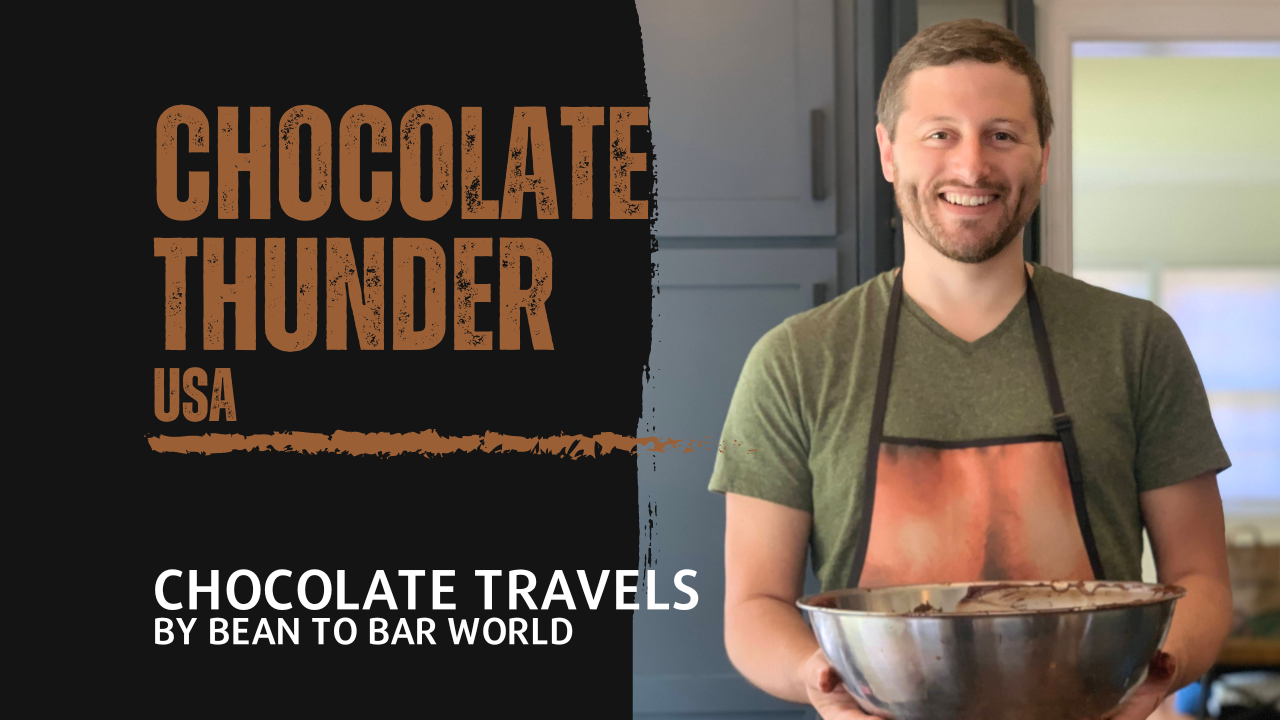
In Kalamazoo there's a chocolate maker waiting for you. Chocolate Thunder is a bean-to-bar maker based in Kalamazoo, Michigan, USA. Learn about the hard work involved in making high-quality and ethical chocolate, what makes it different from your Lindt or Hershey bar, and other very interesting facts about the chocolate making world. How important is sugar in chocolate, and how can the bean-to-bar world create a symbiotic relationship with coffee shops? Watch and find out.
To connect with Chocolate Thunder, visit www.chocolatethunder.us
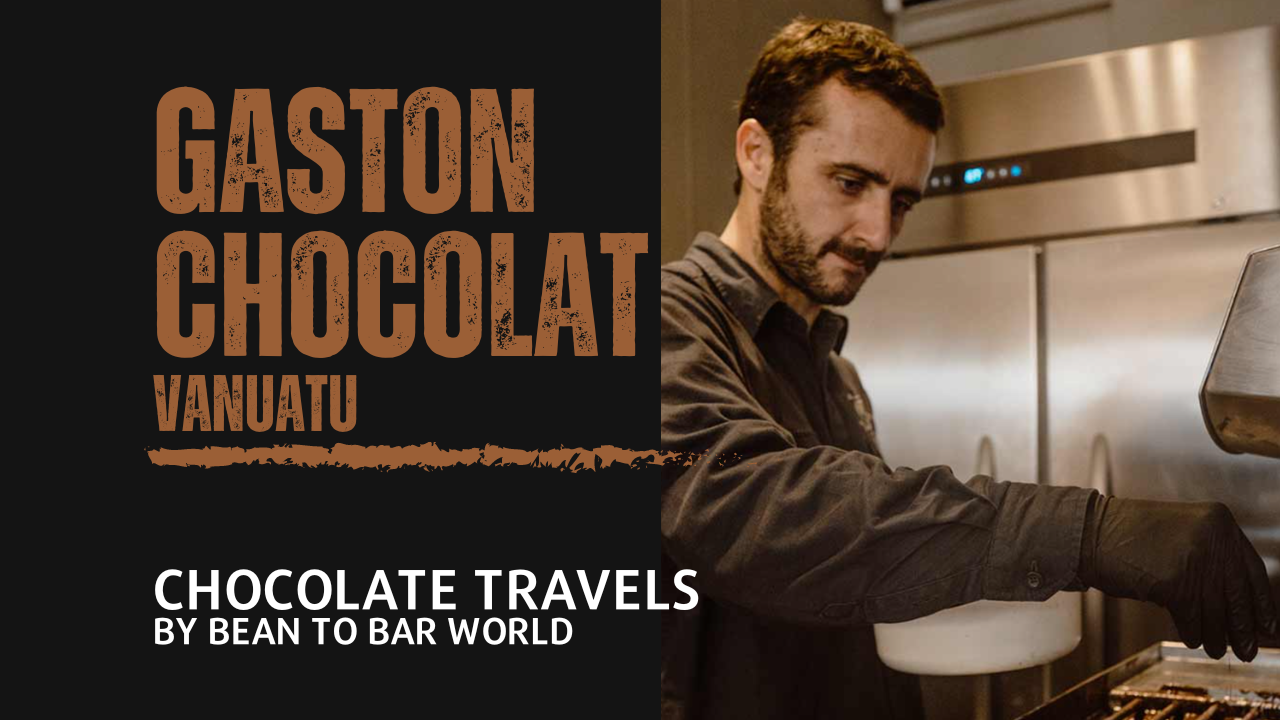
You've heard about the Wild West, but here Olivier tells us about the Wild South Pacific. Growing cacao is hard work as it is, not to mention the constant threat of earthquakes and hurricanes coming and going over the islands of Vanuatu. Learn about the incredible work of this tree-to-bar chocolate maker based in Port Vila, Vanuatu. The impact on cacao farmers in the region, and some insight into ethics and sustainability.
To connect with Gaston Chocolat, visit www.gastonchocolat.com
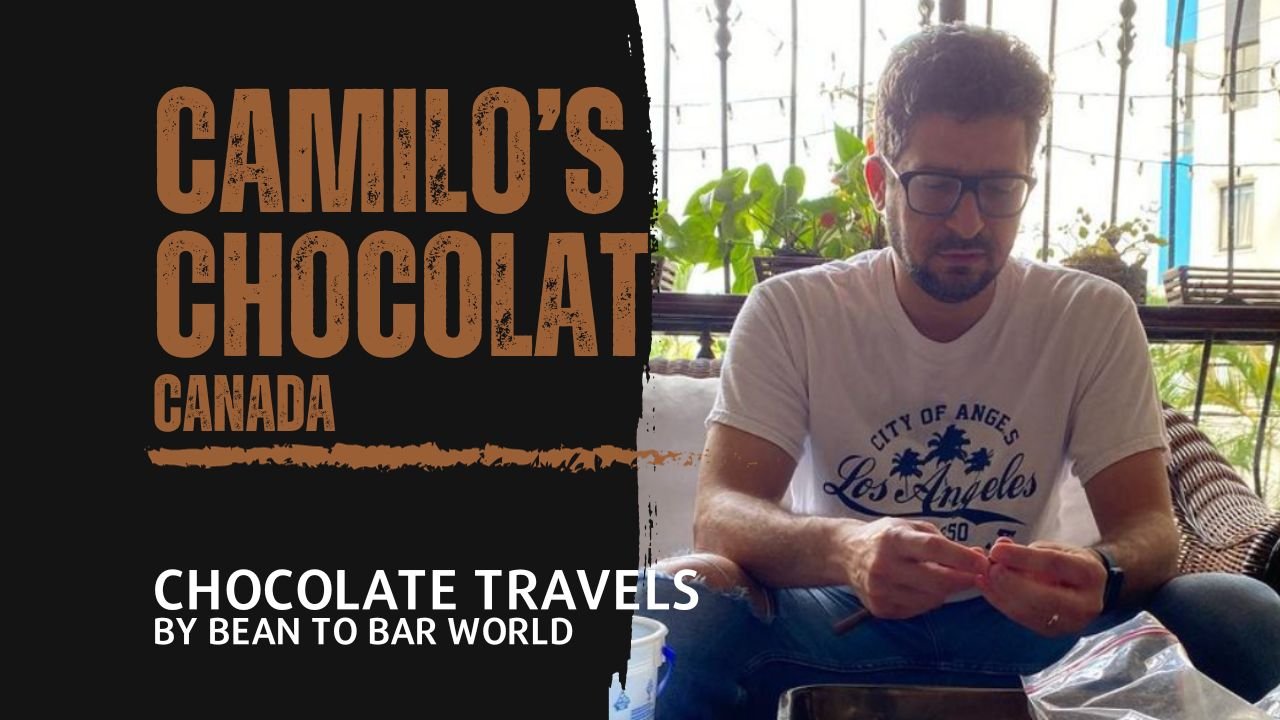
From growing cocoa as a boy in the Dominican Republic, to becoming a bean-to-bar chocolate maker in Montreal. Learn about José's journey, challenges making and selling craft chocolate today, and some ideas about fine chocolate education and more.
To connect with Camilo's Chocolat, visit www.camiloschocolate.ca
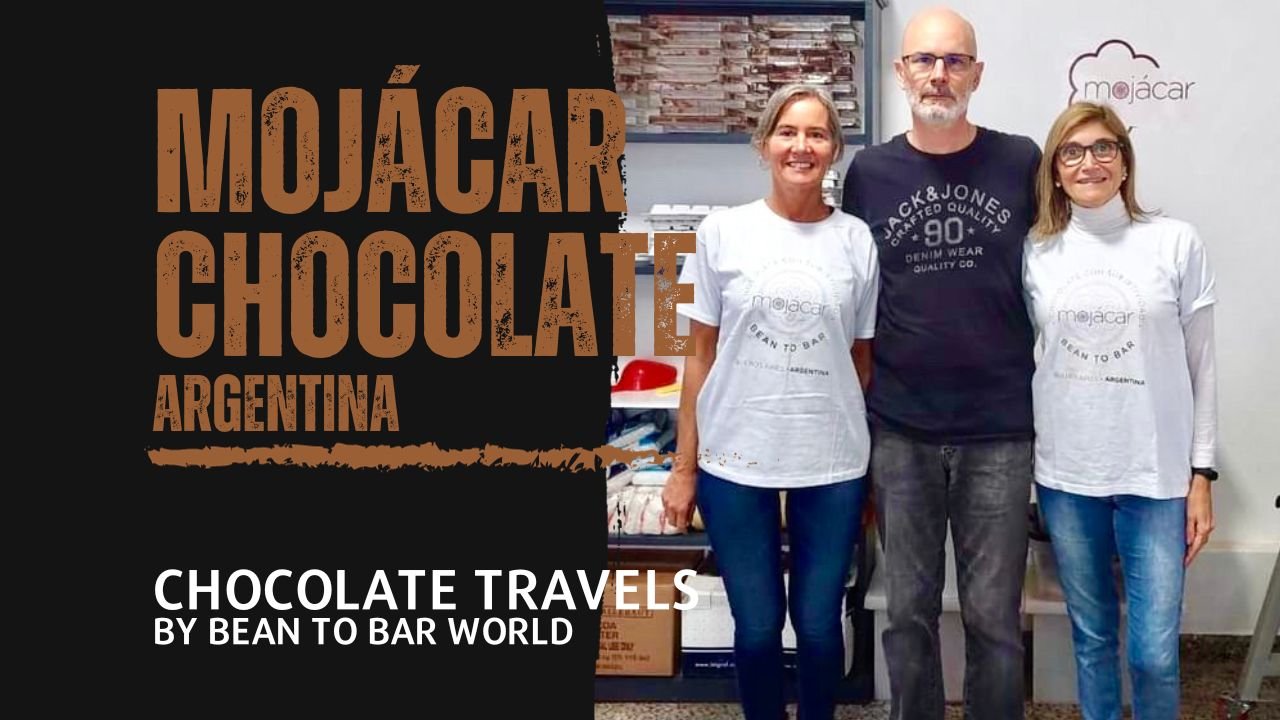
A discussion with Javier about the bean-to-bar chocolate business he started with his wife and sister Based in Argentina, Mojácar Chocolate produces fine dark chocolate with the goal of using incredible fine cacao, and showcasing the unique flavour of the bean much as one would showcase the qualities of a fine red wine. We discuss how they started out, the challenges faced making chocolate in Argentina, the benefits of pairing chocolate, among other ideas.
If you wish to connect with Mojácar visit www.mojacarchocolate.com.ar or on Instagram @mojacarchocolate
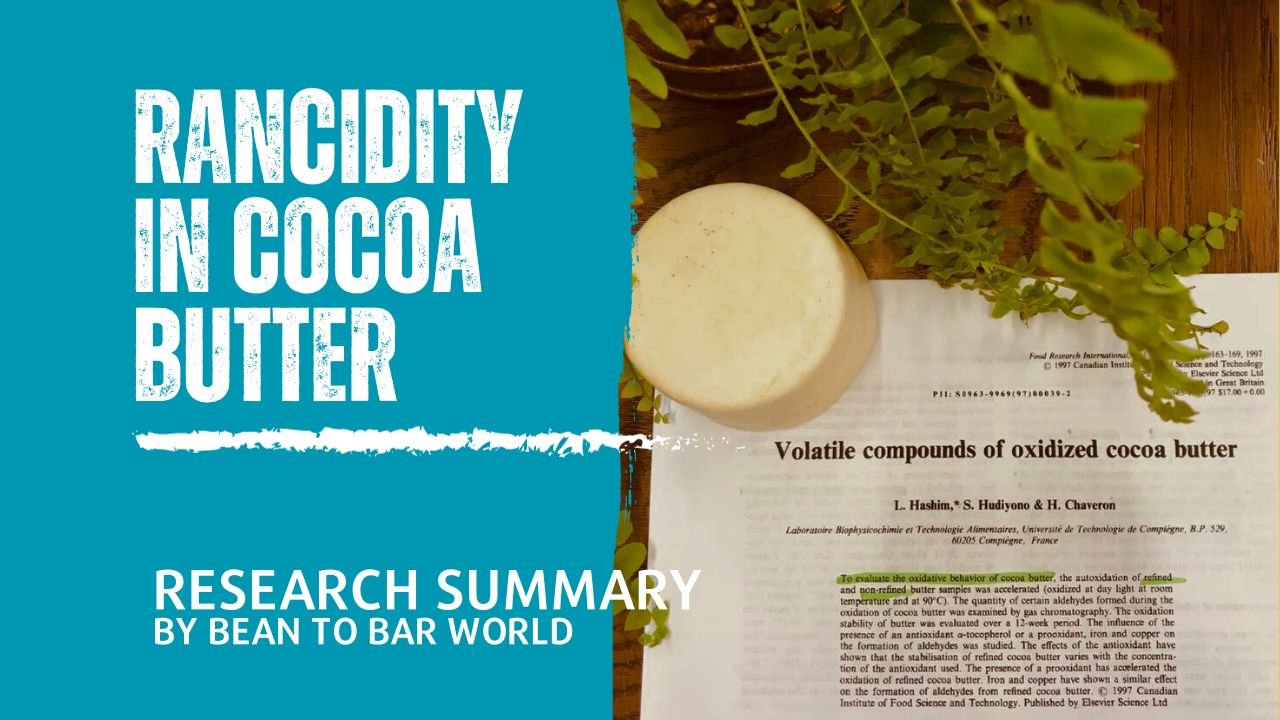
Does cocoa butter go rancid? Can you taste rancidity in your single-origin dark chocolate bars? Both great questions. In this video I review a research article entitled "Volatile Compounds Of Oxides Cocoa Butter".
I came across an Instagram story that referenced an article which referenced this research paper.
I don't feel the article really answered those questions in the best way possible, and also didn't really give the best representation of the research that was referenced. In this video I will go through the main points of the research paper with you, and offer some of my insight into whether your fine chocolate bars can go rancid.
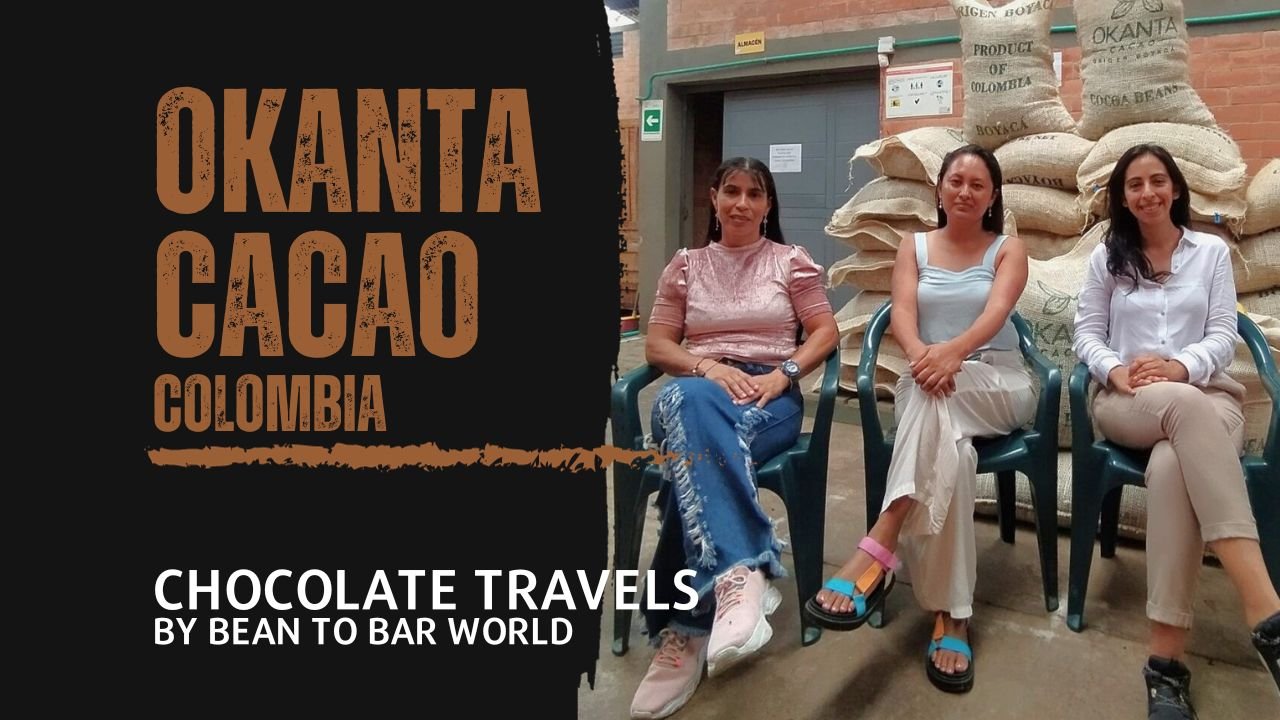
A very informative and interesting conversation with members of Okanta Cacao: Génesis Carrillo, Anyi Gonzalez, and Silvia Bernal. They discuss their joint venture with cacao farmers in Colombia and their model of processing fine quality cacao in a manner which benefits both farmers and makers. Learn about how this operation works, the challenges they face, and some ideas surrounding fine cacao and chocolate.
To connect with Okanta Cacao, visit their website www.okantacacao.com or on Instagram @okantacacao
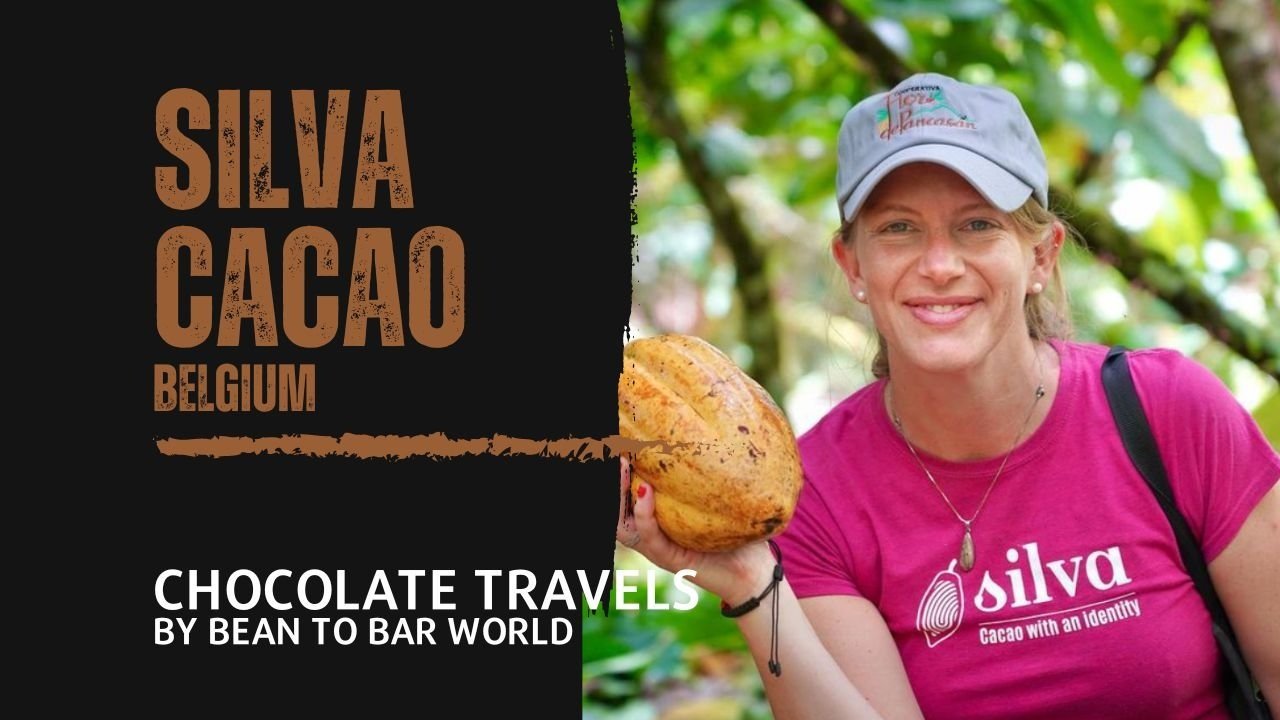
An informative interview with Katrien from Silva Cacao, a cacao sourcing company based in Belgium. We go over many important aspects of the cacao/chocolate supply chain, topics related to chocolate education, labour practices, and all about the wonderful work Silva Cacao is doing to help growers and help makers source the best cacao in the world for their chocolate.
To connect with Silva, visit www.silva-cacao.com or follow them on Instagram @silva-cacao
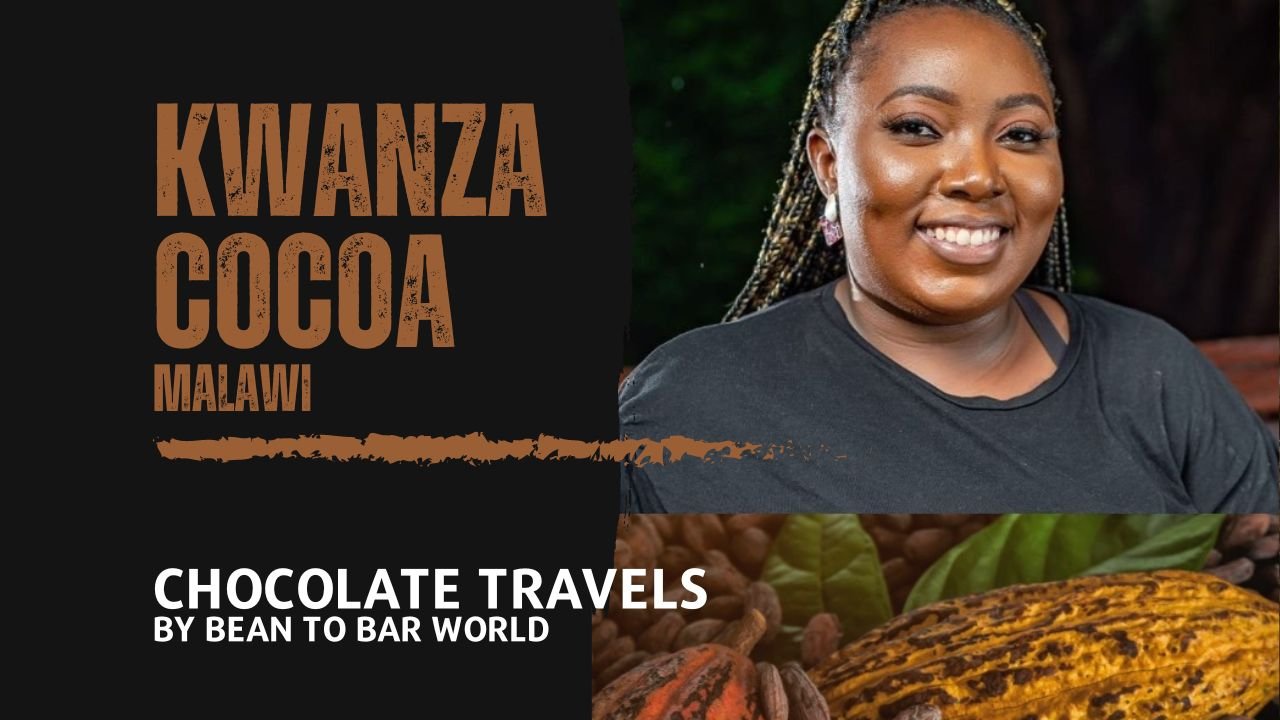
Meet Wezi from Kwanza Cocoa, bean-to-bar chocolate maker in Malawi. Hold on, actually, Wezi also grows cacao in Malawi as well, so really Kwanza Cocoa is also a tree-to-bar chocolate maker. Learn about the series of events which lead Wezi to start this business, what she learned along the way, and exciting plans for the future of Kwanza Cocoa.
To connect with Kwanza Cocoa, visit www.kwanzacocoa.com or @kwanzacocoa on Instagram
Facts, FAQs, & Research Blog
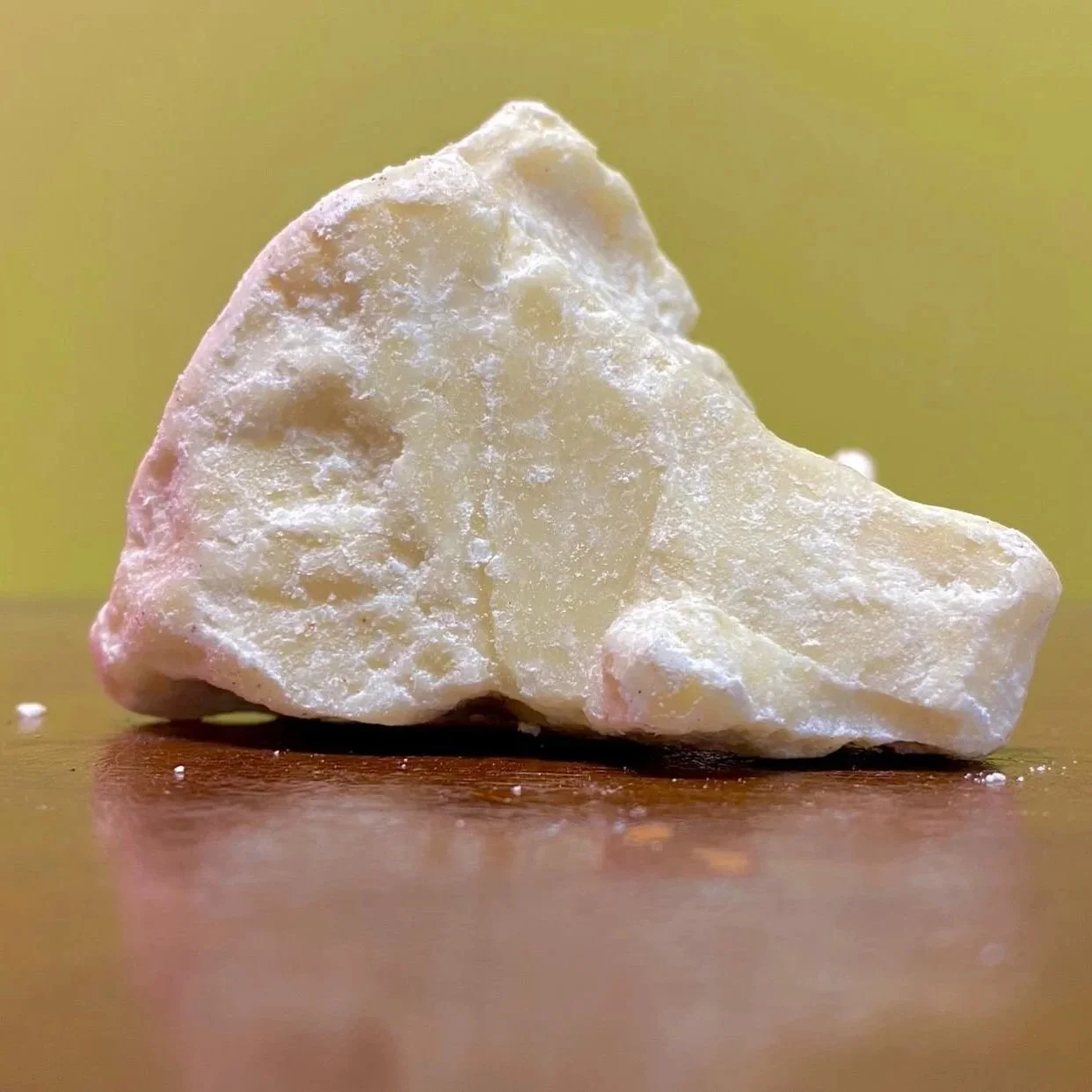
Cocoa butter fatty acid content and profile from Peruvian cocoa beans and impact of genetics, growing conditions, and altitude on fatty acid profile
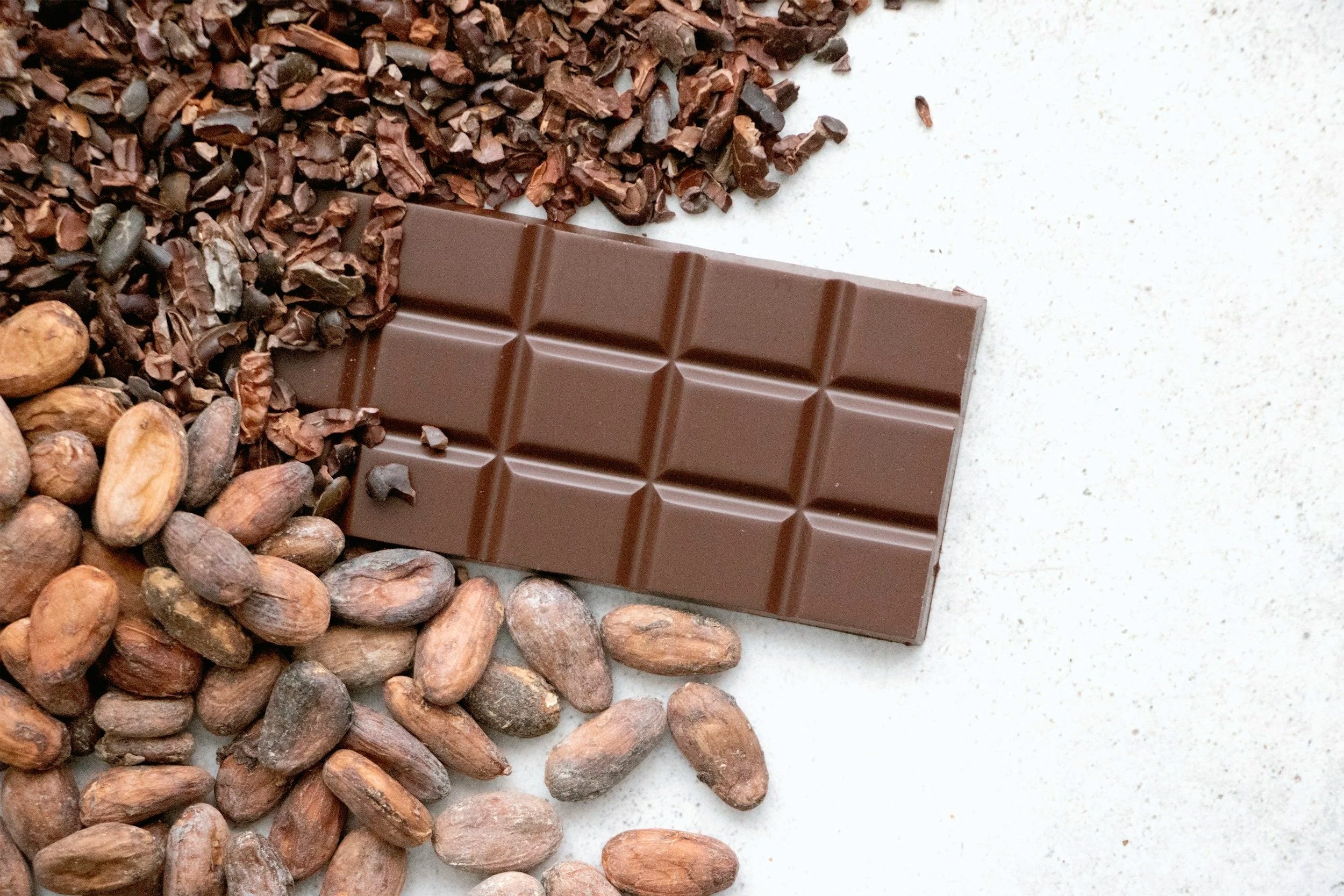
Antioxidant flavanol polyphenol levels in cocoa and dark chocolate blends and single-origin
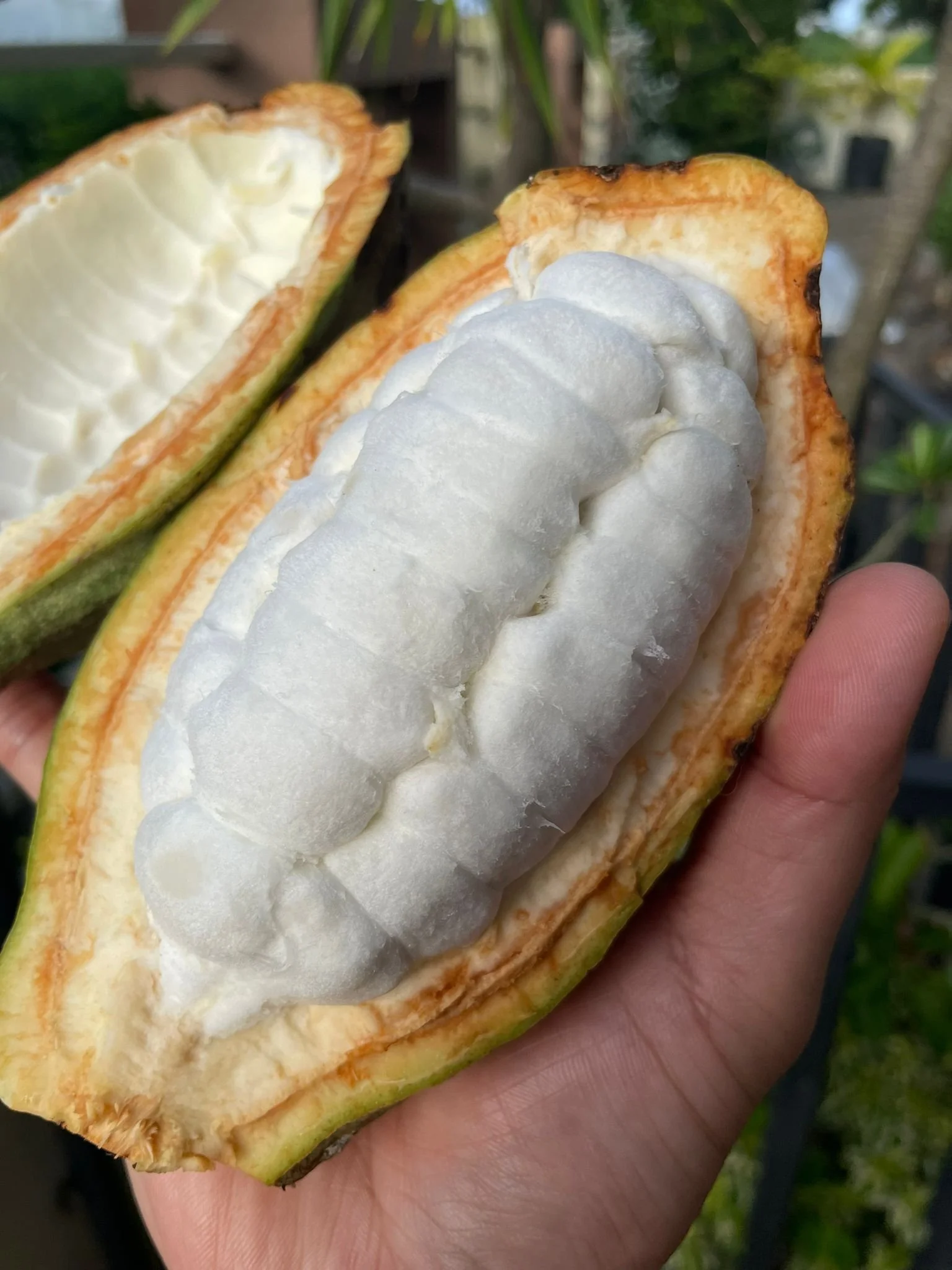
Cocoa bean fermentation impacting aroma compound formation and concentration based on fermentation location


Impact of fermentation on total polyphenol content and antioxidant capacity of Nigerian Amelonado cocoa beans.

Sugar profile and volatile aroma composition in cocoa nibs from 6 Cameroonian fine-flavor cocoa hybrids and their concentrations of fruity, floral, chocolate/nutty, and buttery/creamy aromas and their correlation to levels of reducing sugars glucose and fructose.
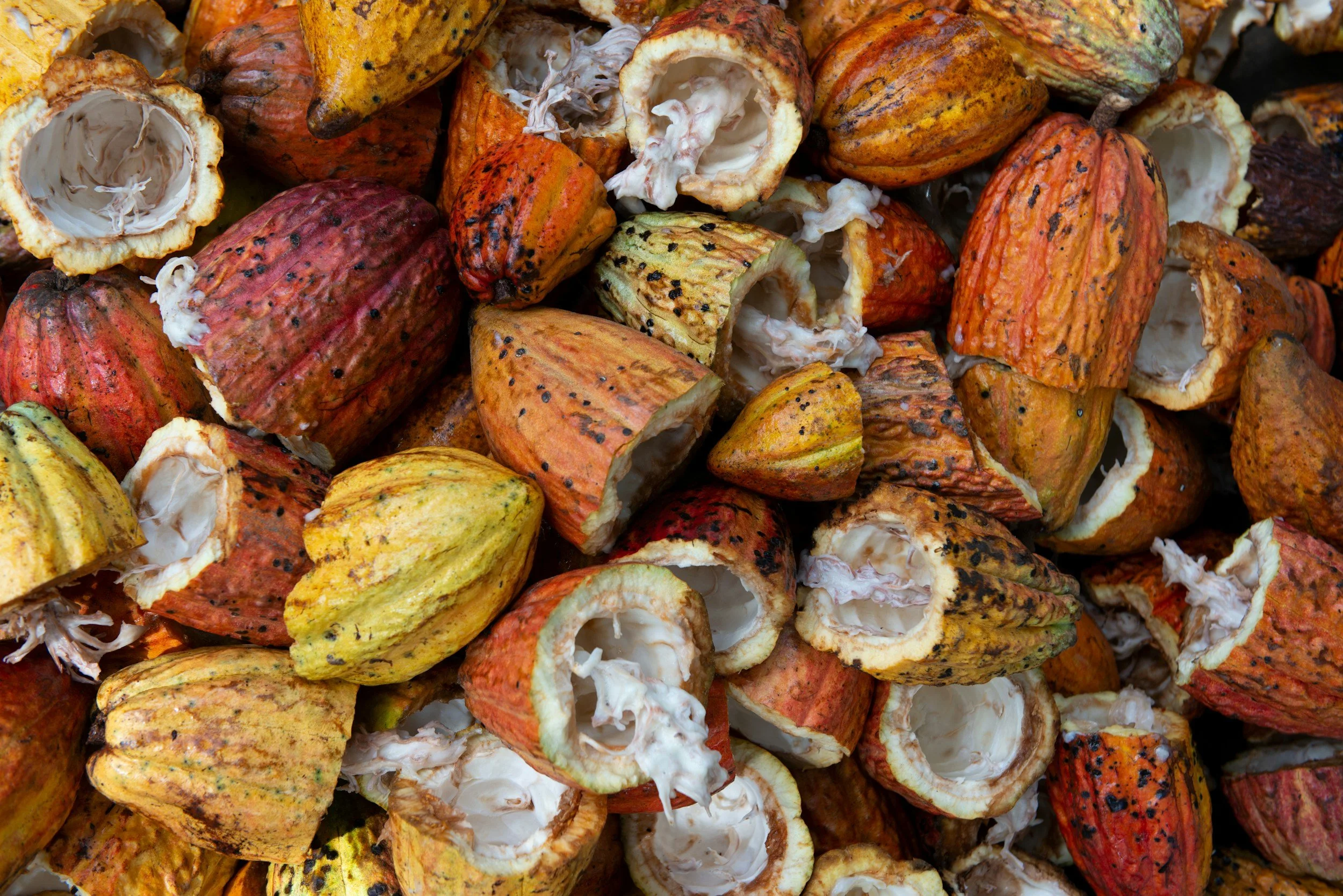
Dynamics of volatile and non volatile compounds in cocoa during fermentation and drying processes

The Impact of grinding intensity on particle properties and rheology of dark chocolate based on roller refined and ball-mill refined chocolate impacting particle size and shape.
Craft bean-to-bar chocolate tasting myths and chocolate tasting tips. Chocolate education.
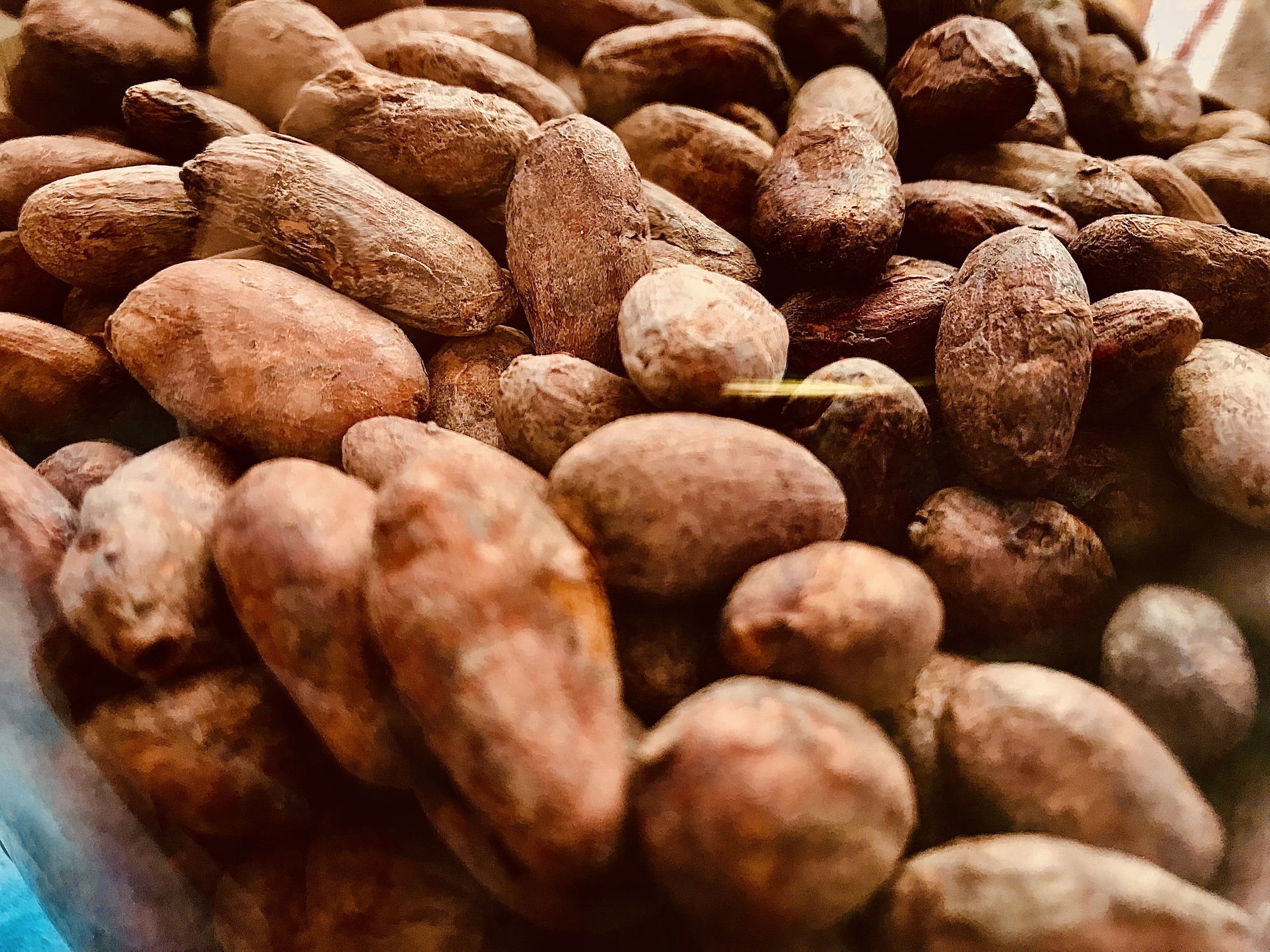
Effect of Cocoa Roasting on Chocolate Polyphenols Evolution. A look at epicatechin levels in cacao and chocolate at different points of processing, with a focus on Chocolate Modica from Italy.
This research summary looks at both potential positive and potential negative impacts of antioxidants, in particular antioxidant supplements. Antioxidants are tied closely to nutritional aspects of cacao and chocolate. Antioxidants have been associated with anti-aging, cardiovascular health, and cancer treatments.

Revisiting the history of cacao domestication from middle Holocene in South and Central America Maya, Maranon, Amazonia, Olmec, through residue on ceramic pottery looking at the 11 varieties of cacao including Criollo, Caqueta, Curaray, Nacional, Purus, Contamana, Maranon, Iquitos, Amelonado, Nanay, and Guiana. The history of chocolate is constantly shifting with new information, and we need to revisit this in order to better understand cacao domestication, and history of chocolate through the ages.

Increasing cocoa butter yield through genetic improvement of Theobroma Cacao L.: Seed fat content variability, inheritance, and association with seed yield
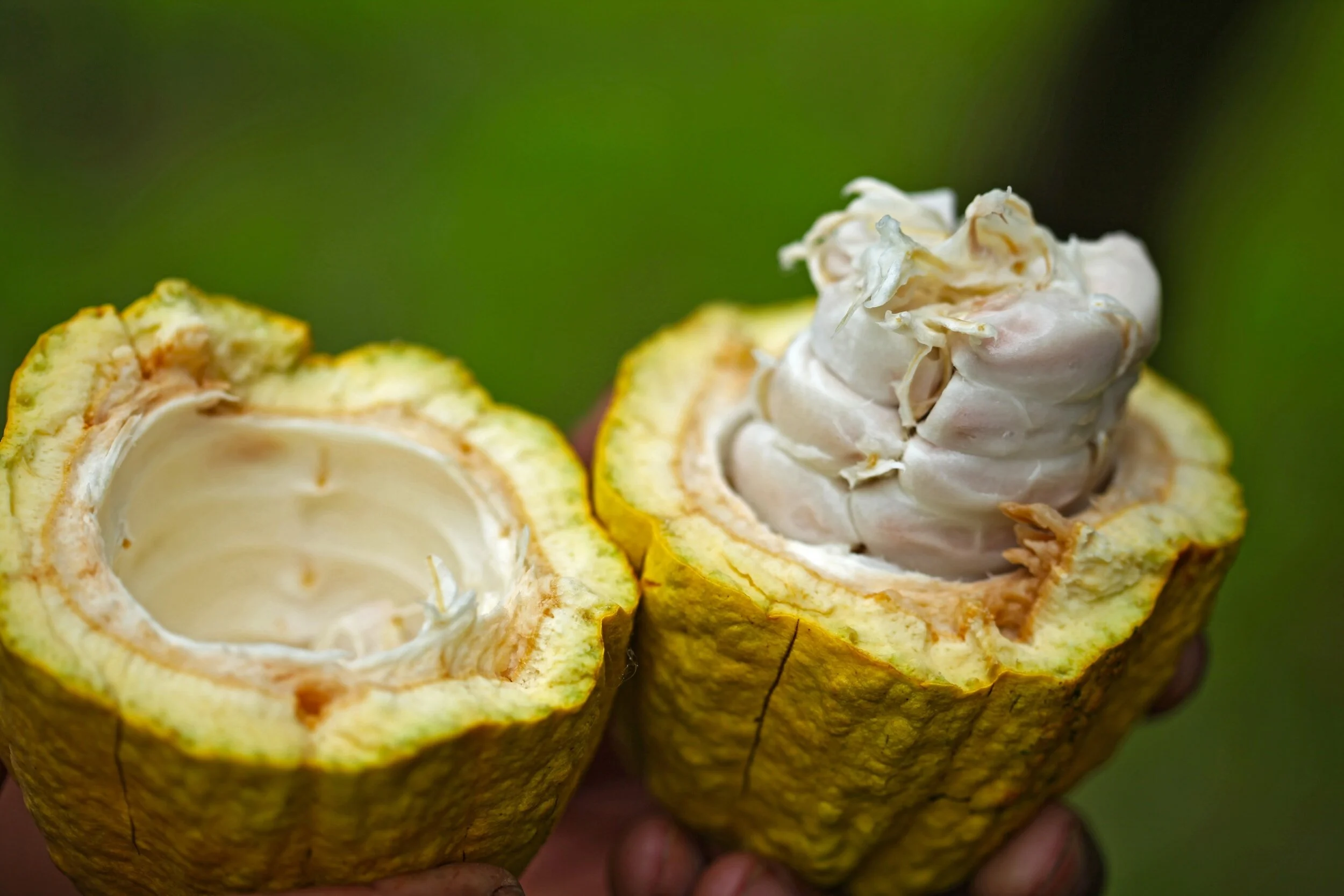
Is Fairtrade really making a positive impact on our food supply and the people connected with it? What are some some of the negative impacts of Fairtrade certification on cacao and chocolate.

Mitigating the level of cadmium in cacao products: Reviewing the transfer of cadmium from soil to chocolate bar

How natural and artificial flavour enhancers in our foods ruin your palate and your health over time, and how they are associated with fine craft bean-to-bar chocolate.

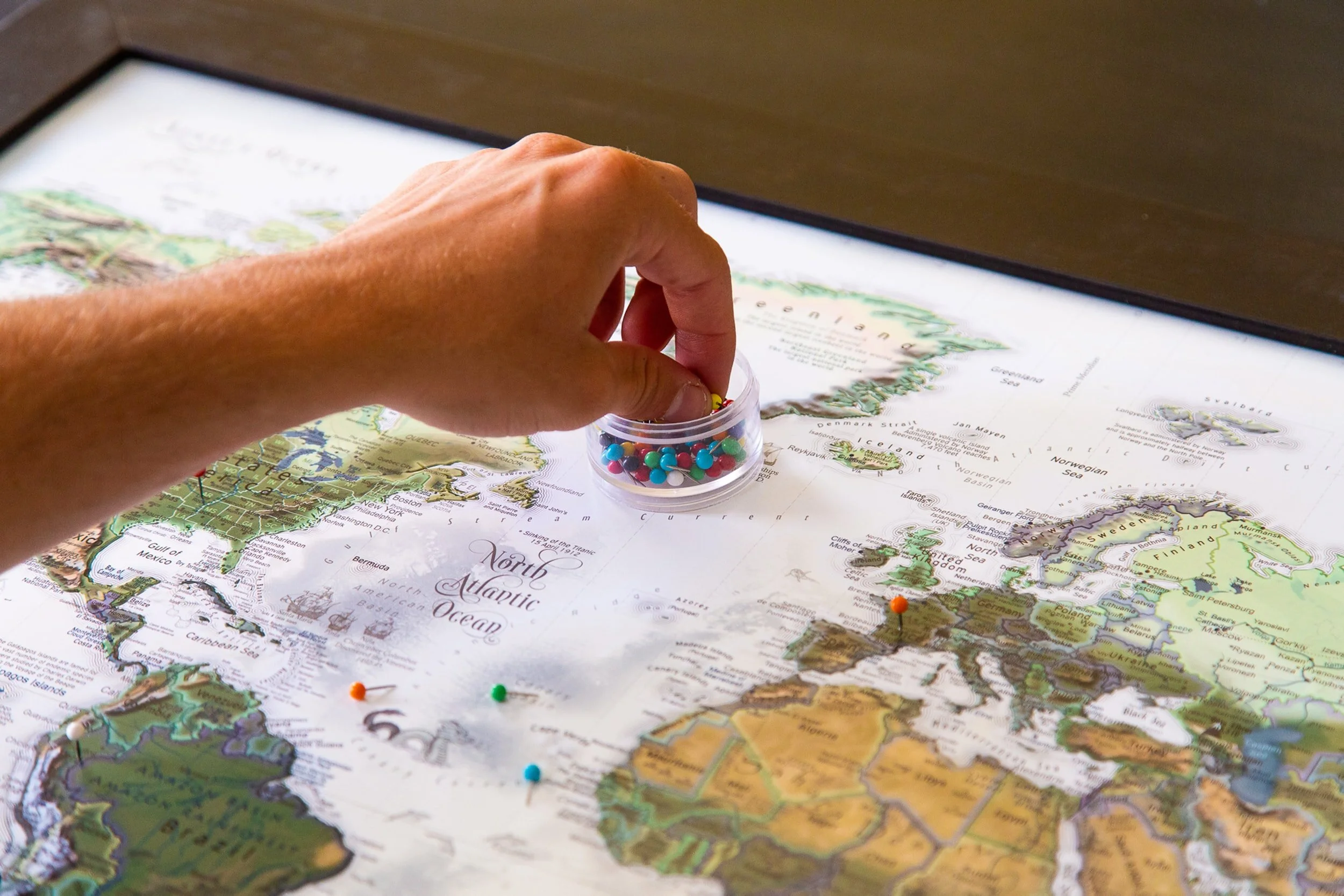
Number Of Craft Chocolate Maker By Country & Popular Chocolate Bar Origins. Cacao from Ecuador, Venezuela, Peru, Dominican Republic, Madagascar, Nigeria, Nicaragua, Brazil, Bolivia, Costa Rica, Hawaii, Ghana, Mexico, Indonesia, Colombia, Vietnam, Trinidad, Papua New Guinea, Ivory Coast, Grenada, Sao Tome, Jamaica, Belize, Philippines, Guatemala, Fiji, Tanzania, St. Lucia, Honduras, Principe, Panama, Congo, Cuba, Tobago, Haiti, Vanuatu, Solomon Islands, Samoa, Australia, Uganda, Sri Lanka, Puerto Rico, India, Cameroon, Nigeria, Liberia, El Salvador, Togo, Taiwan, Sierra Leone, Gabon, Burma.

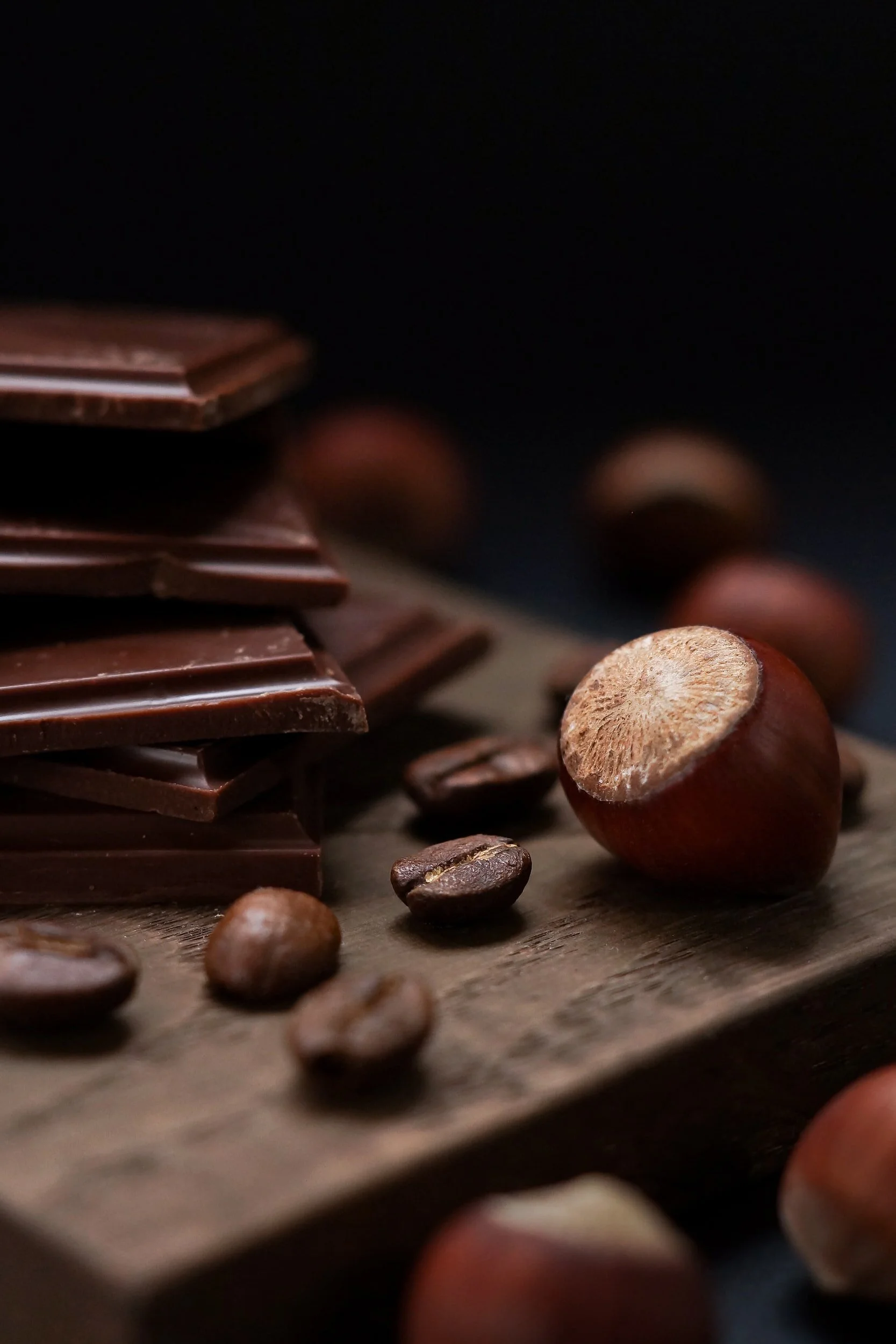
How do I know if my chocolate is low or high quality based on ingredients? Learn about the difference between high and low quality dark chocolate, milk chocolate, and white chocolate.

Best before dates, expiration dates, and chocolate. Is it okay to eat chocolate past the expiration or best before date?
What are some off-flavours in chocolate? Mold, sour notes, burnt, ferment / barn, putrid / cheesy, metallic / medicinal may be off-flavours you find in artisan bean-to-bar chocolate.



Chocolate How-To Guides
Chocolate Tasting 101
Do not waste your money on tasting certificates. Everything you need to know about tasting is here, available for free. All you need is the the chocolate to practise!
Chocolate Making 101
A concise overview of bean-to-bar chocolate making for beginners. Put together by a real chocolate maker, with practical and helpful information.
Coming soon! Chocolatier work is working with chocolate already made (such as using a couverture like Valrhona or Callebaut to make bonbons and cast figurines).
In the meantime, you can book live one-on-one virtual chocolatier lessons with a professional chocolatier. Stay tuned for more information.
History
History Of Chocolate

One of the best books on the history of chocolate. If you are a fan of chocolate and history, or if you wish to have a deeper understanding of chocolate so you can teach others through tastings and classes, this is a must have book. A great deal of history, especially concerning the earlier history of chocolate in Mesoamerica.
Understand the beginnings of chocolate, and how it has evolved into the confection the world loves today. Although this is an incredible book, like all books, it’s not all encompassing. If you want a detailed understanding of the history of chocolate, check out some other resources as well as my academy to learn more.
Grab a hot cup of single origin hot chocolate, sit back, and enjoy a delicious read with The True History Of Chocolate.
Suggested retail price of $29.95 CAD, offered to you at 26.95.
Overview Of The Manufacturing
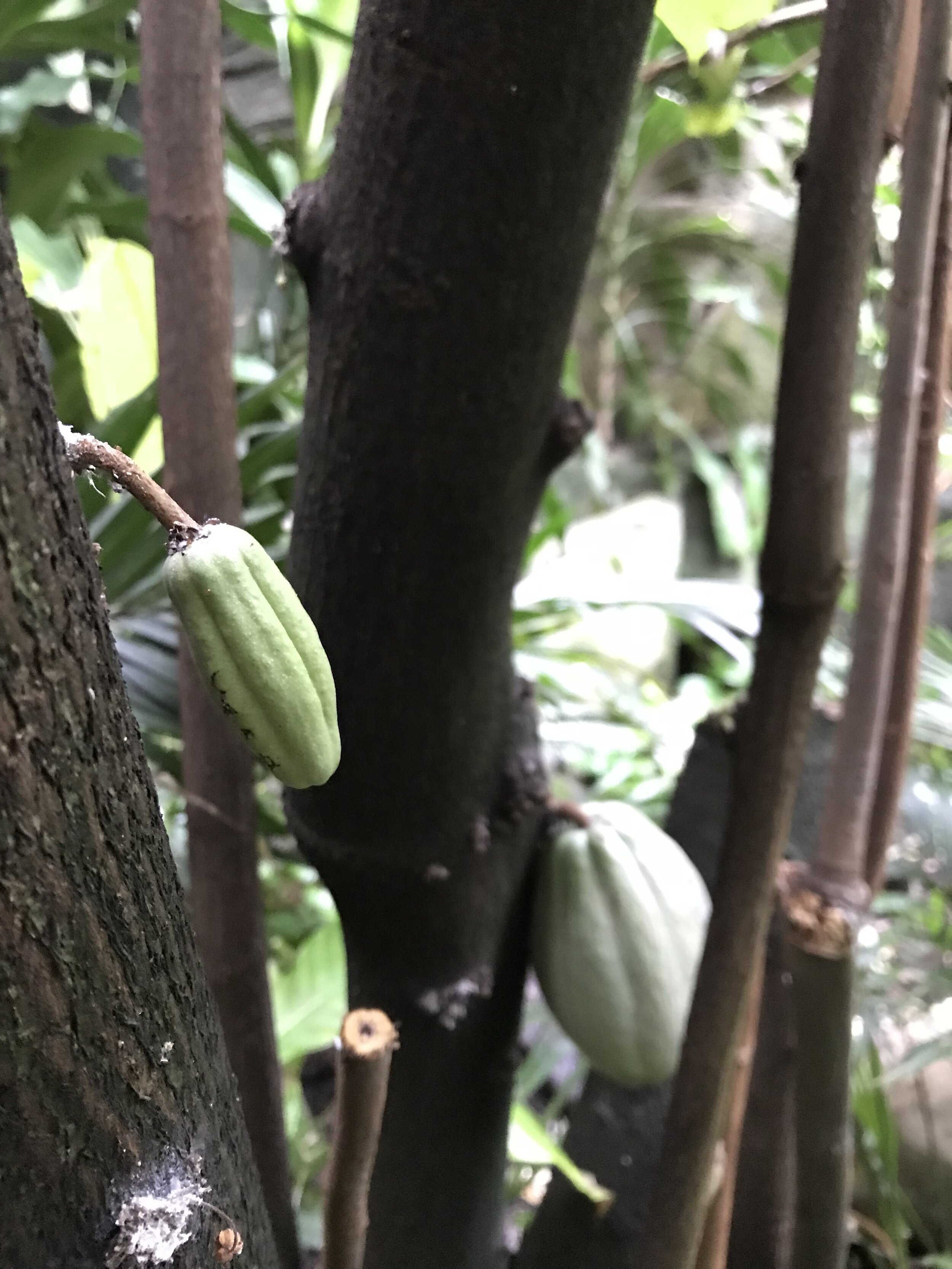
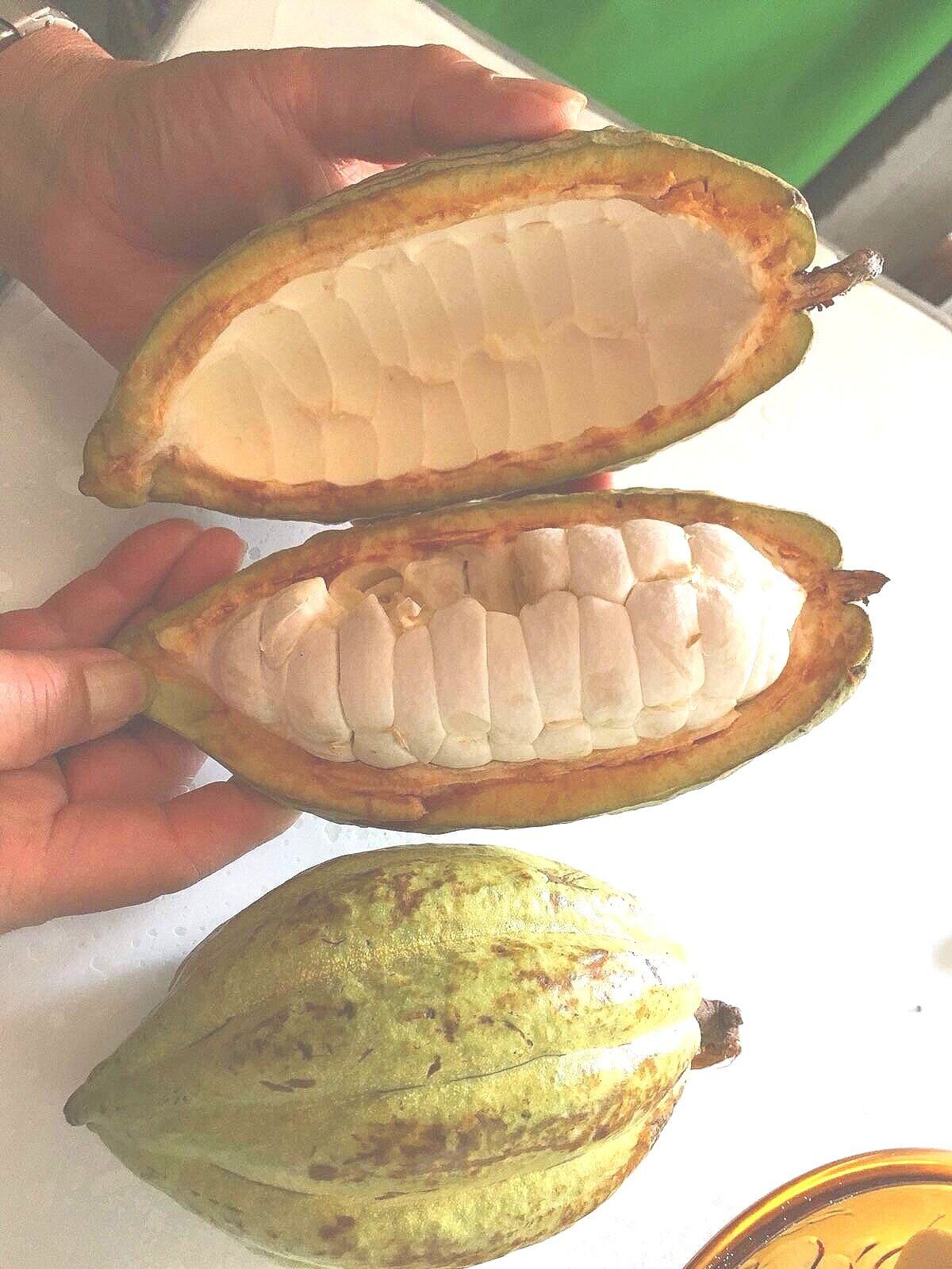
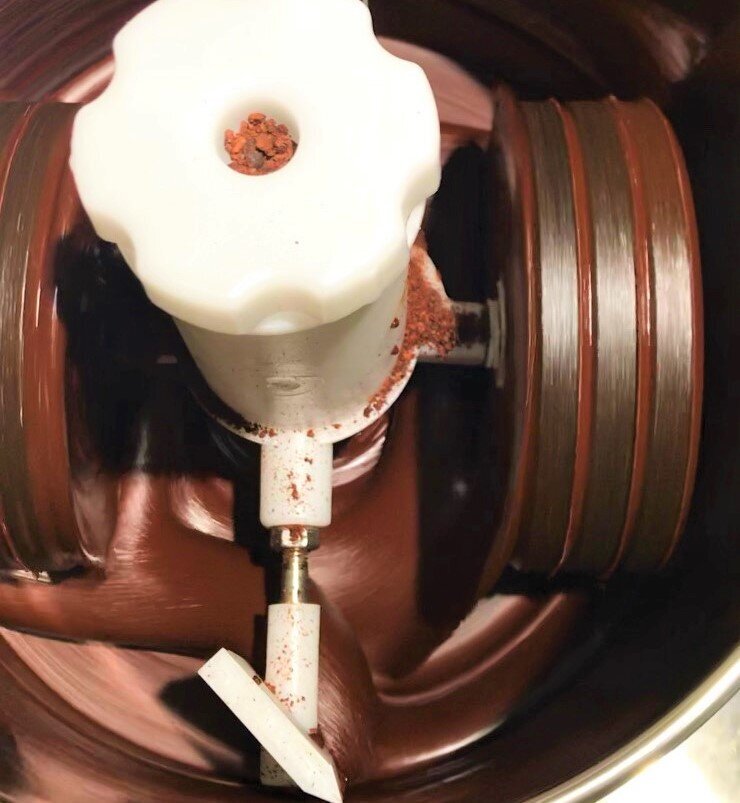
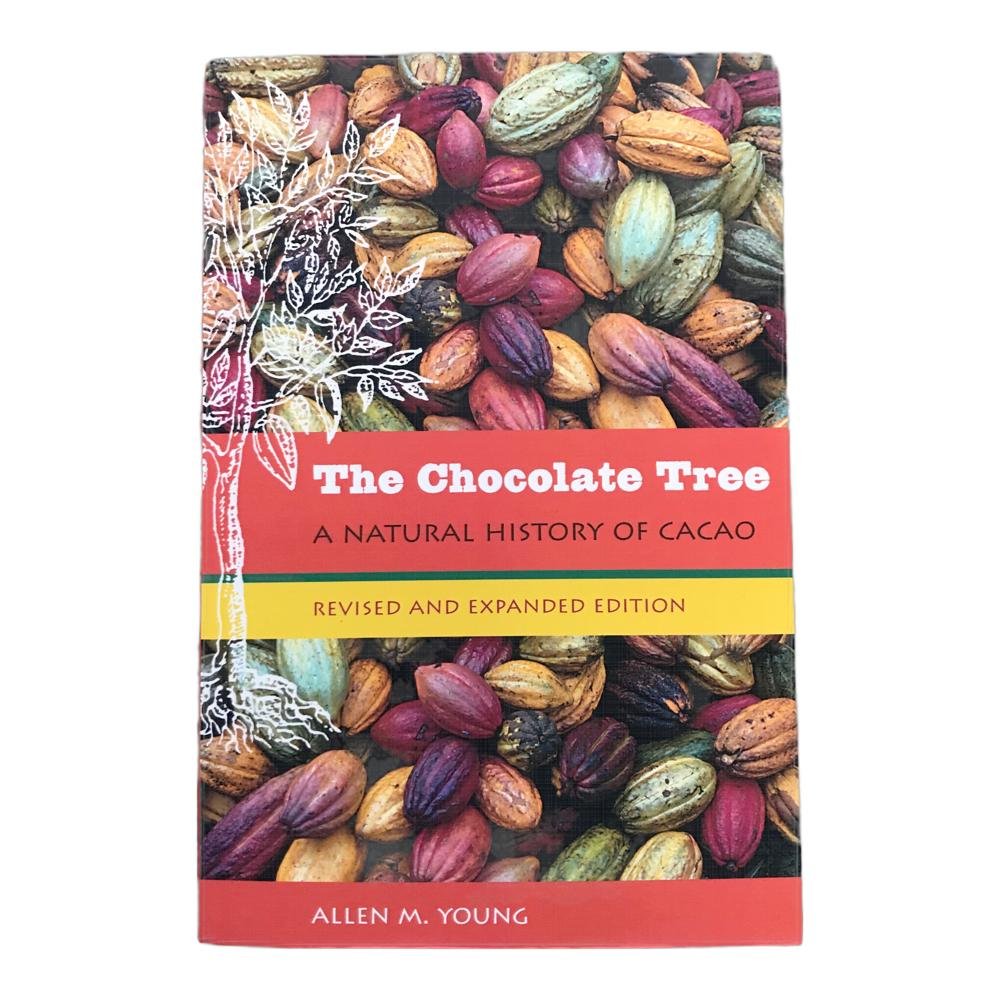
Young provides an overview of the fascinating natural and human history of one of the world's most intriguing commodities: chocolate. Cultivated for over 1,000 years in Latin America and the starting point for millions of tons of chocolate annually consumed worldwide, cacao beans have been used for beverages, as currency, and for regional trade. After the Spanish brought the delectable secret of the cacao tree back to Europe in the late 16th century, its seeds created and fed an insatiable worldwide appetite for chocolate.
The Chocolate Tree chronicles the natural and cultural history of Theobroma cacao and explores its ecological niche. Tracing cacao's journey out of the rain forest, into pre-Columbian gardens, and then onto plantations adjacent to rain forests, Young describes the production of this essential crop, the environmental price of Europeanized cultivation, and ways that current reclamation efforts for New World rain forests can improve the natural ecology of the cacao tree. Amid encounters with sloths, toucans, butterflies, giant tarantula hawk wasps, and other creatures found in cacao groves, Young identifies a tiny fly that provides a vital link between the chocolate tree and its original rain forest habitat. This discovery leads him to conclude that cacao trees in cultivation today may have lost their original insect pollinators due to the plant's long history of agricultural manipulation. In addition to basic natural history of the cacao tree and the relationship between cacao production systems and the preservation of the rain forest, Young also presents a history of the use of cacao, from the archaeological evidence of Mesoamerica to contemporary evidence of the relationship between chocolate consumption and mental and physical health.
A rich concoction of cultural and natural history, archaeological evidence, botanical research, environmental activism, and lush descriptions of a contemporary adventurer's encounters with tropical wonders, The Chocolate Tree offers an appreciation of the plant and the environment that provide us with this Mayan “food of the gods.”
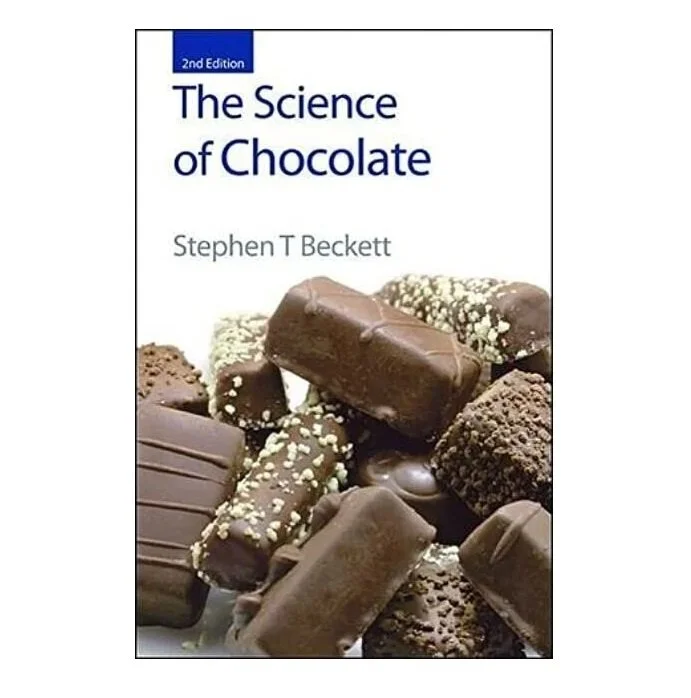
The Science Of Chocolate by Stephen T. Beckett is a gem of a book. There are not many textbooks on the cacao and chocolate manufacturing. Although this book is more technical, isn’t not a difficult read, and offers a great deal of insight into cacao harvesting, fermentation, chocolate manufacturing, tempering, fat bloom, and much more. A great read for any chocolate geek. It’s out of publication now, so here it is available for free. Read and share this with other chocolate geeks.
Cocoa bean fermentation impacting aroma compound formation and concentration based on fermentation location
Dynamics of volatile and non volatile compounds in cocoa during fermentation and drying processes
The Impact of grinding intensity on particle properties and rheology of dark chocolate based on roller refined and ball-mill refined chocolate impacting particle size and shape.
Effect of Cocoa Roasting on Chocolate Polyphenols Evolution. A look at epicatechin levels in cacao and chocolate at different points of processing, with a focus on Chocolate Modica from Italy.
Is Fairtrade really making a positive impact on our food supply and the people connected with it? What are some some of the negative impacts of Fairtrade certification on cacao and chocolate.
How do I know if my chocolate is low or high quality based on ingredients? Learn about the difference between high and low quality dark chocolate, milk chocolate, and white chocolate.
Best before dates, expiration dates, and chocolate. Is it okay to eat chocolate past the expiration or best before date?
What are some off-flavours in chocolate? Mold, sour notes, burnt, ferment / barn, putrid / cheesy, metallic / medicinal may be off-flavours you find in artisan bean-to-bar chocolate.
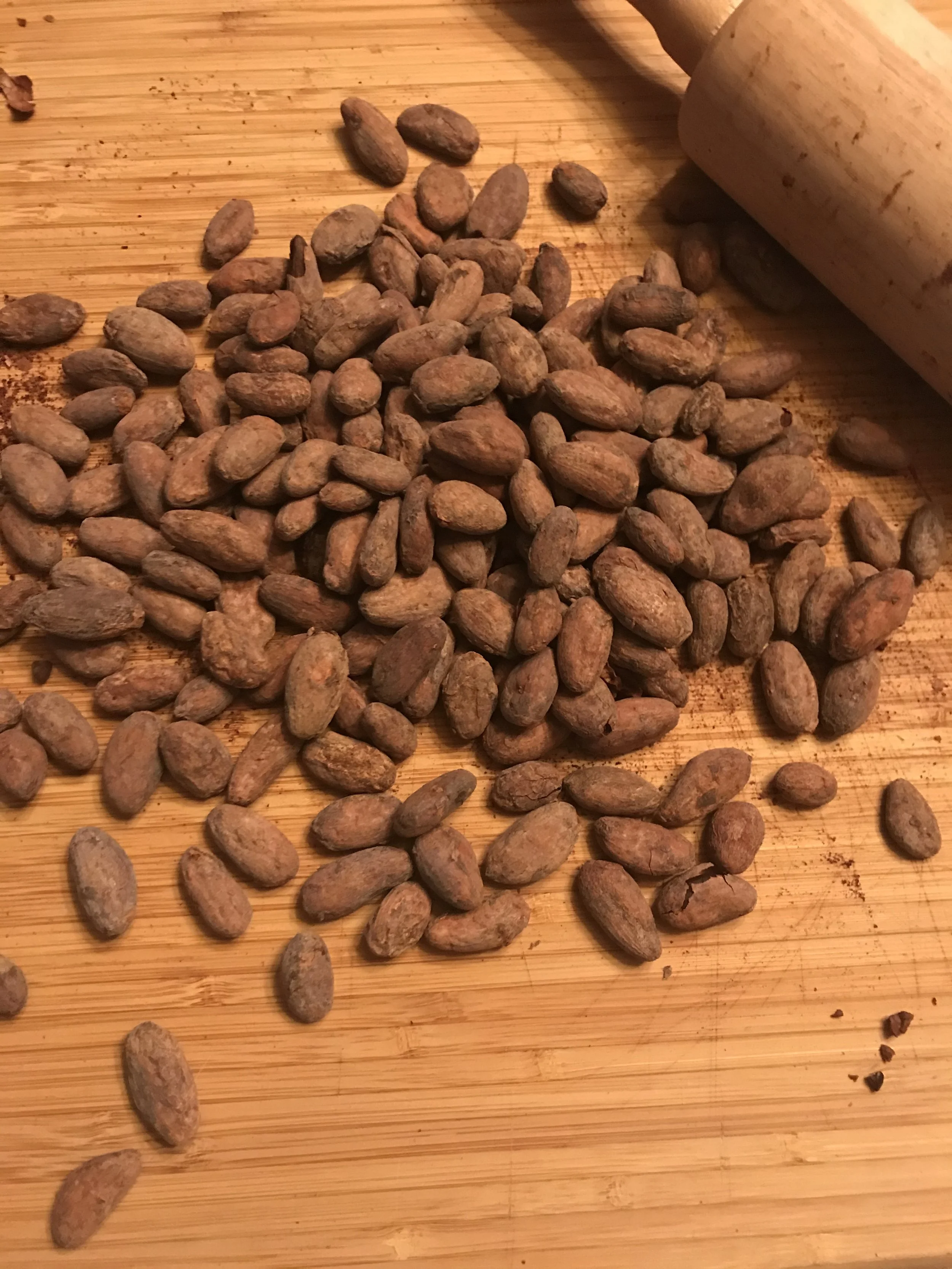
Ingredients found in chocolate. Whether you are making your own bean-to-bar chocolate or want to better understand the chocolate you consume, I will go over a list of ingredients in chocolate and their purpose.


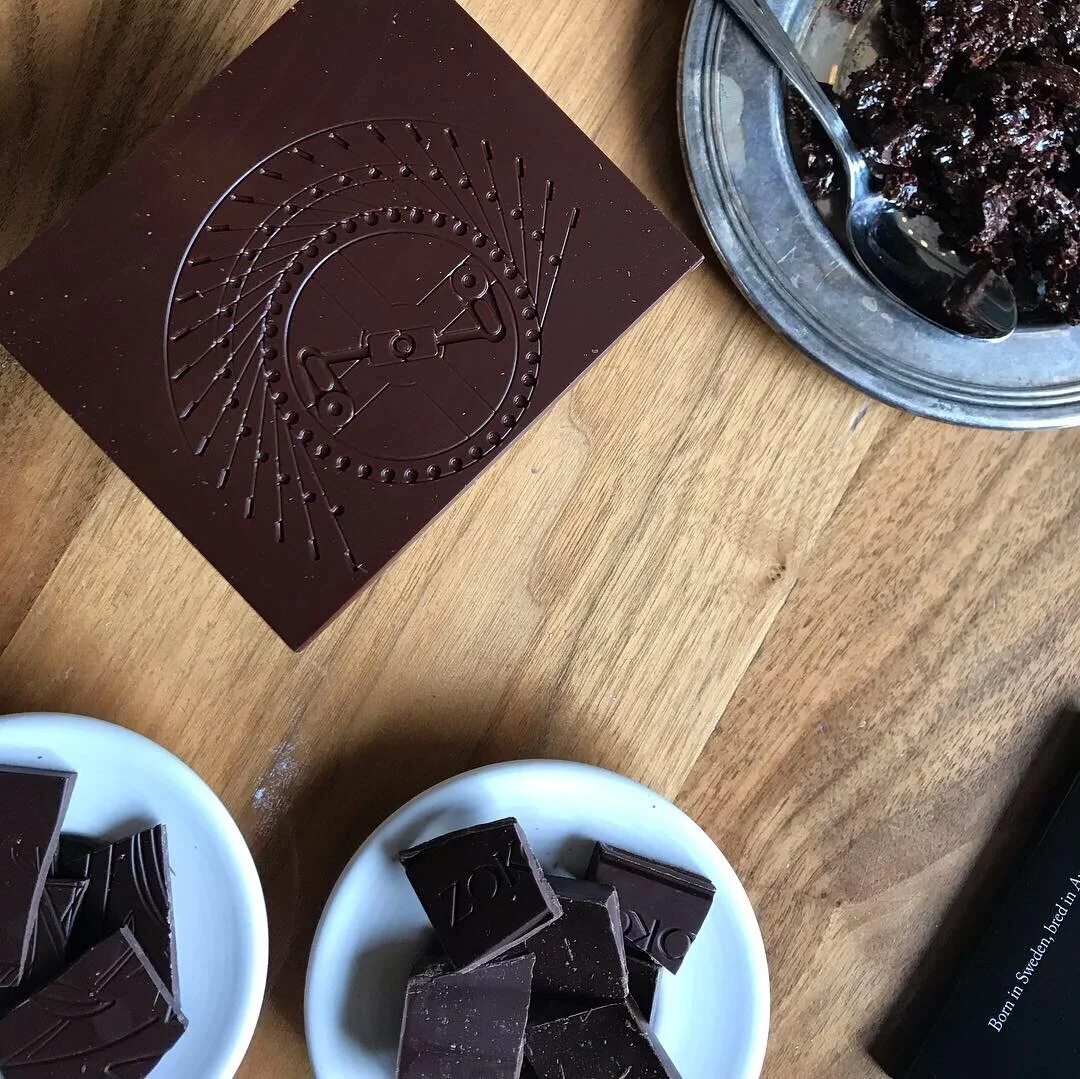
Conching and its impact on chocolate quality, rheology, flavour, flow, safety and nutrition.


Sugar and glycemic index in chocolate, dark chocolate, milk chocolate, as compared to other foods.


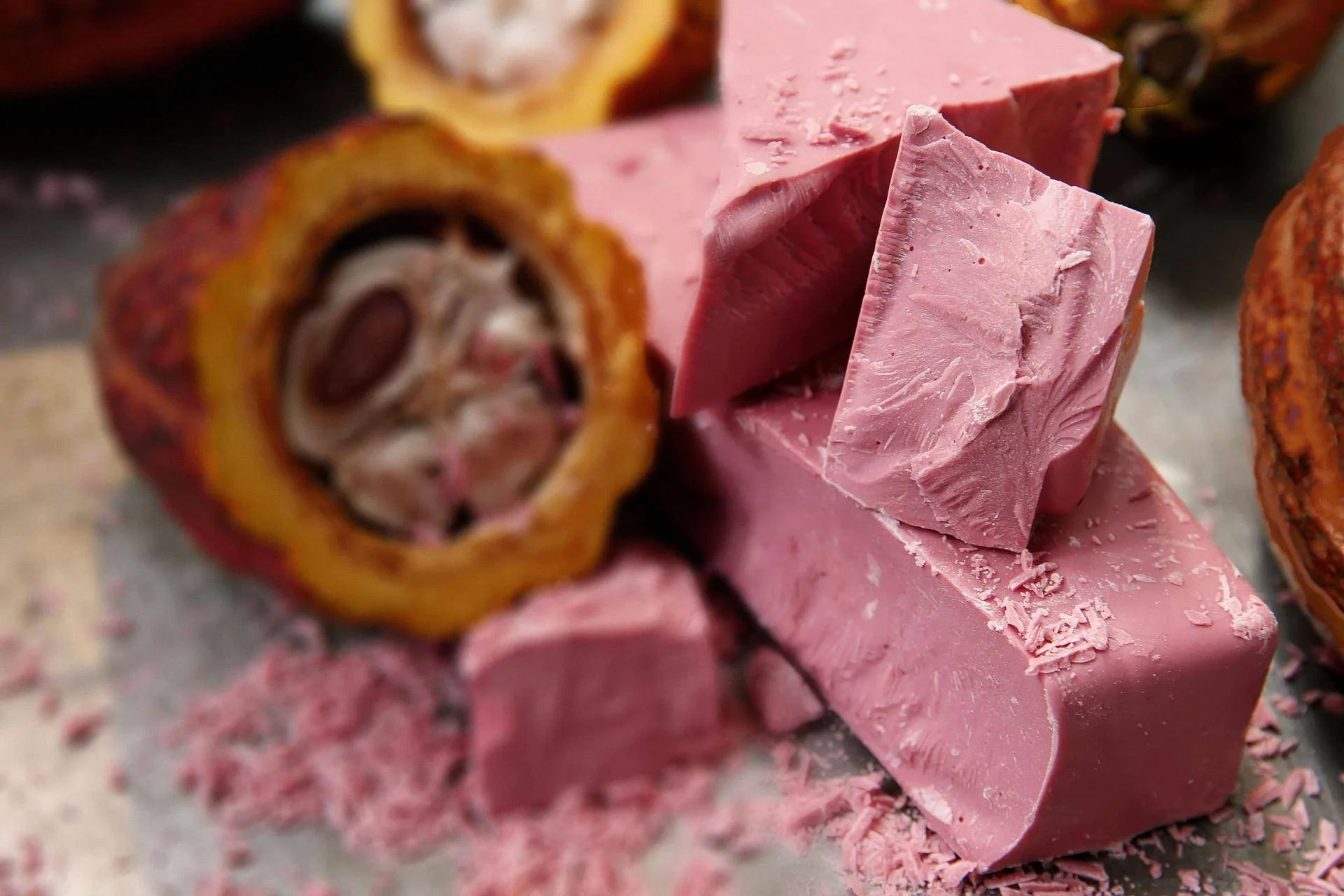
What is ruby chocolate? Is ruby chocolate the fourth type of chocolate? Why does it taste so fruity?

The Dynamics of volatile aromas and non-volatile compounds in cocoa during fermentation and drying
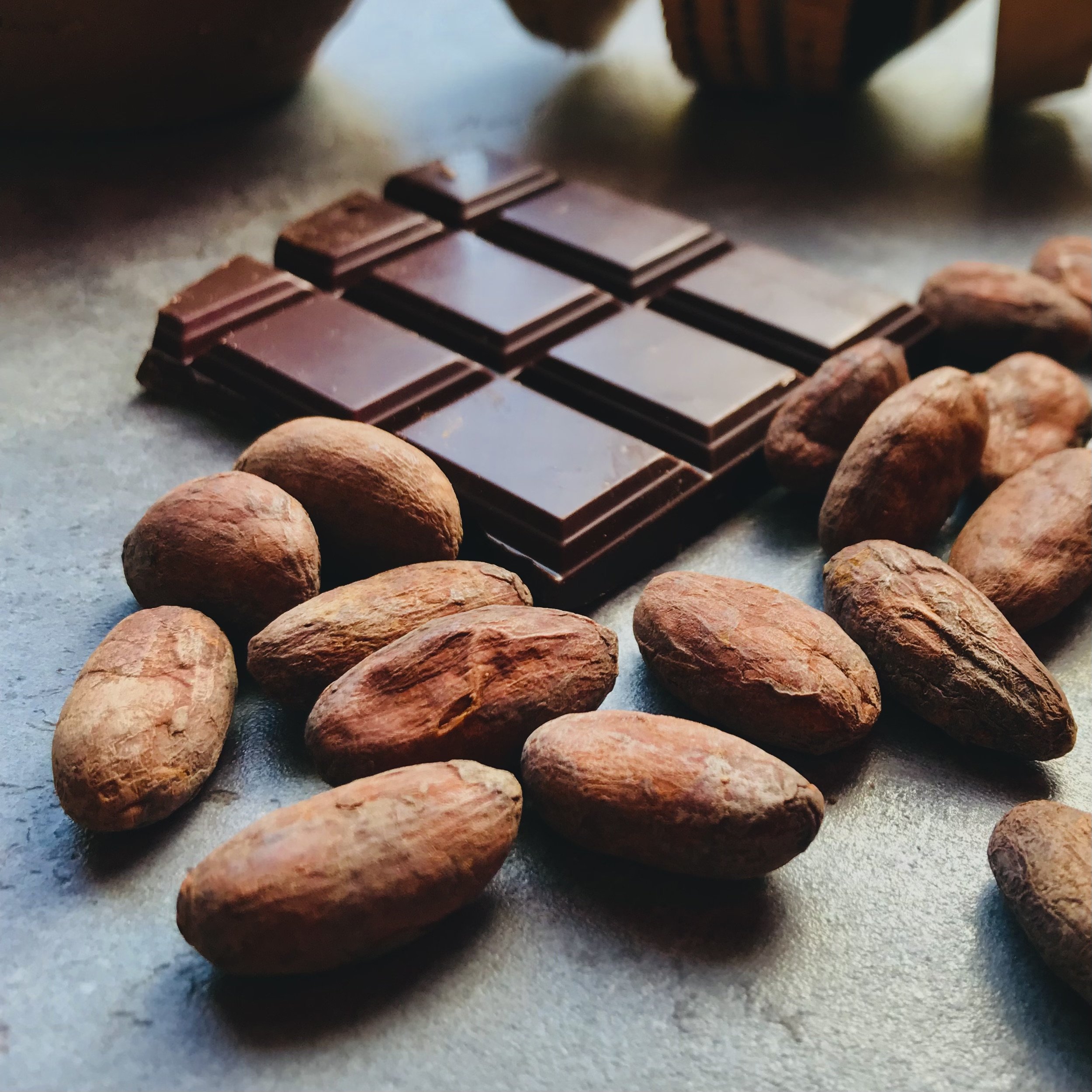
General myths about chocolate cacao versus cocoa, bitter dark chocolate, sweet milk chocolate, white chocolate, ruby chocolate, chocolate is unhealthy, chocolate is dessert, chocolate terroir,

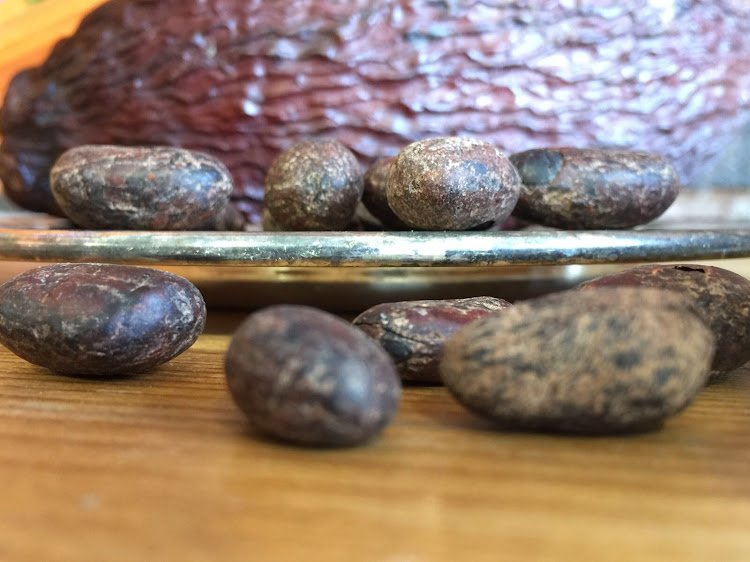


Effect of sugar, cocoa particles, and lecithin on cocoa butter crystallization in seeded and non-seeded chocolate.

What main factors influence the flavour of fine cacao and chocolate? You may be surprised by some of the answers. Yes, roasting is one, but there are a couple underestimated factors as well. Is terroir a good reason why cacao and bean to bar chocolate tastes so different?
A must have for any cacao and chocolate geek who loves to learn about the history of chocolate. A well-written 30-page precise book highlighting the fascinating and complex history of cacao, including artifacts, stories, and ideas surrounding cacao throughout the ages.
This book focuses mostly on Guatemala, as it is published by the Museo Popol Vuh, based within the Universidad Francisco Marroquìn in Guatemala.
This book is the accumulation of 4 authors including Michael D. Coe (Author of the True History of Chocolate), Carmen McNeil, Oswaldo Chinchilla Mazariegos, and Luis Luján Muñoz.
History is a complicated tapestry to unravel, with often conflicting and erroneous information floating around. This book does a great job of offering the reader a precise overview and a list of references to back it up. It includes many beautiful images of artifacts, explanations, stories.
You will notice the logo of Vai Cacao on the back of the book. VAI cacao helped sponsor this latest print and updated edition for Museo Popol Vuh. You can also enjoy their unique and lovely bars sold here in the online shop! VAI cacao is a chocolate maker based in Italy with connections to El Salvador and utilize cacao from here and other Central American countries.
Limited Edition Book. 30 pages. Soft Cover. 11”x8” Each page contains a column in English and a column in Spanish.