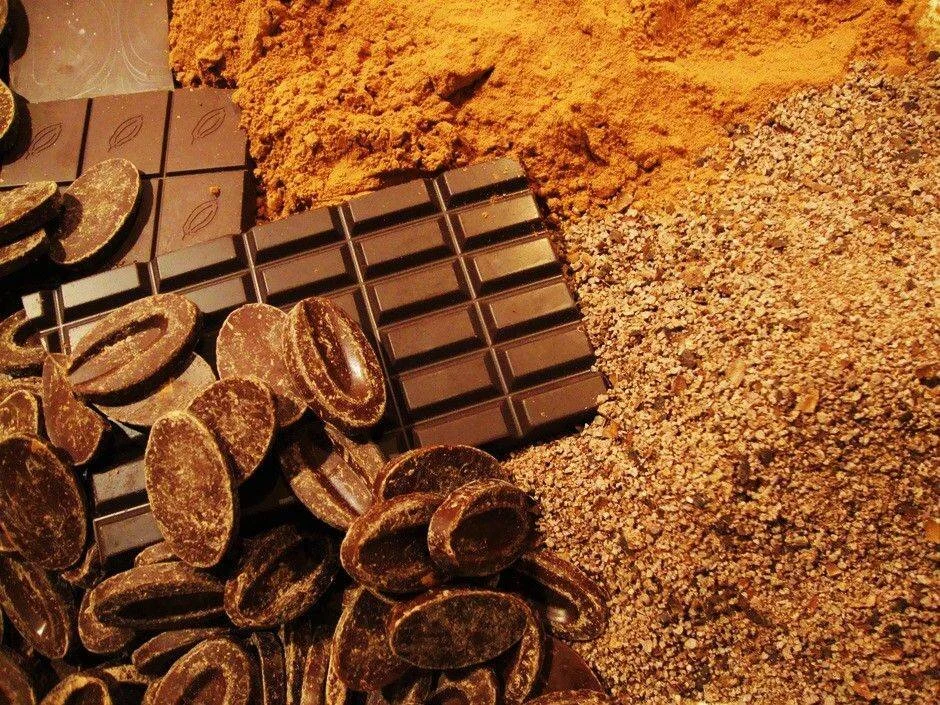
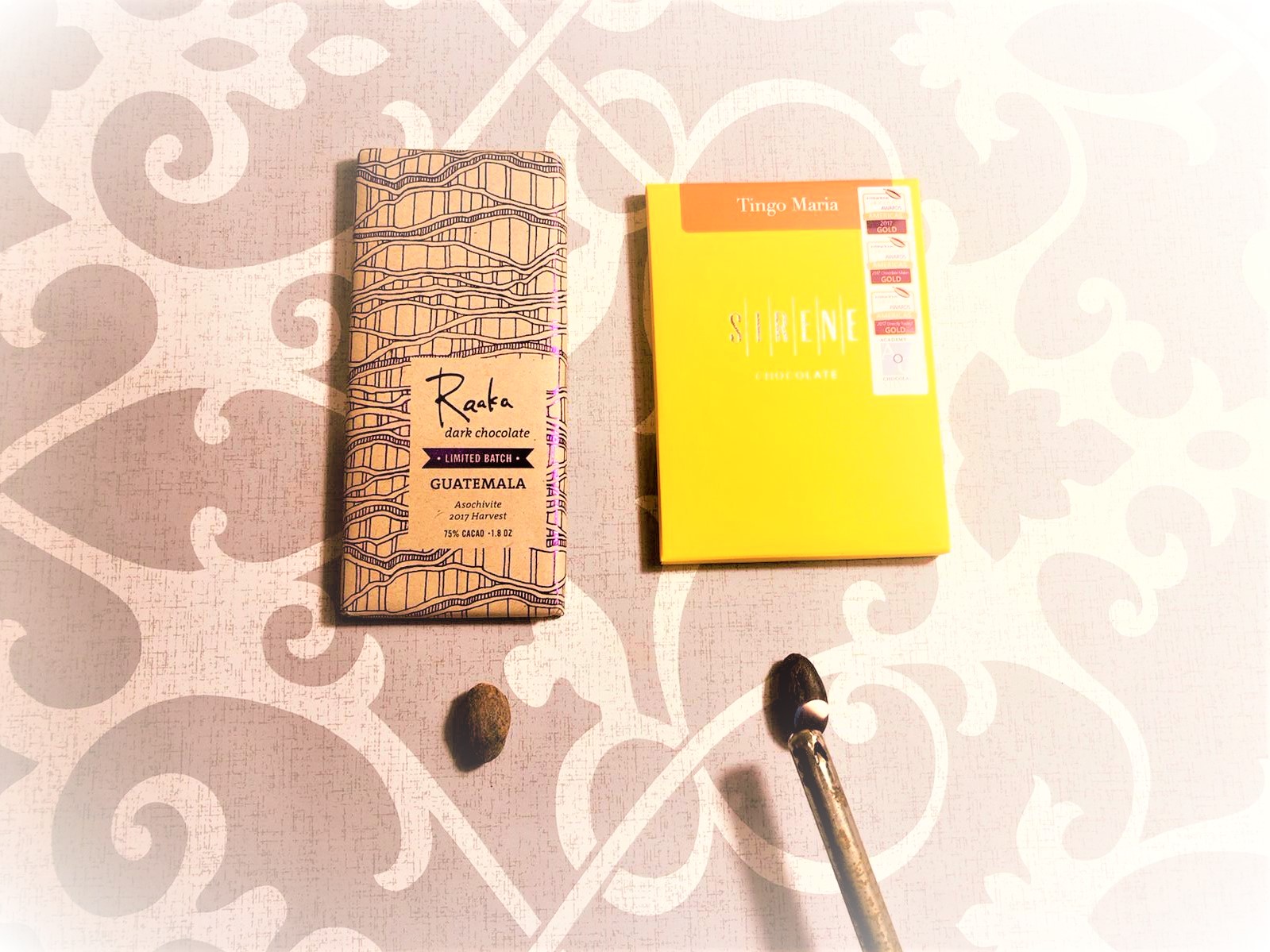
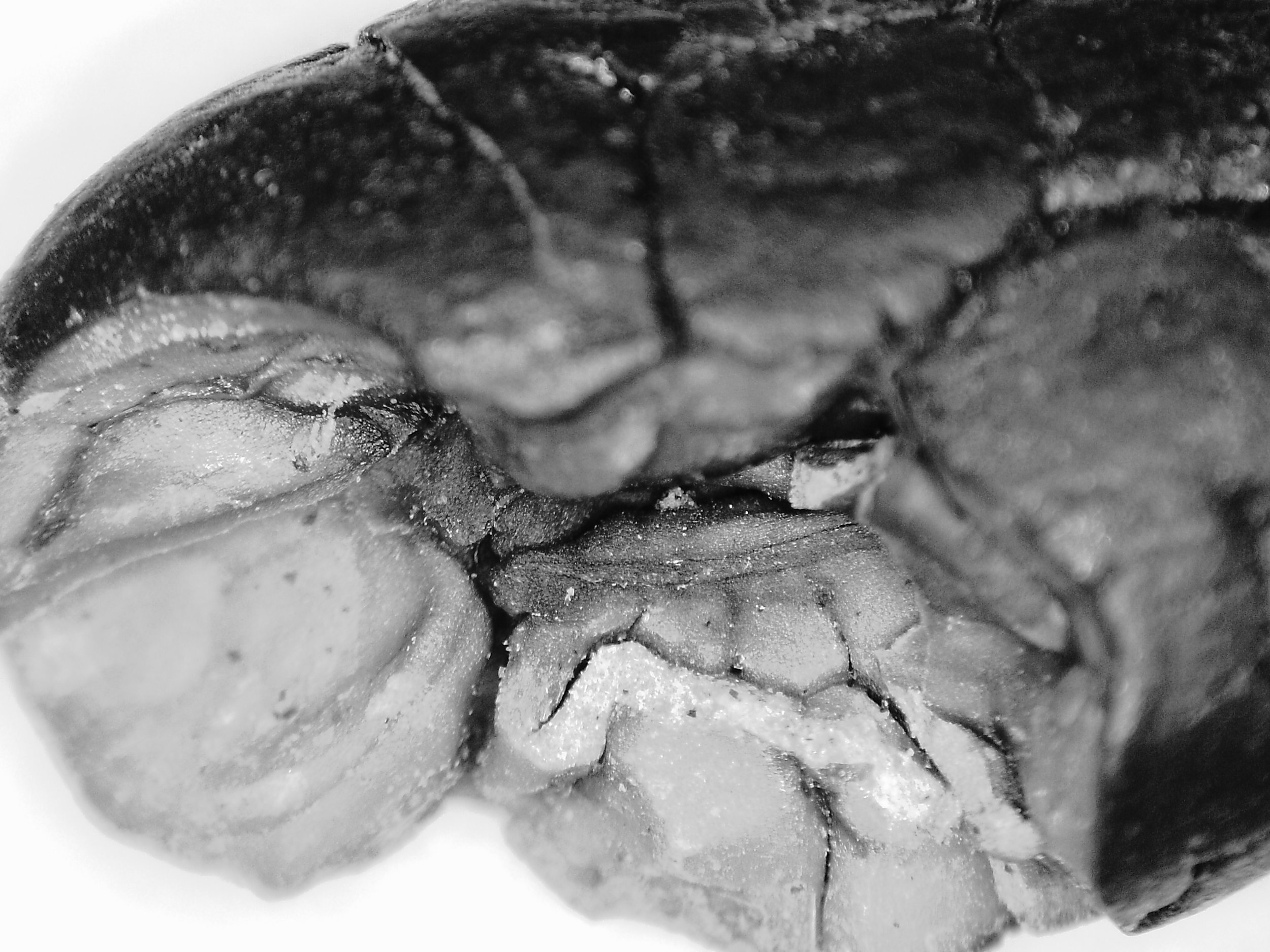
Can you make chocolate without cocoa beans? No. And here is why.
Read MoreFacts (facts about cacao and chocolate); FAQs (frequently asked questions); Myths (and misconceptions); Research (Summaries of published research articles)
Can you make chocolate without cocoa beans? No. And here is why.
Read MoreWhat is vegan or plant-based chocolate? How do I know if it’s vegan?
Read MoreA detailed look into what impacts the flavour of cacao and chocolate from genetics, to processing, to ingredients. It will also look into ways the flavour of chocolate can be analyzed.
Read MoreAn overview of the flow (rheology) and textural qualities of chocolate, as well as the impact various processes have on chocolate texture properties. Written by Afoakwa, Paterson, and Fowler.
Read MoreFermentation-like incubation of cocoa seeds without the use of microorganisms, but instead their metabolites to induce the same breakdown within the cococa seed as with natural fermentation.
Read MoreThe impact of both pod storage time and roasting time on the browning index and colour of fermented cacao beans.
Read MoreWonderful information on the relationship between cocoa, chocolate, and bone health in humans. As well, great information on the various nutrients within cocoa and chocolate.
Read MoreA look into how certain fermentation parameters decrease the levels of cadmium in the cacao nib.
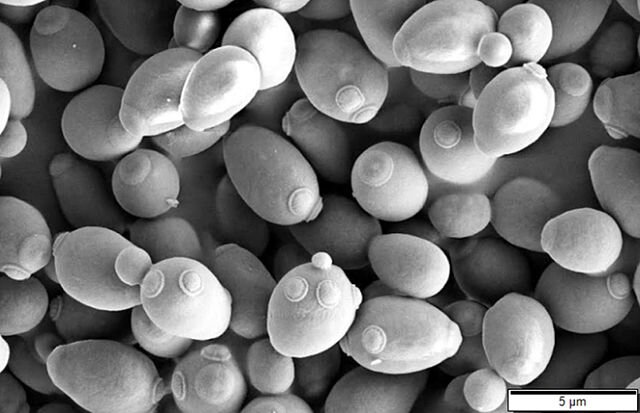
Read MoreA unique look into the origins of genetic strains of the S. cerevisiae yeast associated with cacao fermentation.
Read MoreAn excellent summary of potential hazards carried by the main artificial food colourings used today, with a great list of references to follow up with.
Read MoreA close look at Chuncho cacao, and using the aroma and flavour of cacao fruit pulp as a technique to identify and conserve fine flavoured cacao worldwide.
Read MoreAn analysis of various dark chocolates made with the same cacao, but with various treatments applied during the process. The aroma profile of these chocolates were altered according to how long the pods were stored before fermentation, and the temperature at which the cacao was roasted.
Read MoreA study contrasting the CocoaTown melanger and Stephan mixer as an alternative to the 3-roll refiner and ELK’olino conche for small scale bean to bar chocolate makers.
Read MoreA scientific explanation for what a chocolate ganache is composed of, what defines it, and the difference between a emulsified and split ganache.
Read MoreSome assume that purchasing chocolate made with fine cacao is directly helping those who grow this expensive cacao. This isn’t necessarily the case in Ecuador, where the most fine cacao in the world is grown. This research looks into the livelihoods of the growers in Ecuador, and the trade-offs of growing bulk versus fine cacao.
Read MoreAlthough fermentation impacts the flavour and qualities of the cacao, it appears that the type of cacao somehow impacts the types and populations of microorganisms. It seems as though type of cacao impacts to a degree how it ferments, which will impact the flavour and qualities of the final chocolate.
Read MoreThe impact pod storage has on the cocoa pods as well as the cocoa seeds. Can pod storage improve the aroma profile of cacao and offer farmers the chance to improve the flavour of their bulk cacao?
Read MoreRaw chocolate versus traditional roasted chocolate. Raw chocolate is a growing sector within the chocolate industry, and often boasts high levels of antioxidants, higher than traditional roasted chocolate. However, we often don’t get a chance to see actual hard evidence of the levels of antioxidants in such foods. Zyzelewicz et al. analyzed how various roasting techniques changed the levels of polyphenols within raw versus roasted cacao beans.
Read MoreThe fruit of the cacao is why humans first took an interest in this plant, which eventually lead to the making chocolate from its seeds. The cacao fruit is crucial to the process of making chocolate, but how important is its flavour? Bertus Eskes and a team of researchers conduct a few experiments with this question in mind.
Read MoreChocolate is being pushed into the “superfoods” category. However, it’s important to keep in mind that although dark chocolate has its benefits in regards to health and nutrition, it is also high in fat, calorie dense, and contains significant levels of oxalate. Oxalates are tied to kidney stones, and those who suffer from kidney stones are often suggested to limit or reduce their intake of chocolate and cocoa products.
Read More