9th & Larkin Chocolate Maker: An Interview
When I began more seriously curating the brands and bars for my shop and tastings about 5 years ago, I came across 9th and Larkin online. The words I would come to mind with this brand were sophisticated, polished, and with a quite confidence. When I finally reached out to try them, I was not disappointed. One of the best brands in California and the best in San Francisco.
As with all the chocolate makers I carry, it’s not simply about finding tasty bars. And although 9th & Larkin have absolutely beautiful packaging, I always look past packaging when trying chocolate. What motivates me to support them is their quality craftsmanship and skill, but also the quality of the people who make it. To me, that is equally if not more important than the quality of the chocolate itself. Their motivations, their integrity, and how they treat their customers and peers in the industry. 9th and Larkin is definitely a brand that has consistently lived up to these attributes.
This is why I wanted to have an interview with Lan, one of the owners of 9th & Larkin so that you could understand for yourself the story and the ideas behind this incredible brand.
How it all started
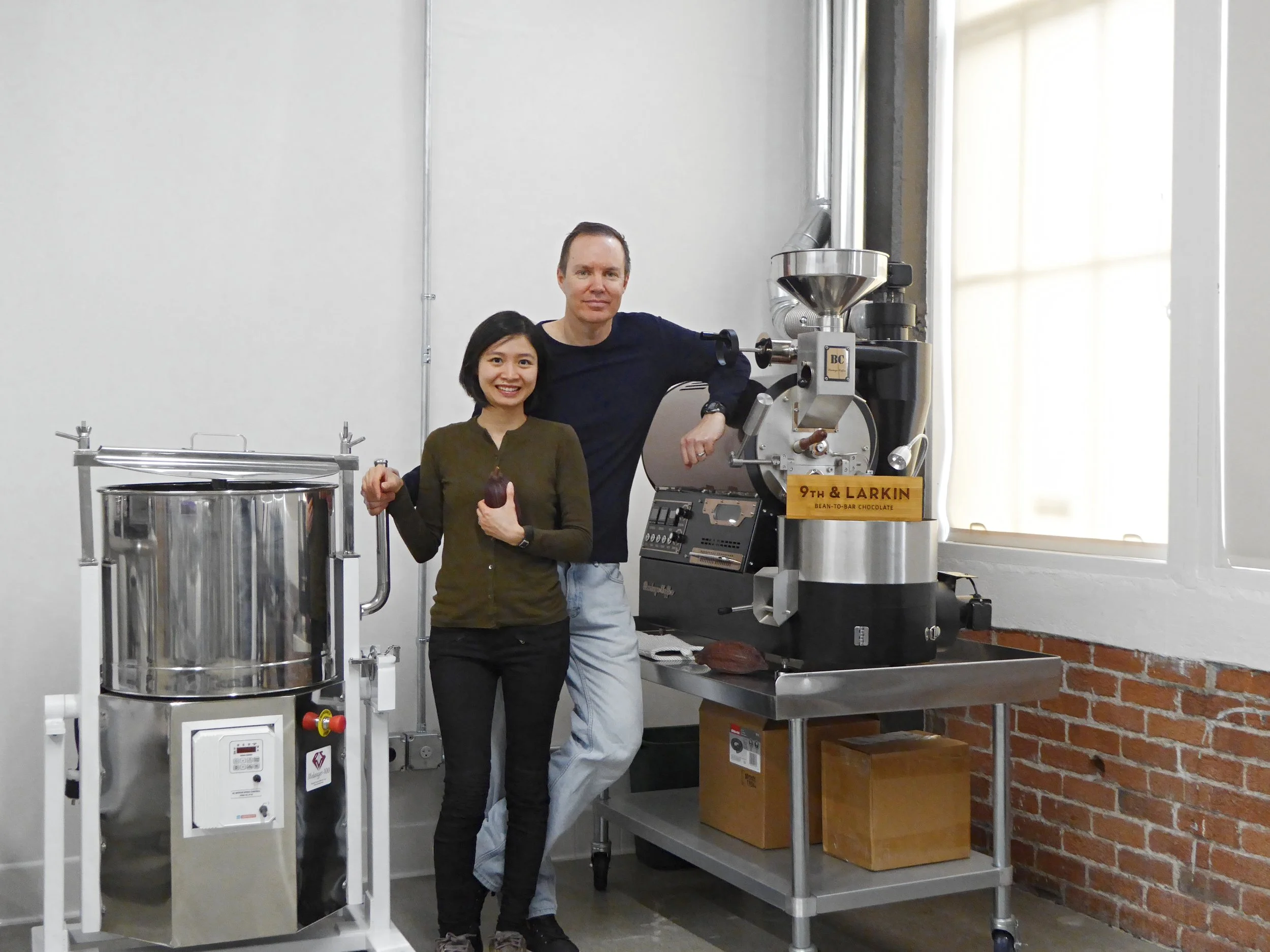
Lan and Brian, owners of 9th & Larkin Chocolate in San Francisco, California, USA. Image courtesy of 9th & Larkin
Tell us a bit about your life. Where did you grow up? And what did you do before chocolate making?
I grew up in Vietnam, I came to the US in 2006 for my graduate school. After graduating, I worked a corporate job in San Francisco, until one day, I decided to trade my job for a bag of cacao beans, and became a chocolate maker in 2016.
Were you always a lover of chocolate?
Yes, I have long enjoyed chocolate. Before we became chocolate makers, Brian and I were chocolate eaters. We enjoy good food and appreciate handcrafted items. Craft chocolates fall into both categories. Maybe Brian likes chocolate desserts a bit more than I do. When we visit a patisserie, I might consider passionfruit, or mango cake, but Brian would go directly to the one with chocolate, in whatever form it might be: cake, or mousse, ice cream.
When did your passion for bean-to-bar begin? What did you find interesting about it?
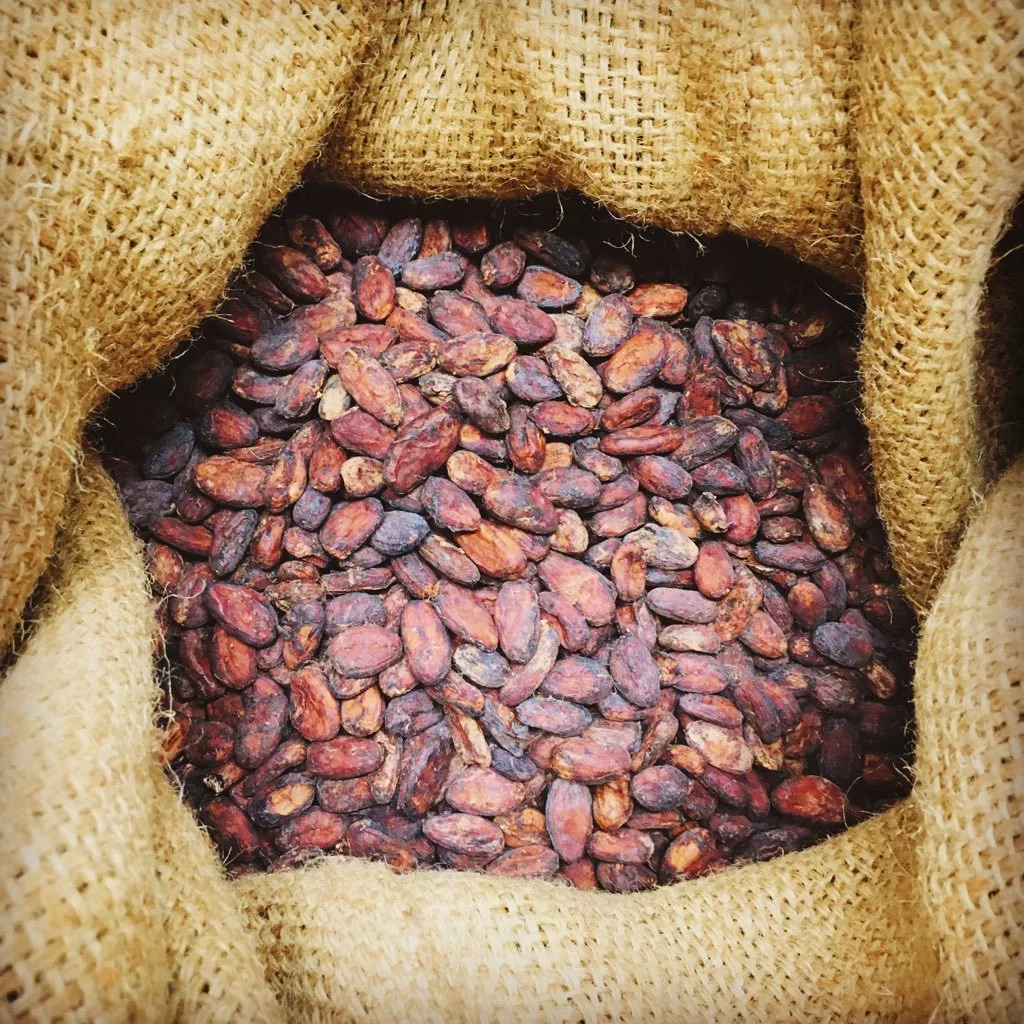
A number of craft chocolate makers debuted in the 2010s, and because we have always enjoyed chocolate and handcrafted items, we visited their shops. Then we got curious and started reading about it on the Chocolate Alchemy website. Then, we became more curious and bought ourselves a small melanger. To me, cacao is such a fascinating ingredient. I can't think of any other ingredient in the same category: a seed that is fermented, turns liquid when ground, can be tempered into a shiny, hard slab, and melts at body temperature.
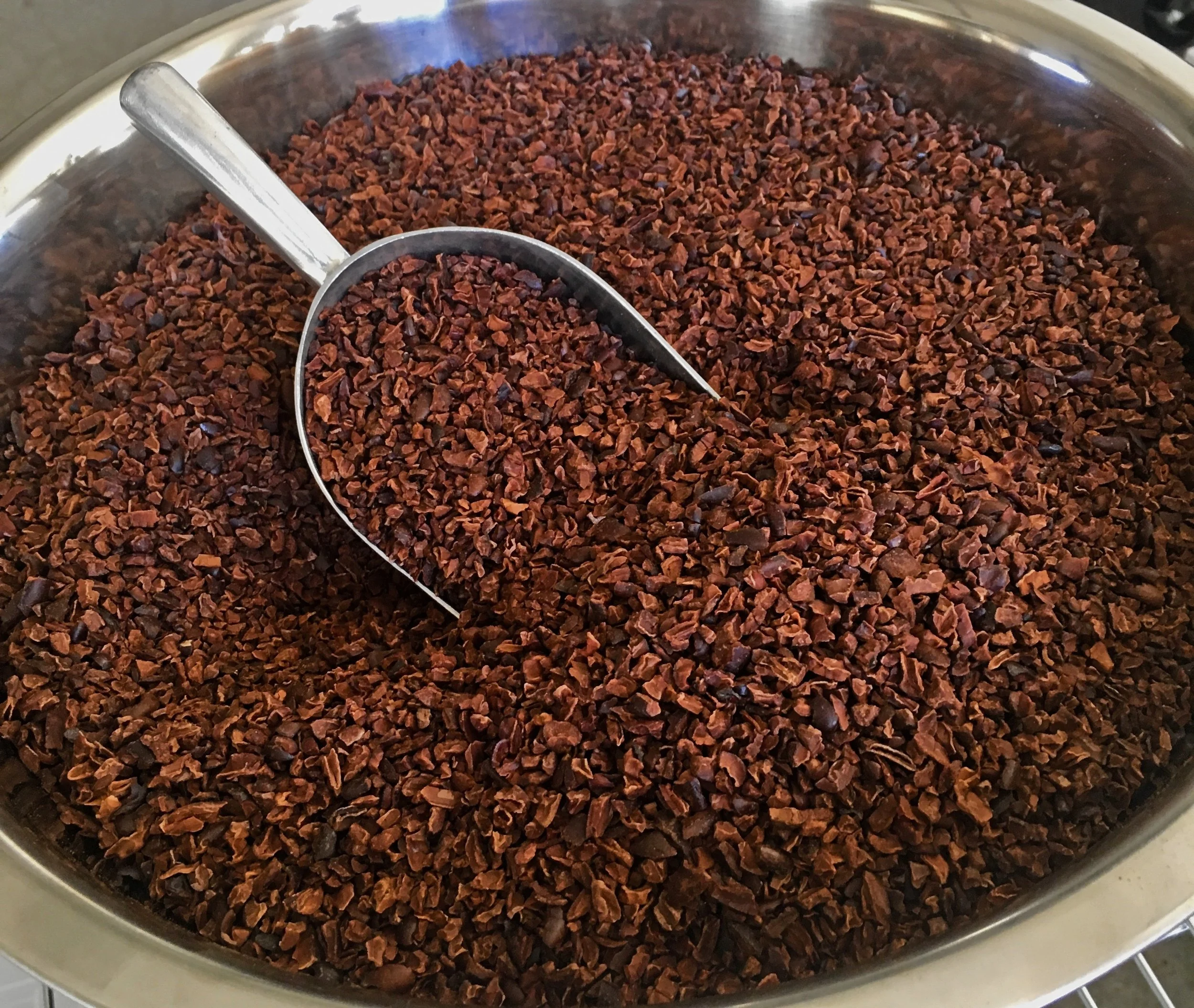
Roasted cocoa nibs (the kernel of the cocoa seed). Image courtesy of 9th & Larkin
When did you decide to start a chocolate making business? What were some of the major hurdles or fears you had?
I decided to start making chocolate in 2016. Back then I was working my corporate job, but it just felt like I was busy being busy. We only have a limited amount of energy, and I wanted to use it differently. It was quite tough when we started. I had no experience in the food industry and didn't know how things worked. It took about a year to find a space, build a commercial kitchen, and navigate many regulatory hurdles before we could make the first batch of chocolate in our factory.
Why the name 9th & Larkin, and were there any other names you thought you might go with?
The name 9th & Larkin is actually quite personal to us. I used to live on Larkin Street in San Francisco when dating Brian, he lived on 9th. And in San Francisco, 9th and Larkin are joint streets. They are also the two streets where we spent a lot of time together, so we decided to use it as our brand.
What Shapes 9th & Larkin Chocolate
What would you say are the core desires you have for your products and your business?
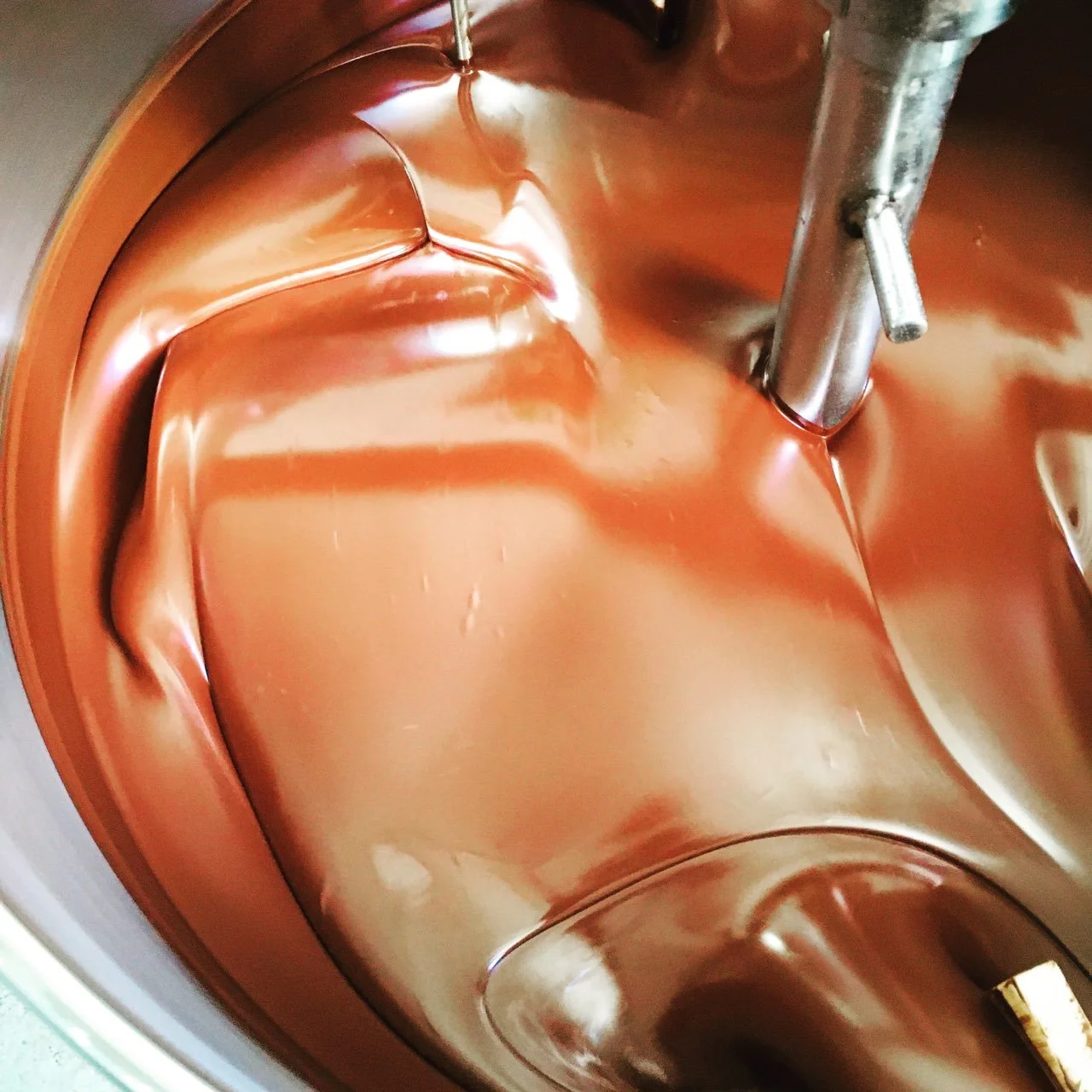
Fresh chocolate being ground in a stone melanger. Image courtesy of 9th & Larkin.
Before we started, I wanted to produce many bars and get into many shops; then, I realized that I enjoyed this handcrafted process of slow food and wanted to make chocolates this way. And we've been doing it since. We are still making it slow, in small batches at human pace. I still mould one bar at a time, foil wrap each bar by hand, and hand wrap them, one at a time. It is still just me as a fulltime chocolate maker, Brian helps on weekends and holidays, and we have one person who helps out part-time.
Some people don't quite get bean-to-bar, struggle with tasting the notes, or feel intimated. What could you say to encourage them to give it a try or keep trying?
I notice that too when we meet customers at local chocolate shows. Many people aren't aware of bean-to-bar chocolates, or that chocolate can taste fruity without added fruit. I always encourage them to try as we usually have samples at the show. They may or may not like it and should only buy what they like, but it can be quite exciting to taste something new for the first time.
What are some aspects of your work that the general public seem to miss or not appreciate right away?
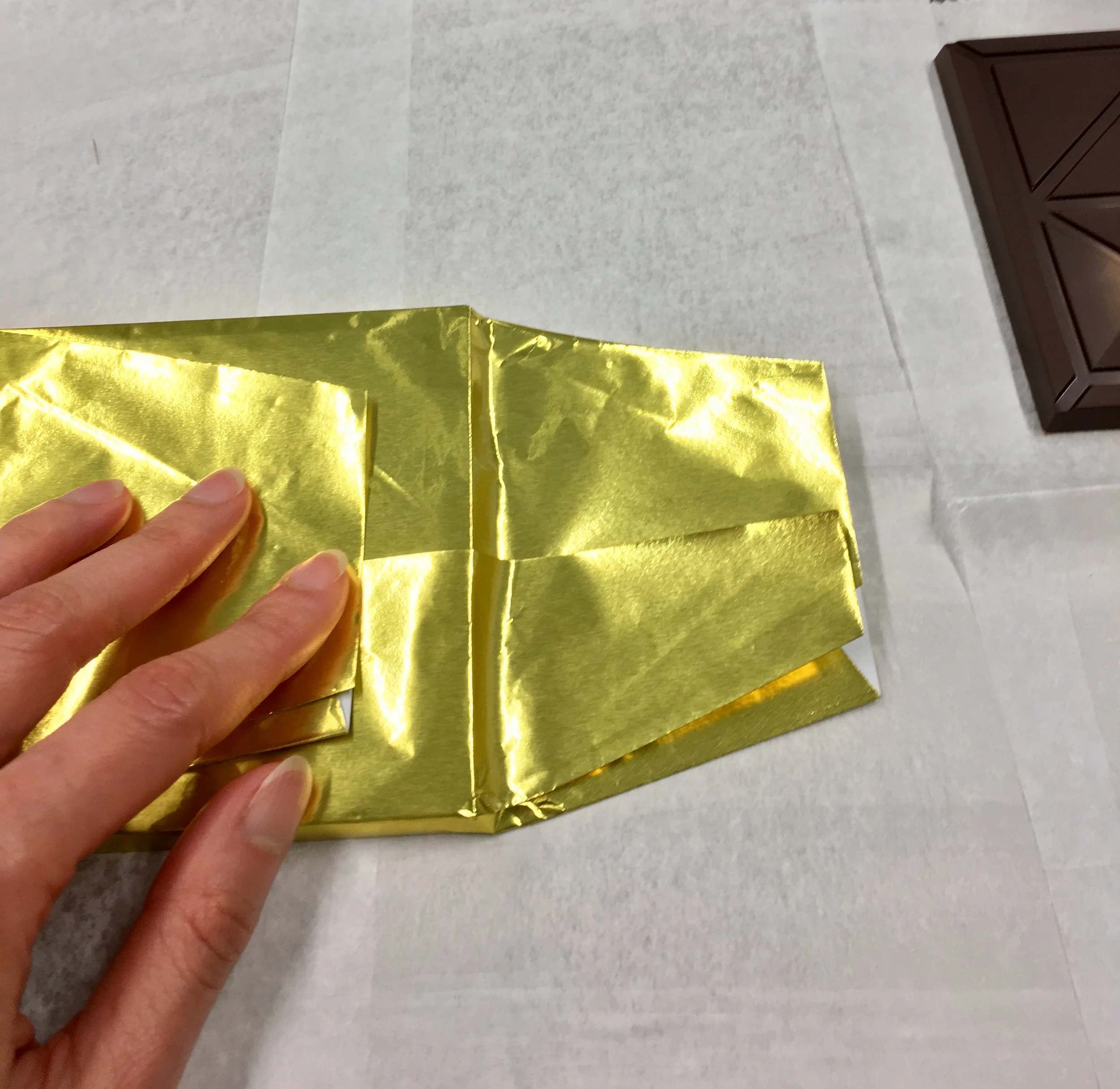
9th & Larkin bars are individually inspected and hand wrapped before you get to enjoy them. Image courtesy of 9th & Larkin
It's probably how handcrafted our chocolate is. A lot of what we do is by hand. We sort beans by hand, roast in tiny batches (each roast is just about 6lbs), sort again after roasting, and after winnowing—depending on the beans, as some are trickier to winnow than others—I often spend hours, sometimes, picking husks out of the nibs bin. I still pour one bar at a time when tempering, foil wrap each bar, put on the outer wrapper, apply labels by hand, and write the batch number and best-by date by hand, one bar at a time.
Do you have any favourite cacao origins? Some that are special to you, and why?
I enjoy working with cacao beans from Vietnam. Being able to use Vietnamese beans to make chocolates here in San Francisco means a lot to me. It is a way that I can share a piece of my homeland with our customers.
How do you feel about chocolate or food awards in general? Do you pay attention to those yourself when you eat or purchase food?
I don't pay much attention to the awards. We tasted foods that were outstanding and didn't have any awards, and we also tasted foods that are average but previously won many.
Lan is originally from Vietnam, and has a special place in her heart for Vietnamese grown cacao. Image courtesy of 9th & Larkin
What motivates you these days to keep making chocolate?
To me, getting up every day and heading to my little lab to make chocolate is fun. I don't feel like I have to go to work, I want to be there. I don't have that Monday dreaded feeling, or that feeling of "can't wait for Friday". Making chocolate isn't at all a breeze. It is a lot of work, it consumes a lot of time and energy, but I don't mind it.
Digging Deeper on current Chocolate Issues
There's the pressure now of "lab grown chocolate". Many say this will answer the issues regarding unfair treatment of cacao farmers, a response to improving the environment, and a better alternative to more traditional chocolate. How does this align with your work and your values?
It's probably just a matter of time before lab-grown chocolate shows up on the shelves. Some companies were working on lab-grown chocolate long before cacao prices increased. It just got accelerated when cacao prices shot through the roof. I am not certain it will help cacao farmers, in some ways, it might do more harm than good. Growing cacao is the livelihood of many people in cacao-growing countries. If lab cacao replaces real cacao ingredients, the demand for cacao may decrease because big chocolate companies use the most cacao. Eventually, farmers who currently grow cacao will switch to growing something else, or if the farm owner decides to repurpose the land, they will lose their jobs. People who consume lab-grown chocolate might not even be aware that they are consuming lab-grown chocolate. If they always buy the same thing and don't check the labels, they may not be able to tell the difference.
Many people today are concerned with rising food prices. Chocolate for most is sort of an affordable escape. Fine chocolate is far more costly than chocolate they are used to. What is a fair way to help people understand the cost of your chocolate?
Craft chocolate tends to be more expensive than the regular chocolate bars in grocery stores, but it does not necessarily mean it is out of reach. Within the bean-to-bar chocolate industry, there are chocolate bars that are quite affordable too. It depends on the makers' scale, their location, and their level of automation, among many other factors. Most chocolate makers my size doesn’t have an economy of scale, for us, making one bar or one hundred bars requires the same effort per bar. If someone reaches out wanting to buy 700 bars of Tanzania next week, we can't do it. That's how small we are. An average craft chocolate bar costs about $10 retail, which is about 2.5 Lindt bars or 2 Toblerones. So, I wouldn't think it requires a deep pocket. It is a matter of habit; people tend to reach for the same thing and the familiar taste. And it takes time and effort to change.
Tasting Chocolate
How do you recommend people enjoy your chocolate bars? What else can they eat or drink it with? And how do you and your husband like to enjoy it?
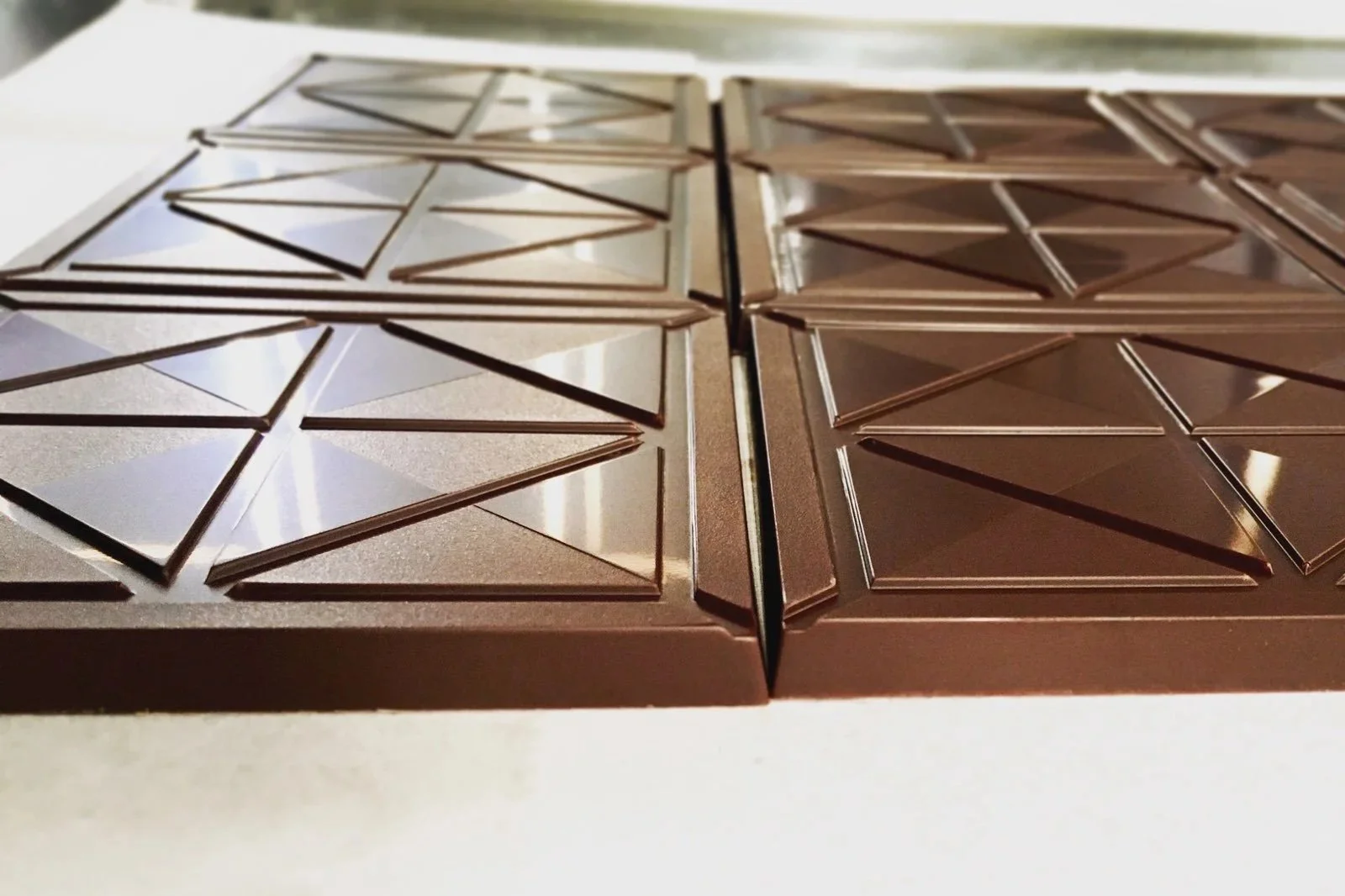
Each 9th & Larkin bar is an exquisite example of what fine single-origin chocolate is all about. Image courtesy of 9th & Larkin
I usually recommend customers have a glass of warm water to cleanse the palate when they try multiple bars or after having a meal. When we try something new—whether it's a test batch, a new origin, or a new bar—we taste it in the morning when our taste buds are still fresh and sharp. We sometimes enjoy our bars with whiskey, or tea. But there is no right or wrong way to enjoy a chocolate bar as long as you like it.
What would you say to those who don't taste the same flavour suggestions on your bars as you list. Do you have any tips to help them enjoy your bars?
We usually don't include tasting notes on our bars, as each individual may taste something different based on their taste buds, so we prefer to leave the experience open-ended. The only thing that matters is that the customer enjoys the chocolate.
What is the best way for people to reach you? Follow you? And where are you able to ship your bars or have them available?
We only ship within the US, for destinations outside the US, they should probably reach you [SOC]!
Purchase 9th & Larkin fine chocolate bars here!
Speaking of SOC, you can find a range of their bars here in the online shop. It’s always best to enjoy two distinct origins and contrasting flavour profiles to really appreciate how unique the profiles are. Enjoy them with a glass of hot water or even tea, as Lan and myself also enjoy their chocolate.
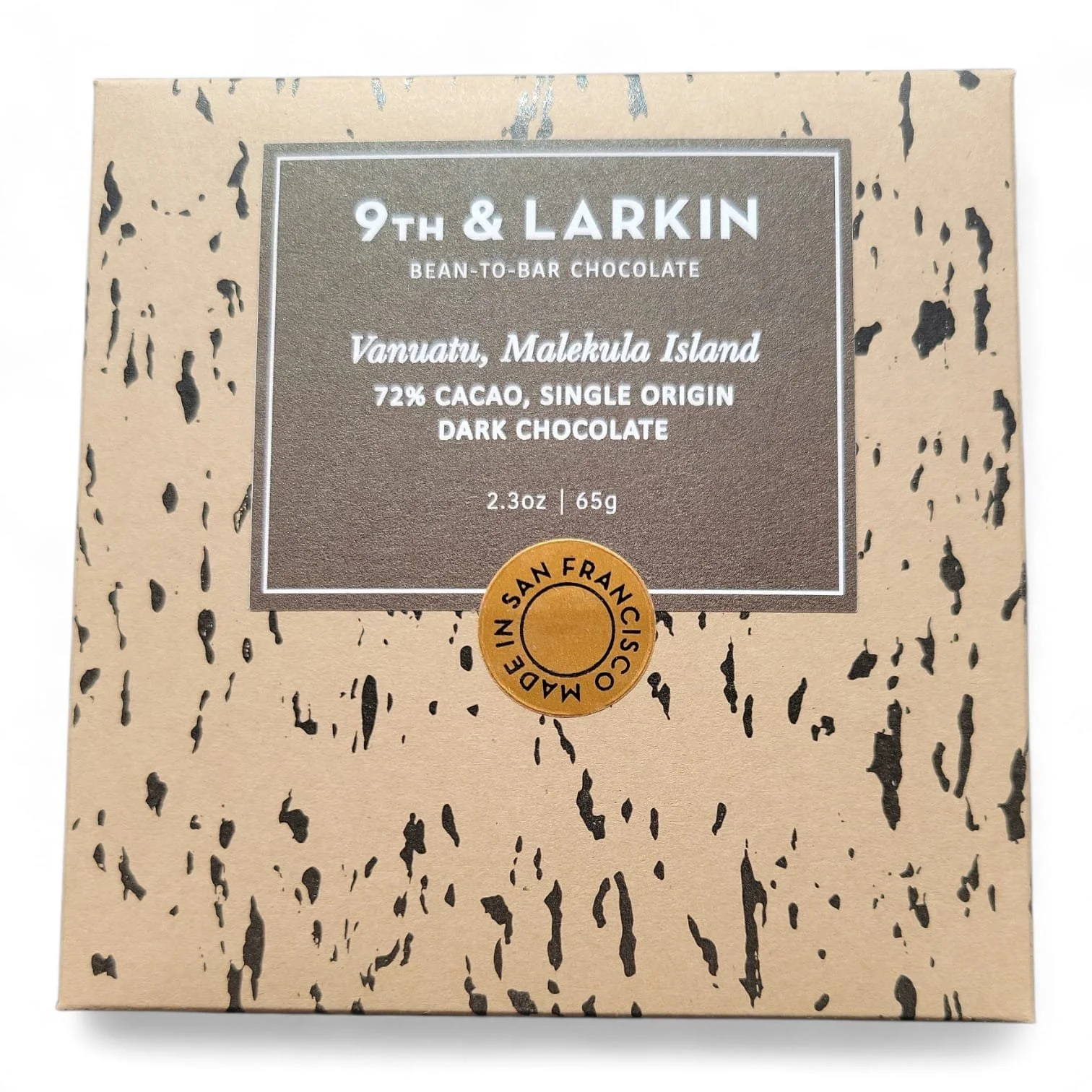
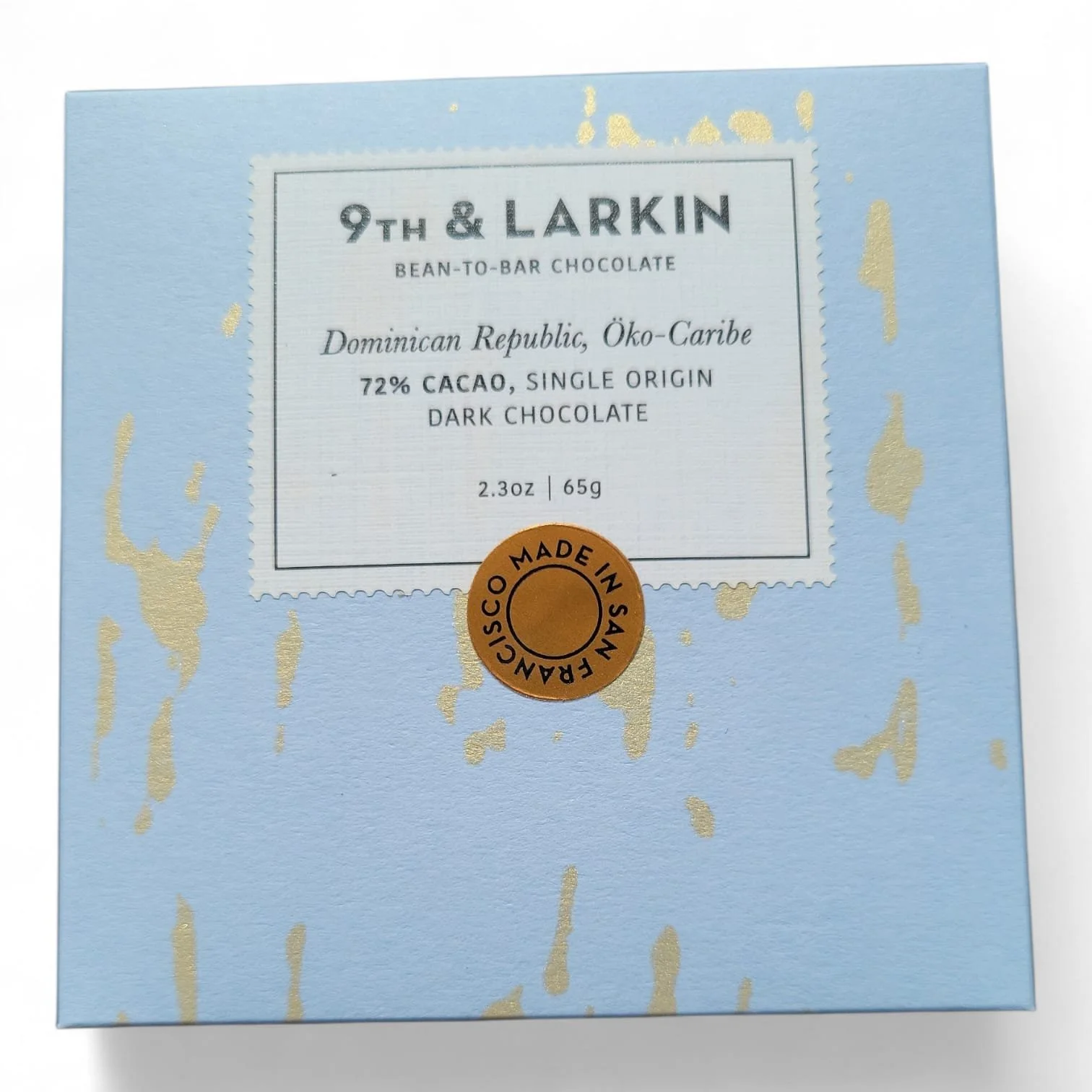

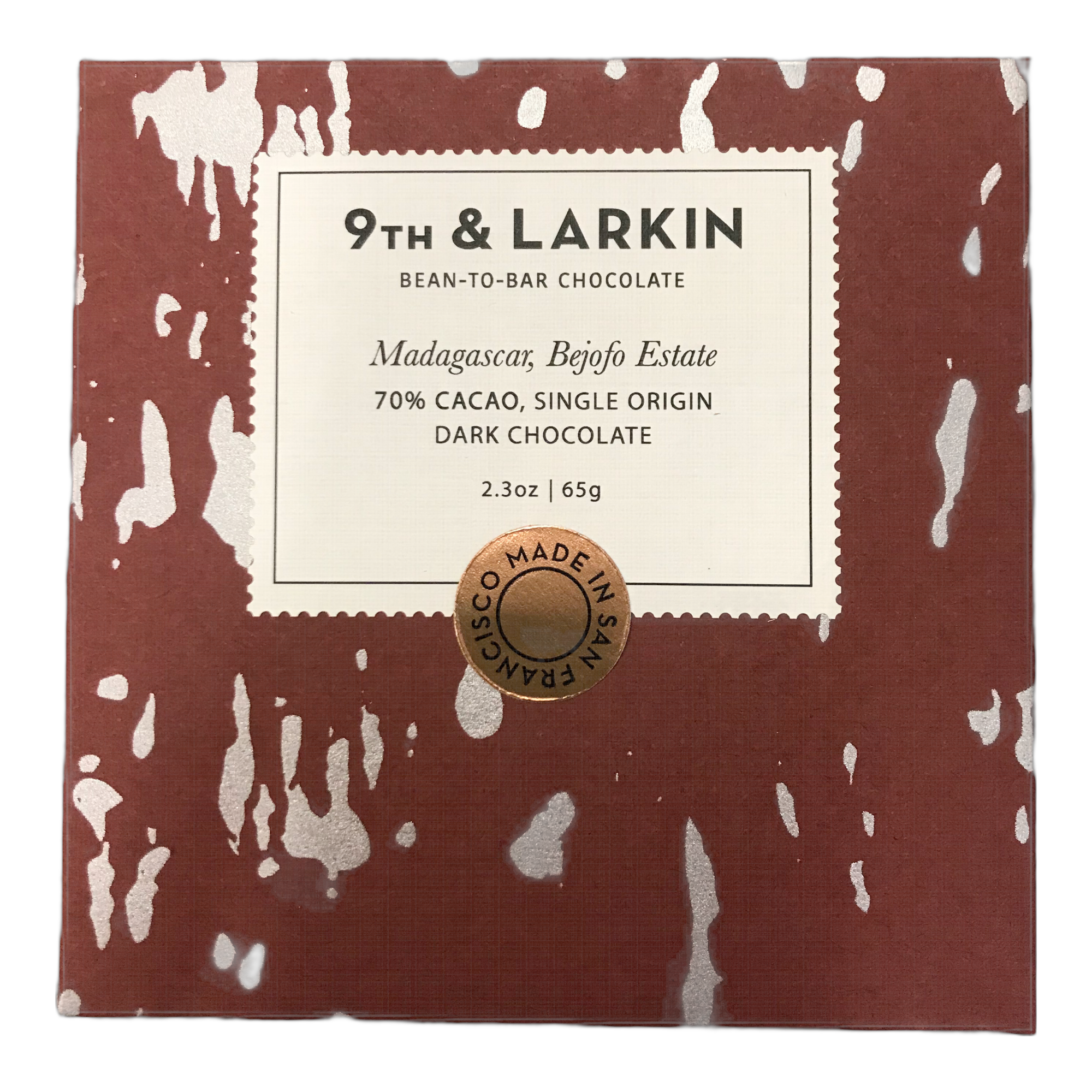
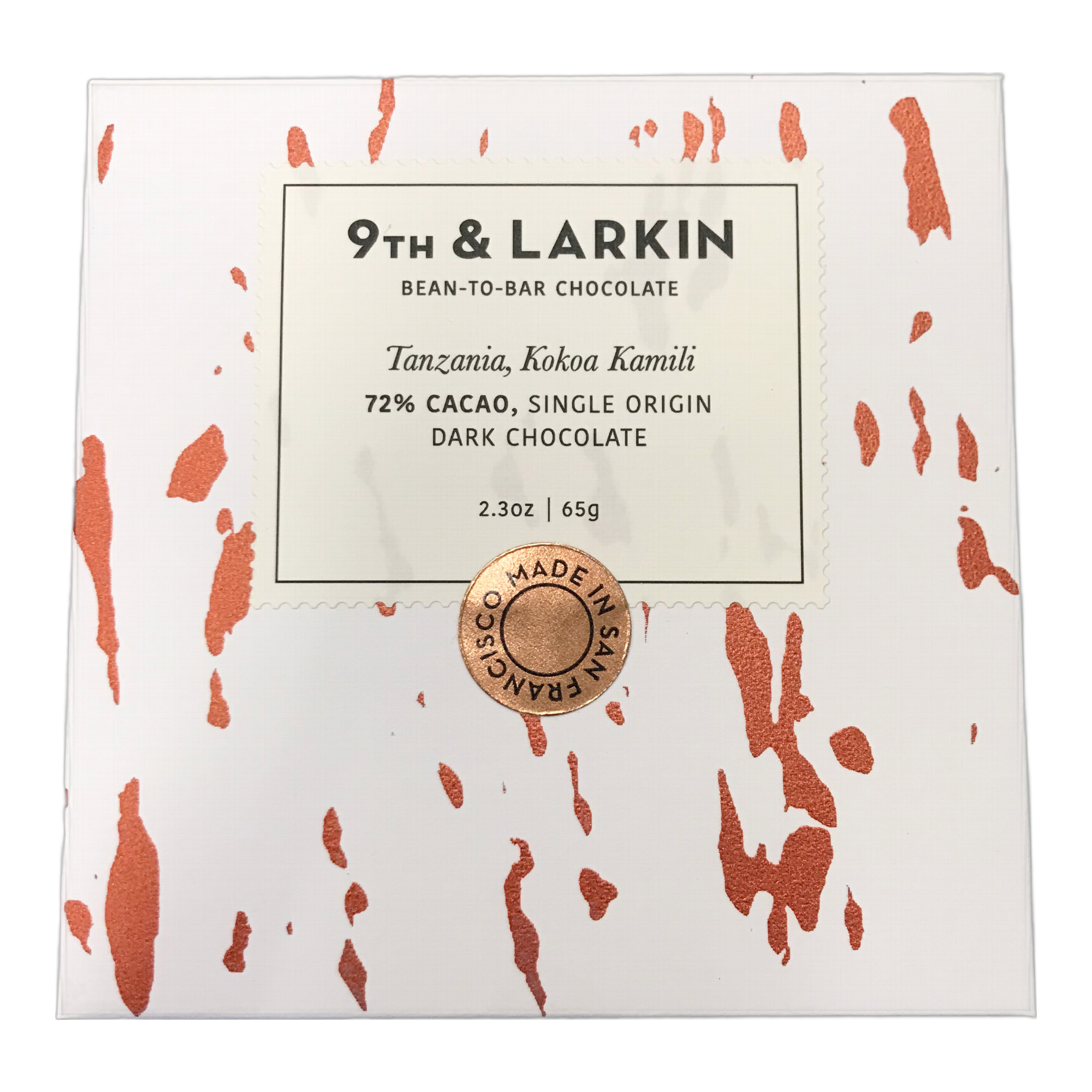
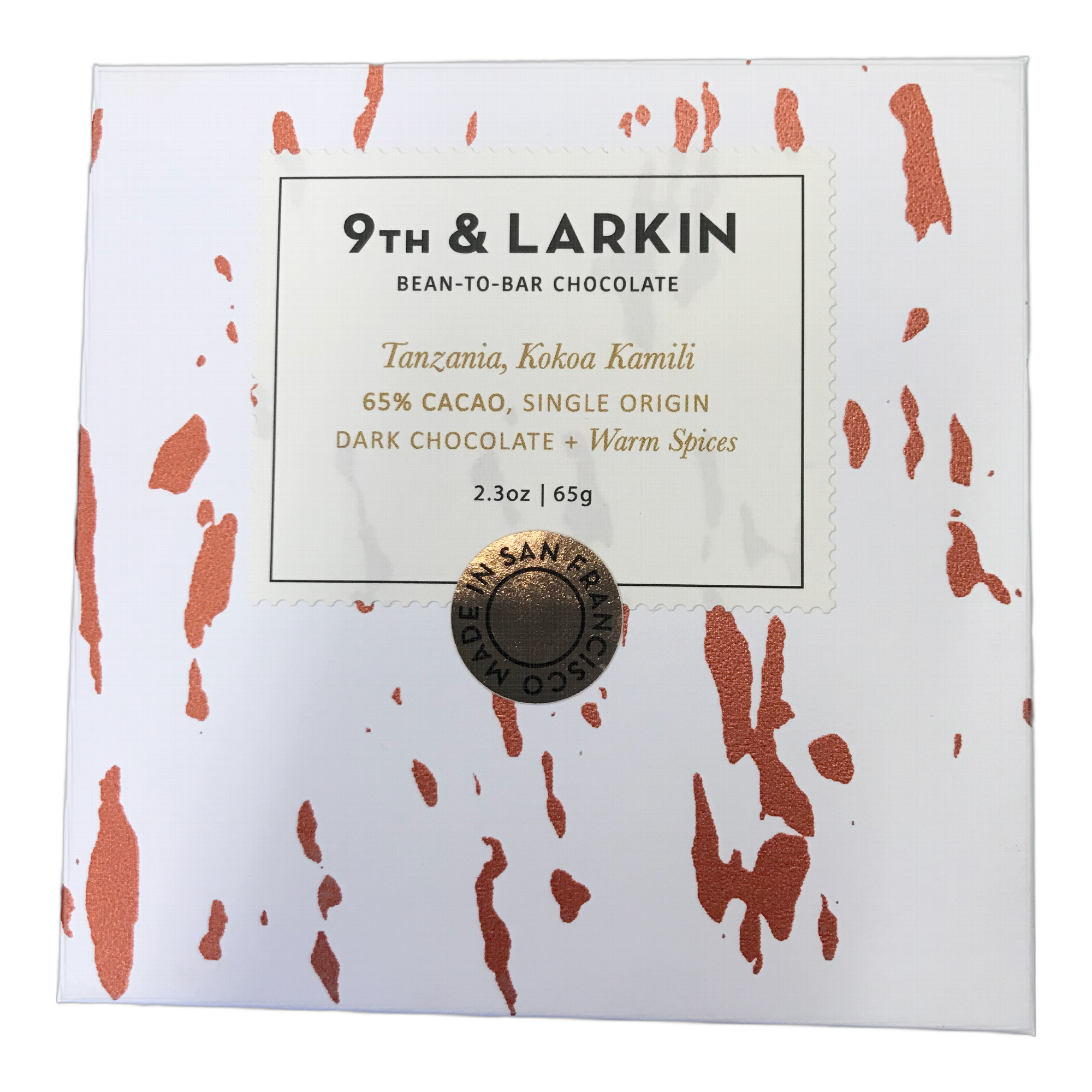
Maker Origin: 9th & Larkin is based in San Francisco, USA.
Made with cacao from Tien Giang, Vietnam
Ingredients: Cacao Beans, Cane Sugar, Cocoa Butter.
Suggested Flavour Notes: Nuts, Spice, Hints of Persimmon. Others suggest notes of Vietnamese coffee in the backdrop with a dark woody aftertaste.
65g (2.30 oz)
Zoom in photo to read more details.
Looking for better deals on chocolate bars? Check out the Gift Boxes! A random selection of bars, as well as other helpful chocolate tools & products.