Working With Chocolate 101
What is a chocolatier?

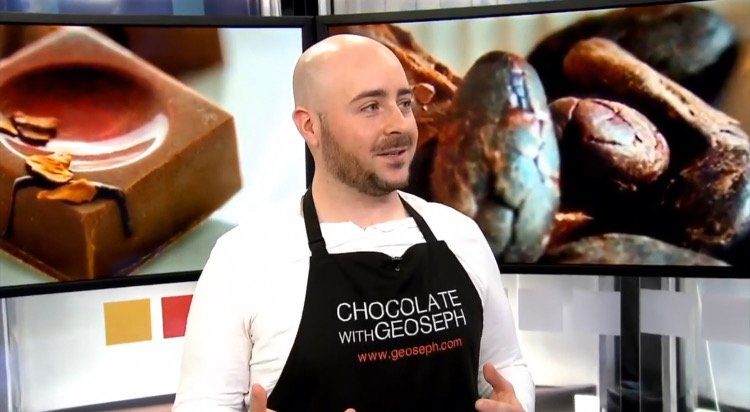
A chocolateir is what you are most familiar with. Most chocolate shops in the world are run by chocolatiers. This is someone who specializes in working with chocolate. The main difference from a chocolatier versus a chocolate maker, is that the chocolatier doesn’t work directly with the cocoa beans. They don’t actually make the chocolate itself. They purchase chocolate already made (often called couverture), melt it down, and turn it into all sorts of creations such as molded into bars or figurines, truffles and bonbons, and other chocolate confections.
Chocolatiers make their own chocolates and chocolate products, but they don’t make the actual chocolate itself from the cocoa bean. Those who make chocolate from the cocoa bean are what we refer to as “bean-to-bar” chocolate makers.
Chocolatiers have skills unlike culinary or pastry chefs. Chocolate is a medium in the kitchen like no other, and so many at-home chefs struggle with chocolate since the skills required are so specialized. However, it is possible to learn and hone in on these skills.
Welcome!








What do chocolatiers do?
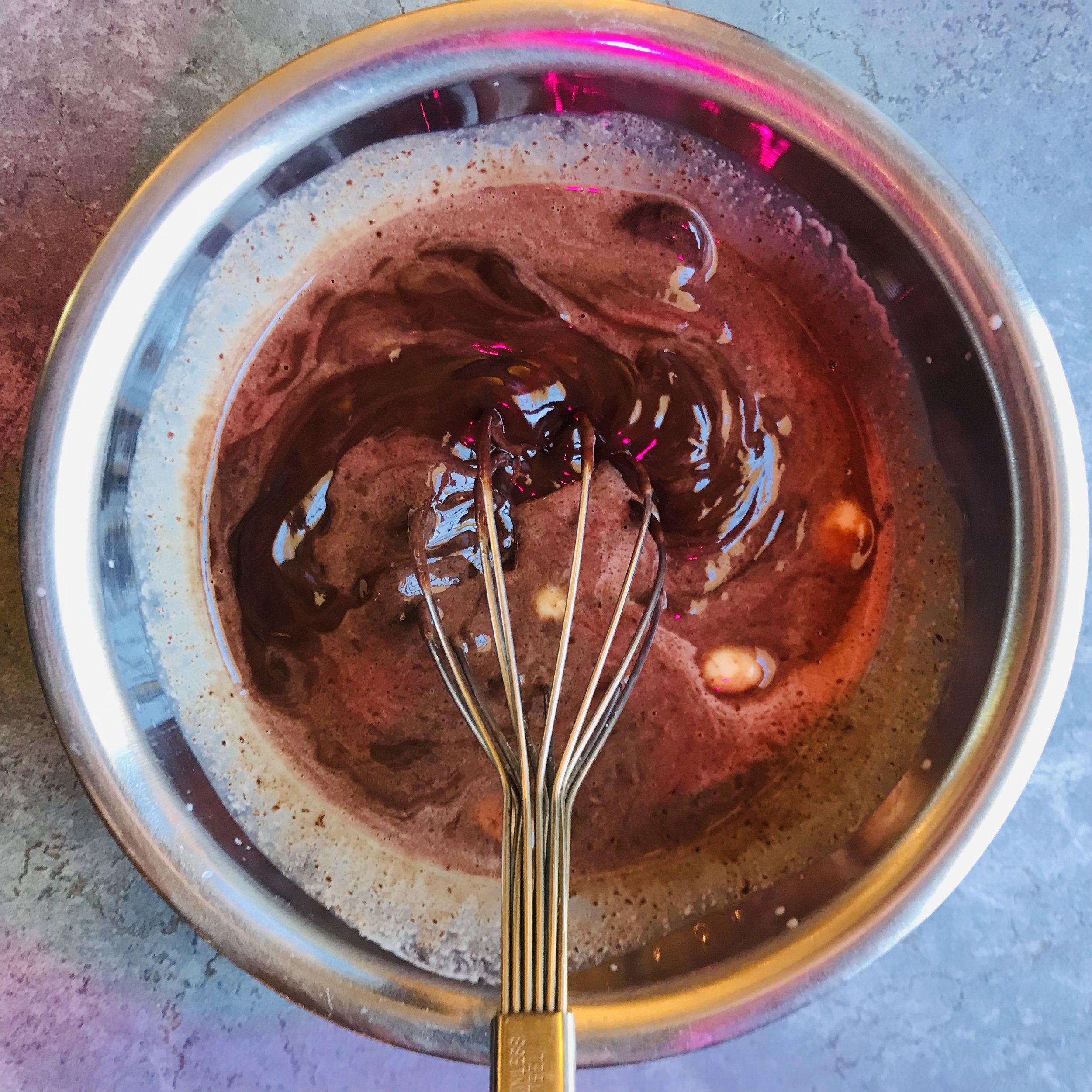
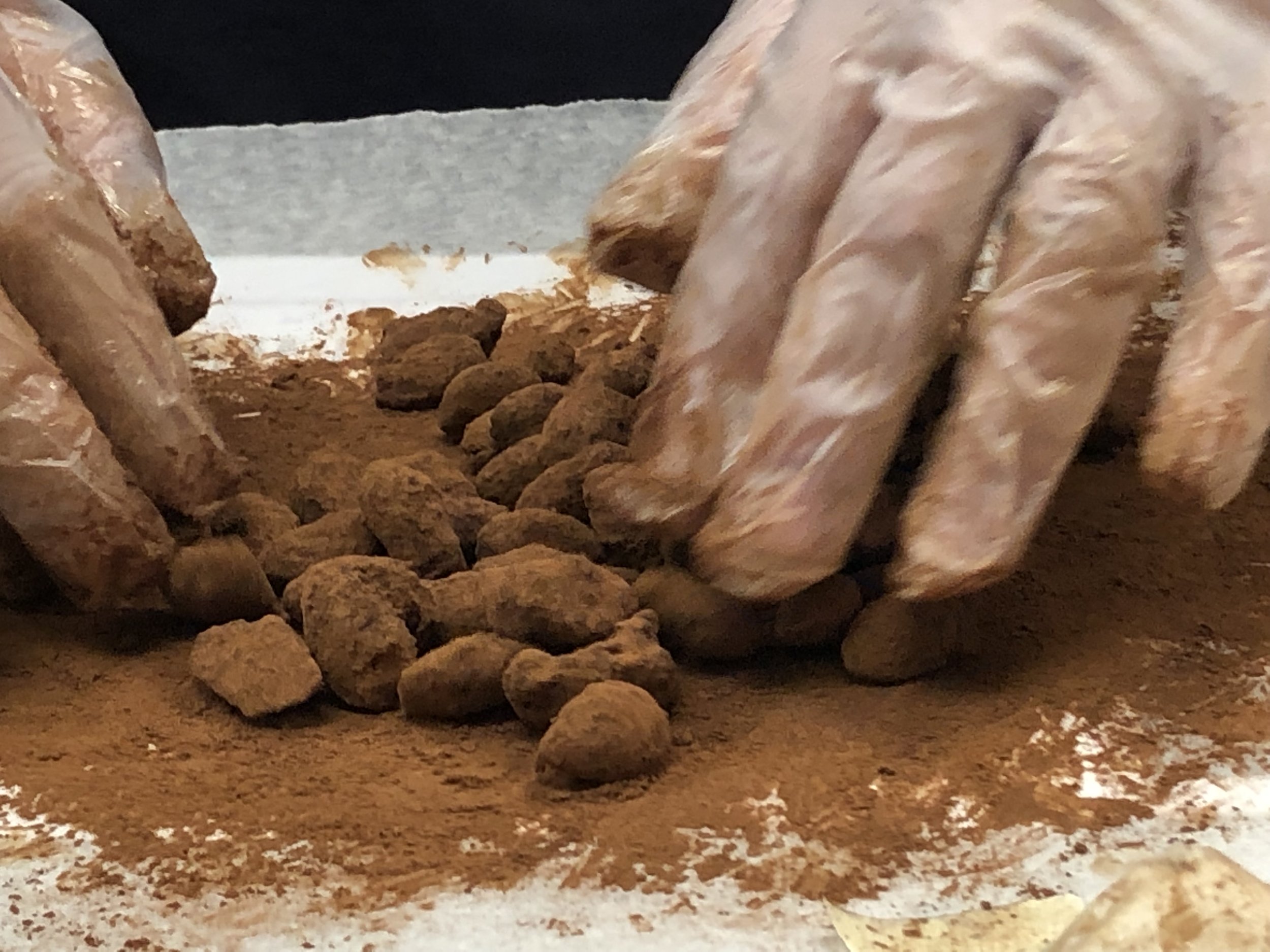
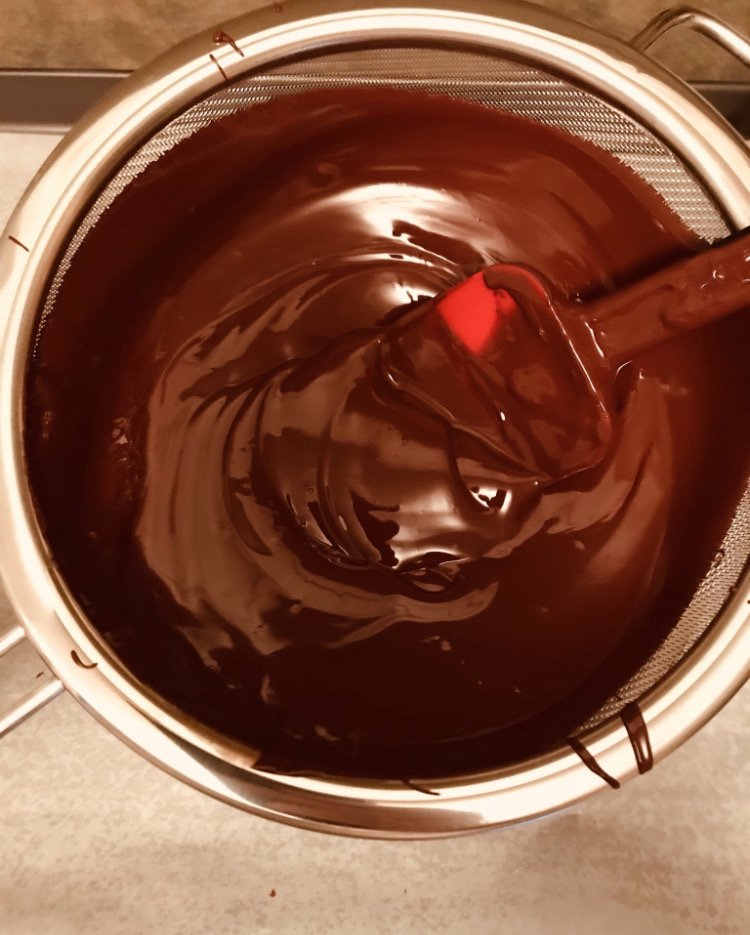
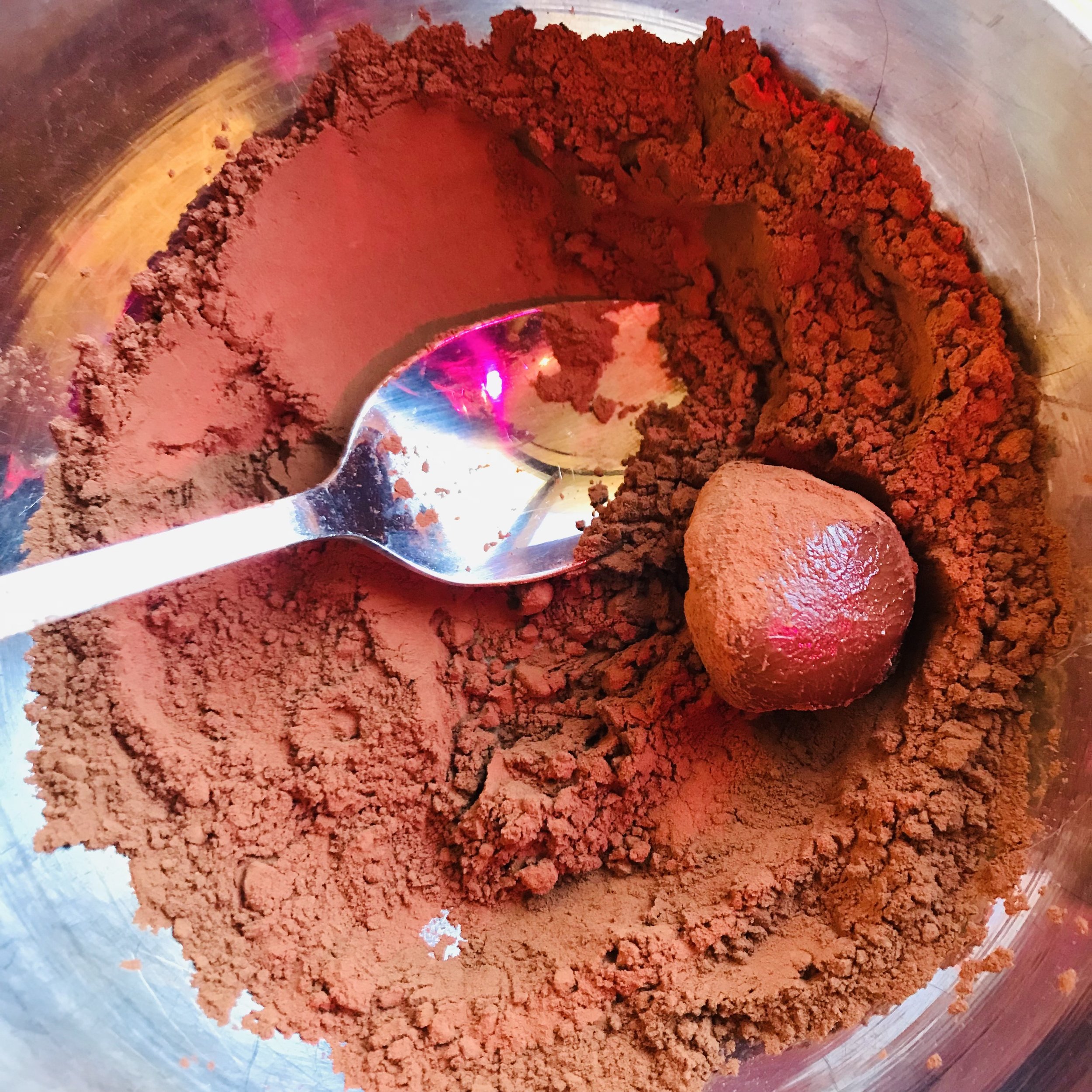
Melt down couverture (chocolate already made with generally higher amounts of cocoa butter) and shape it into bars, figurines, coat fruits and nuts, and produce a line of ganaches and filled chocolates
Chocolatiers make chocolates and chocolate products, but don’t make the actual chocolate. That is, they don’t source the raw material (cocoa beans) and grind it up into chocolate. That’s what a bean-to-bar chocolate maker does.
Most chocolate shops in the world are chocolatiers. Even the most renowned chocolate shops around the world are a chocolatier, not a chocolate maker. They don’t make chocolate from scratch. They have a certain set of skills that many chocolate makers don’t have which allow them to create beautiful, delicious, unique chocolate creations.
For beginners, being a chocolatier is generally easier than being a chocolate maker. I started off as a chocolatier, and I would say from experience this is true for most people. It’s also more cost effective to get into if you simply care about working with chocolate and creating chocolate products, but not necessarily feel the need to make chocolate from scratch (which is also wonderful and rewarding in its own way). It really depends on your purpose and goals.
+ Are chocolate makers better than chocolatiers?
Not at all. There is a range of expertise in both the chocolate making (bean-to-bar) and chocolatier spheres. Both can learn from one another. The main difference is that one is starting with the raw cocoa bean, and one is starting with already manufactured chocolate.
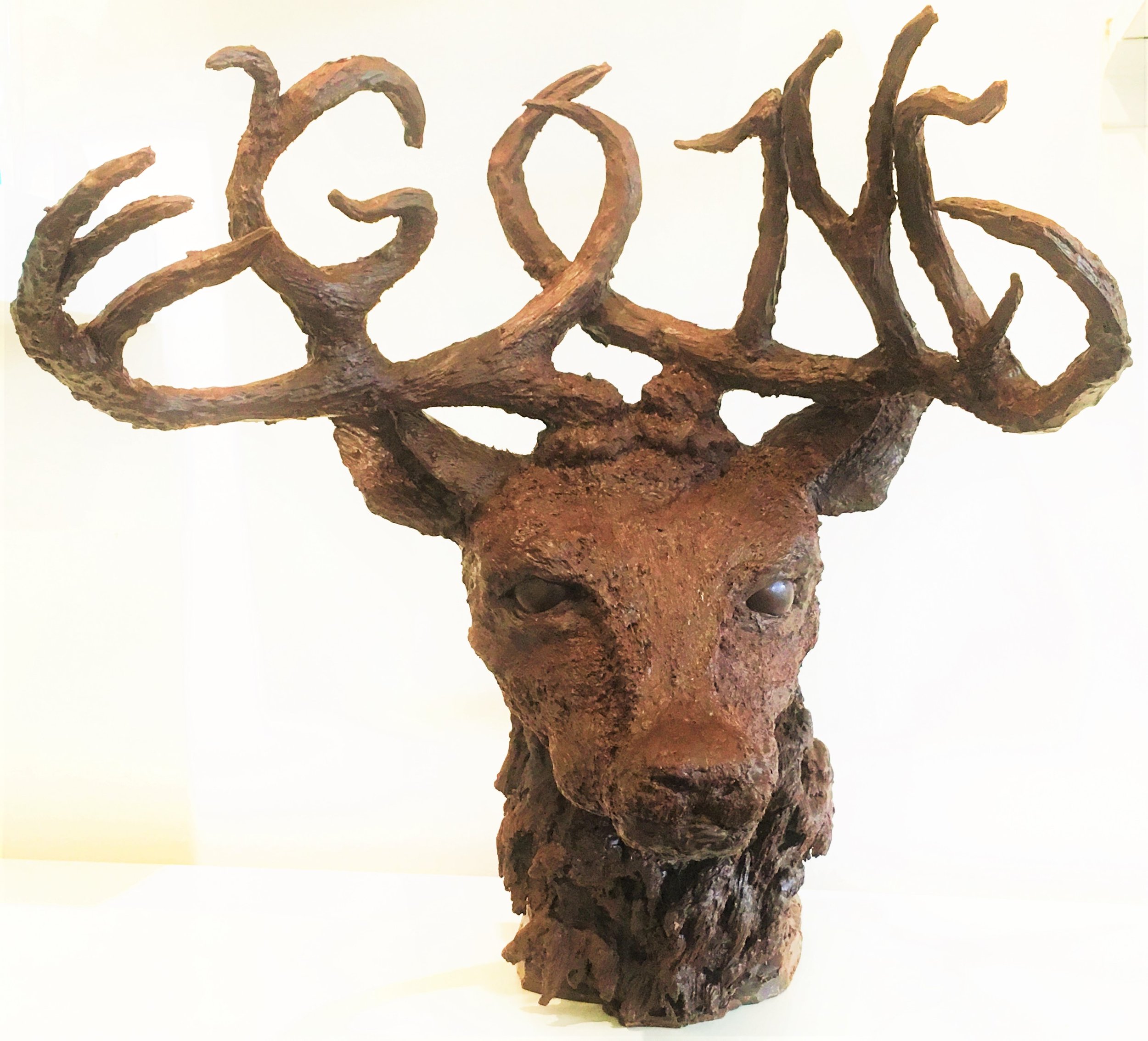
Chocolatiers require specialized skills such as learning how to temper chocolate, how to shape and mold chocolate, how to mix and finish off ganaches, how to colour and decorate bonbons and other products, how to create beautiful showpieces, and much more.
There is a gray area with chocolate makers and chocolatiers these days. There are some businesses who do both: make chocolate from the bean, and make products from couverture chocolate they didn’t make from the bean. There are chocolate makers who are developing their skills, and learning to use and work with chocolate that goes beyond simply molding it into bars.
Most people who start off working with chocolate are essentially working as a chocolatier. Melting chocolate down, tempering it, and using it to make truffles, bonbons, dip fruit, and shape into bars sprinkled with nuts and other inclusions.
Chocolatiers range in expertise. Some have machines that do most of the work, while others do most by hand, but most fall somewhere in between. Some are very skillful and uniquely talented, and some create more simple products. There are various unofficial levels and skillsets, none of which should be given too much importance.
+ Where can I learn to be a chocolatier?
Most people within the food industry actually learn on the job. Perhaps 1 or 2 weeks in their pastry program, but there are not many chocolate-only schools out there, especially in-person depending on where you live.
If you already have a culinary or baking/pastry background, I recommend learning on the job. This may not be available to everyone - but learning from an expert in the framework of a functioning chocolate kitchen will offer you the best and most practical tools.
Your next best bet will be to take in-person training if you can. Some culinary schools offer short or evening chocolate classes. I can't recommend any specific one - but it will likely be better than any online class.
Pre-recorded online classes are a hit and miss. Even the best one is no match for live or in-person training. I wouldn't recommend any online pre-recorded classes that are unreasonably expensive. It's not worth it. There is a great deal of free online videos and content online today. But if you prefer the framework of a course, you can try these as well.
Whether you took an in-person training course, learn as-you-go on the job, or took an online course, you can't learn everything in one place. This is why I offer online tutoring, not courses. Tutoring is more direct, efficient, and cost effective. It tackles exactly the task you require to master. I also offer in-person tutoring as well, but the online tutoring is more cost effective. The benefit of live vs pre-recorded is that it's the next best thing to in-person training. There is lots of feedback and guidance that you just are not able to receive when learning from online recordings.
Working with chocolate is a very unique skill very different from culinary and even baking and pastry. Don’t be too hard on yourself when you’re learning to work with chocolate, as it’s a food skill unlike any other. Be kind to yourself, don’t shy away from mistakes, and be patient. Consistency is key.