Chocolate Making 101
A chocolate maker is simply one who makes chocolate from scratch, that is, from the raw cocoa bean. They select, roast, and grind up the cocoa beans into chocolate. Click here to see a general overview of the process of chocolate making. A chocolate maker is different than a chocolatier.

Bean-to-bar chocoalte making can be as simple or complex as you like. The Science Of Chocolate offers free and practical information on how to make your own chocolate from scratch. Image by Geoseph.
It is a challenge to find reliable information on chocolate making. This is because the concept of making chocolate from scratch at home or small-scale is relatively new. Prior to the 2000’s it was virtually unheard of in most of the world. Today you have more chocolate making entrepreneurs popping up around the world! My goal in teaching has never been to be “right” but to be accurate, and that is achieved through sourcing peer-reviewed research and published text books. There is no one ultimate way to make chocolate, just like there is no one way to make bread. But on this site you will surely find the fundamentals to making chocolate well. The rest is up to you!
Welcome!
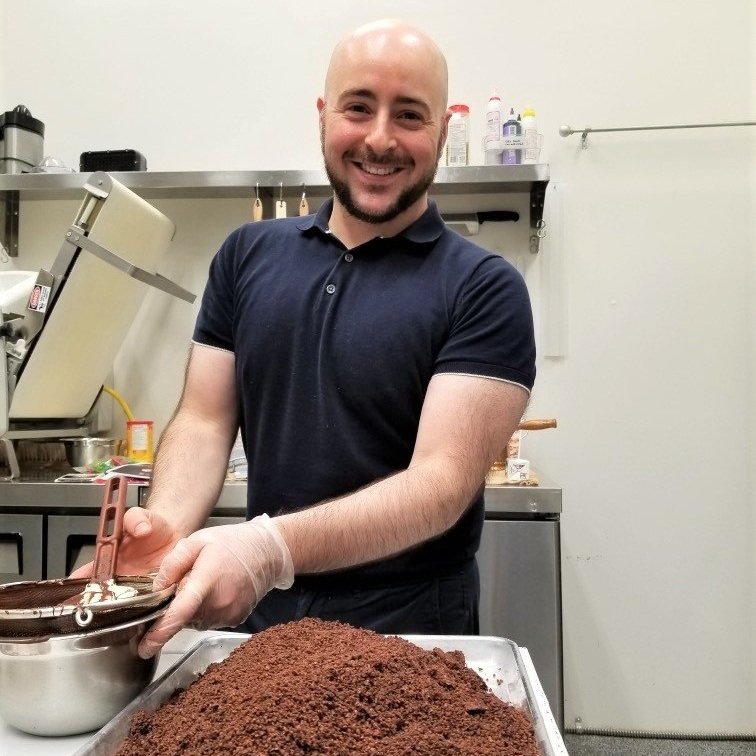

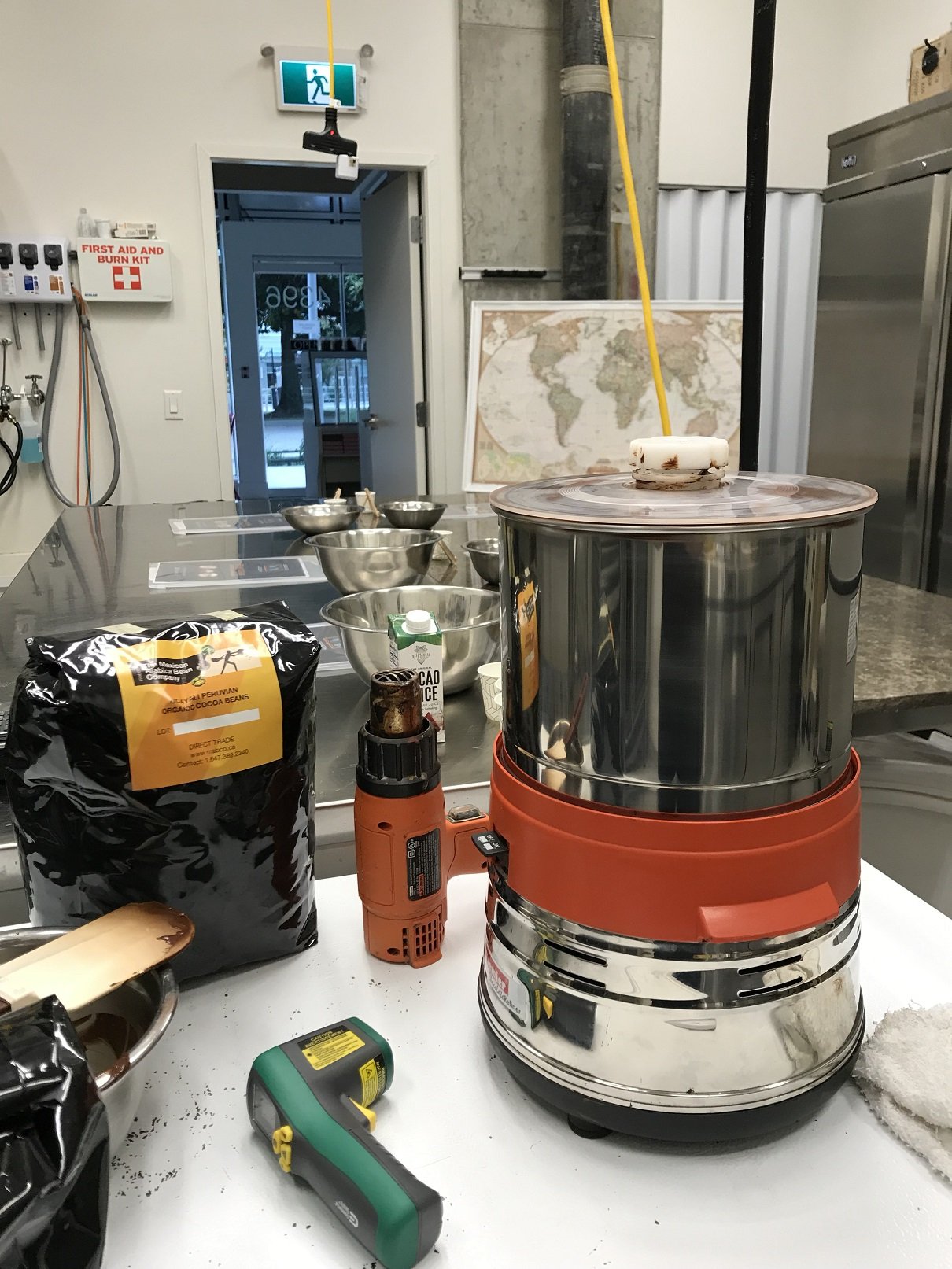
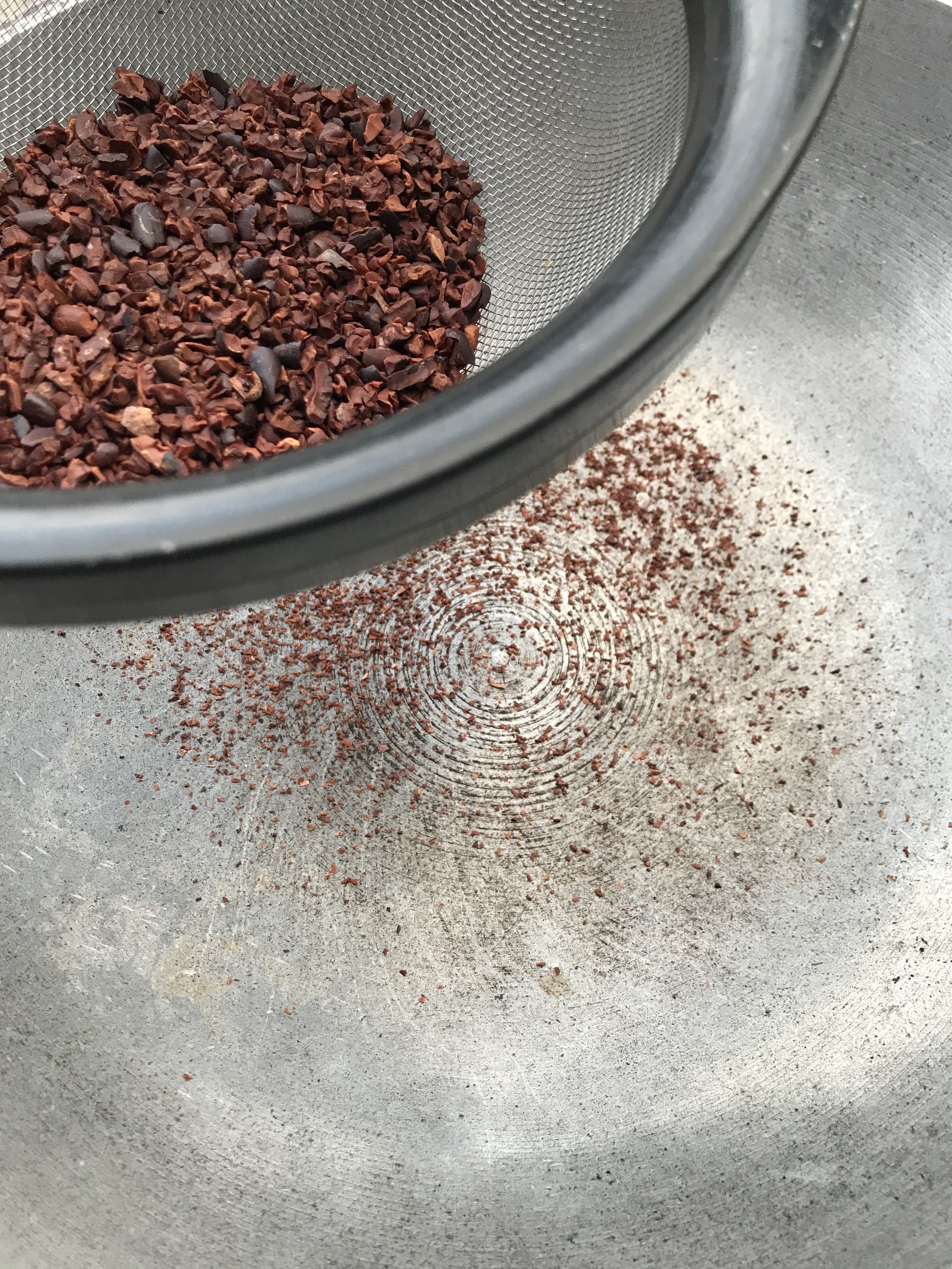

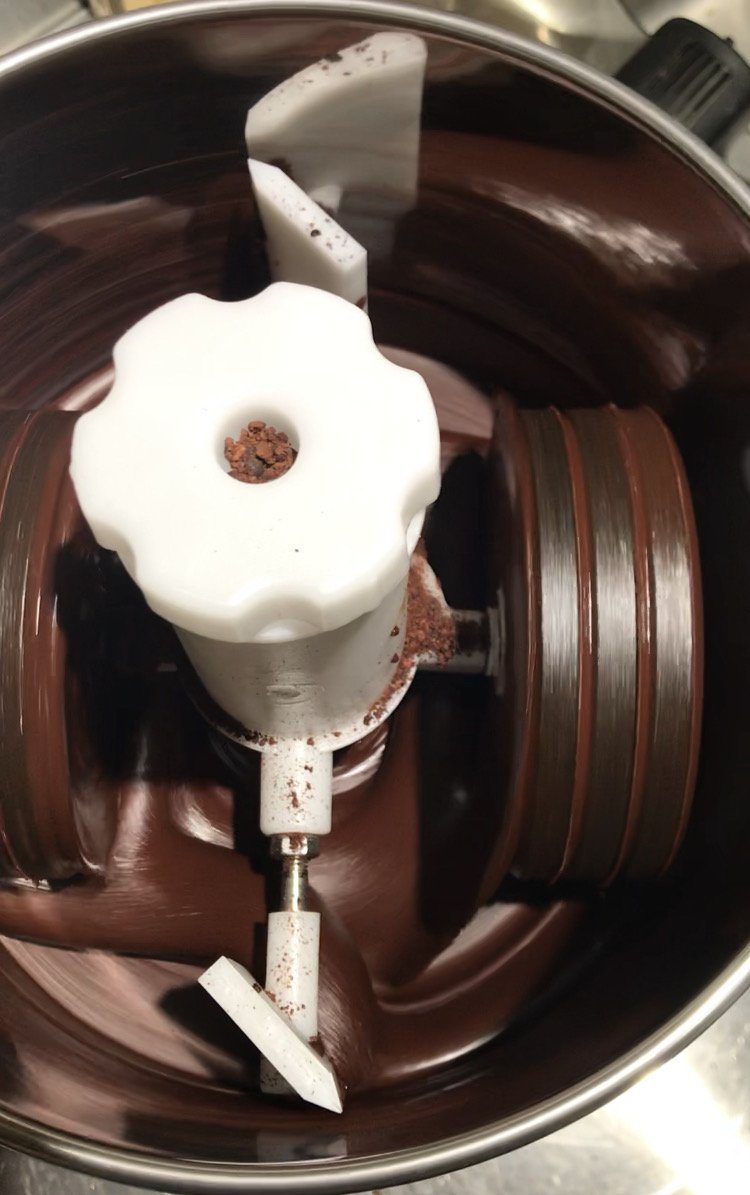
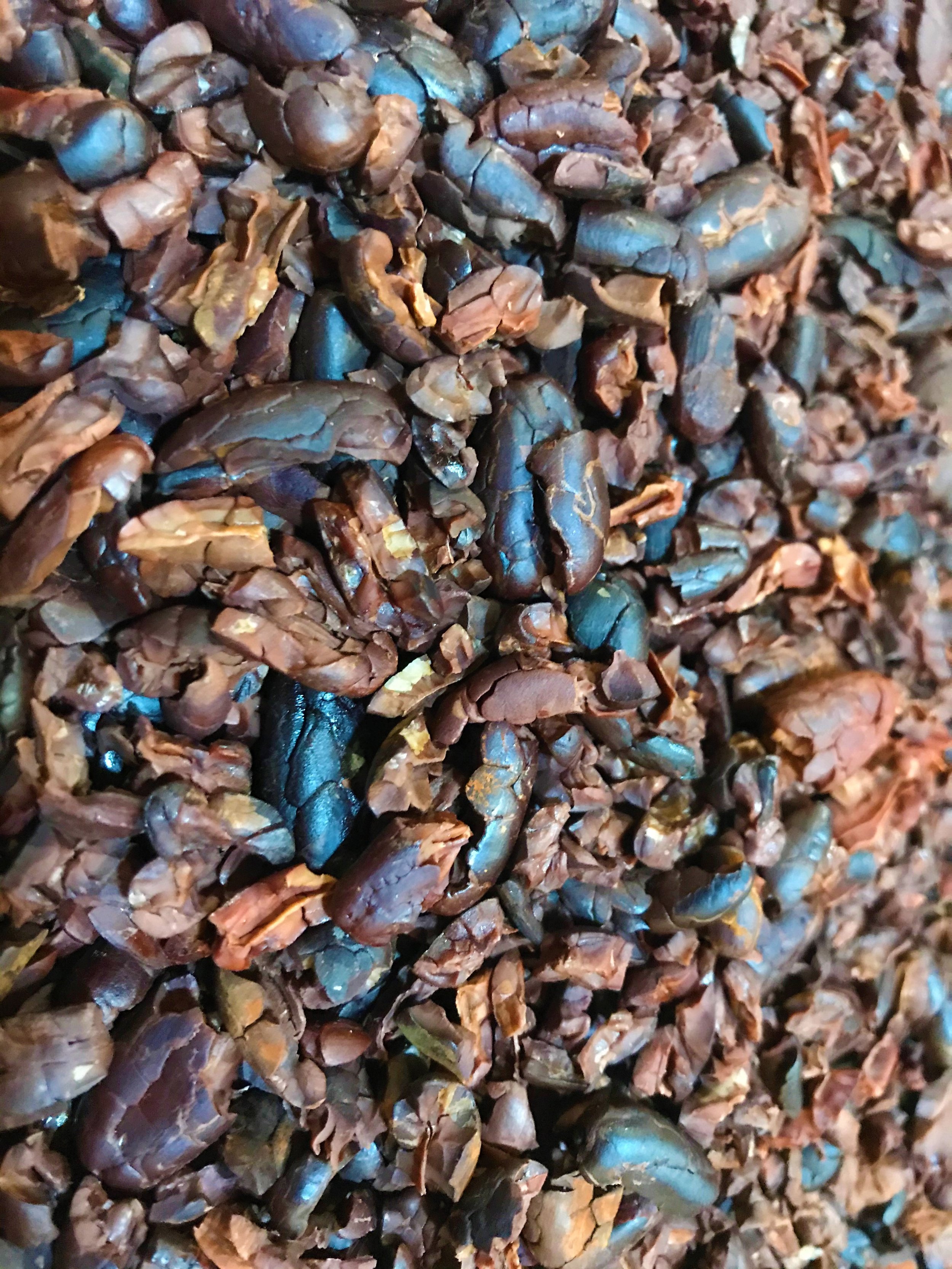
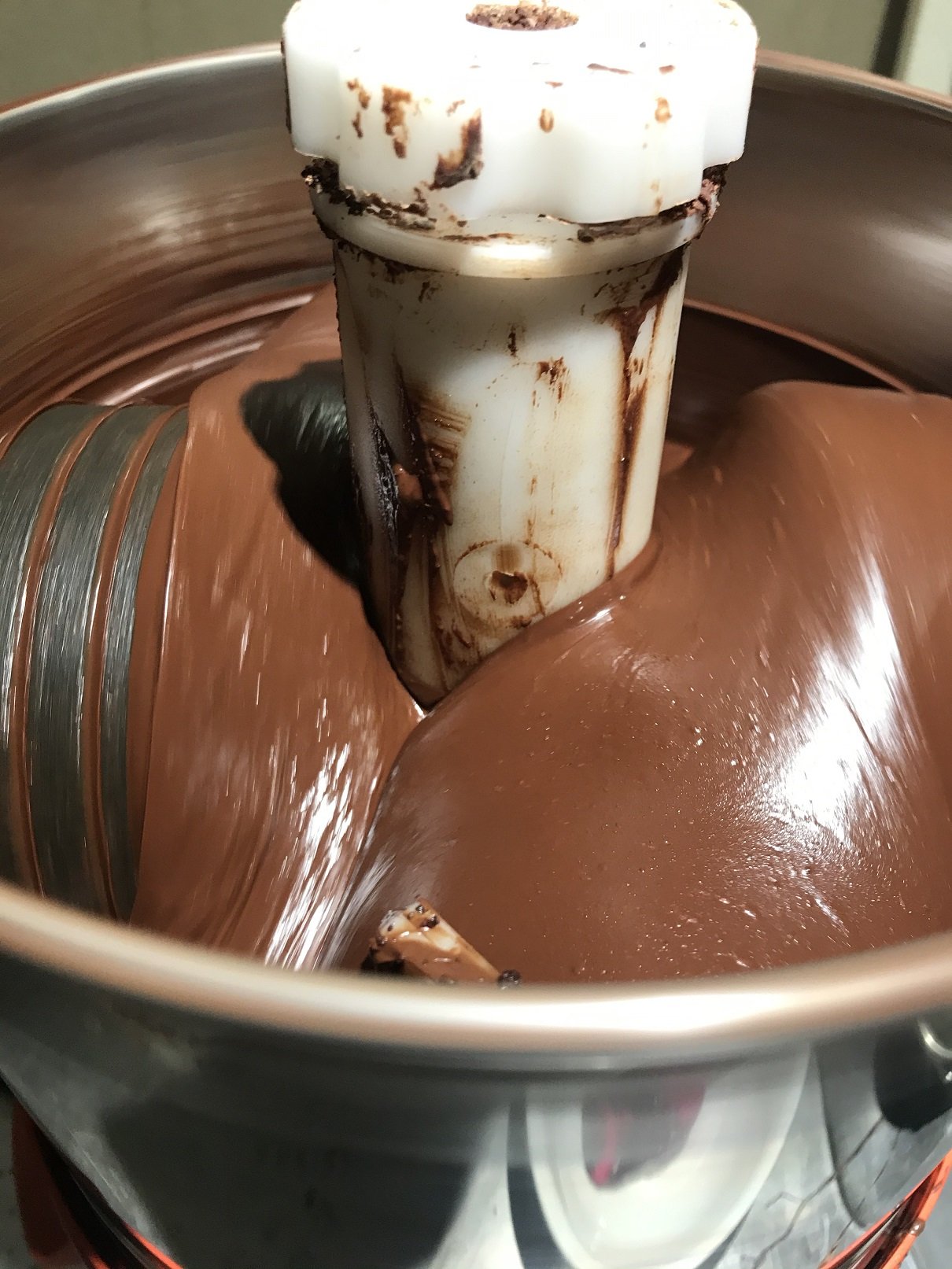
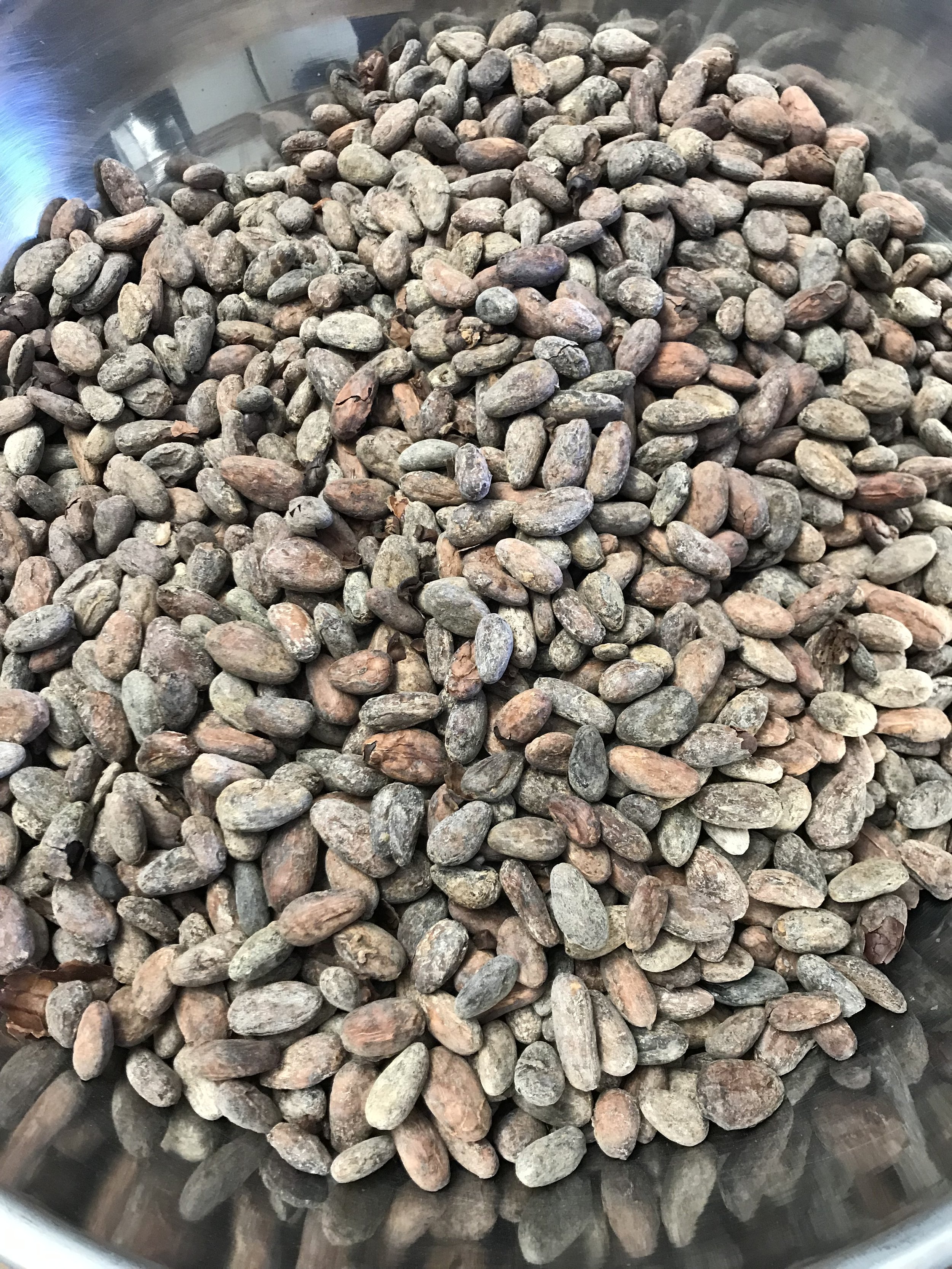
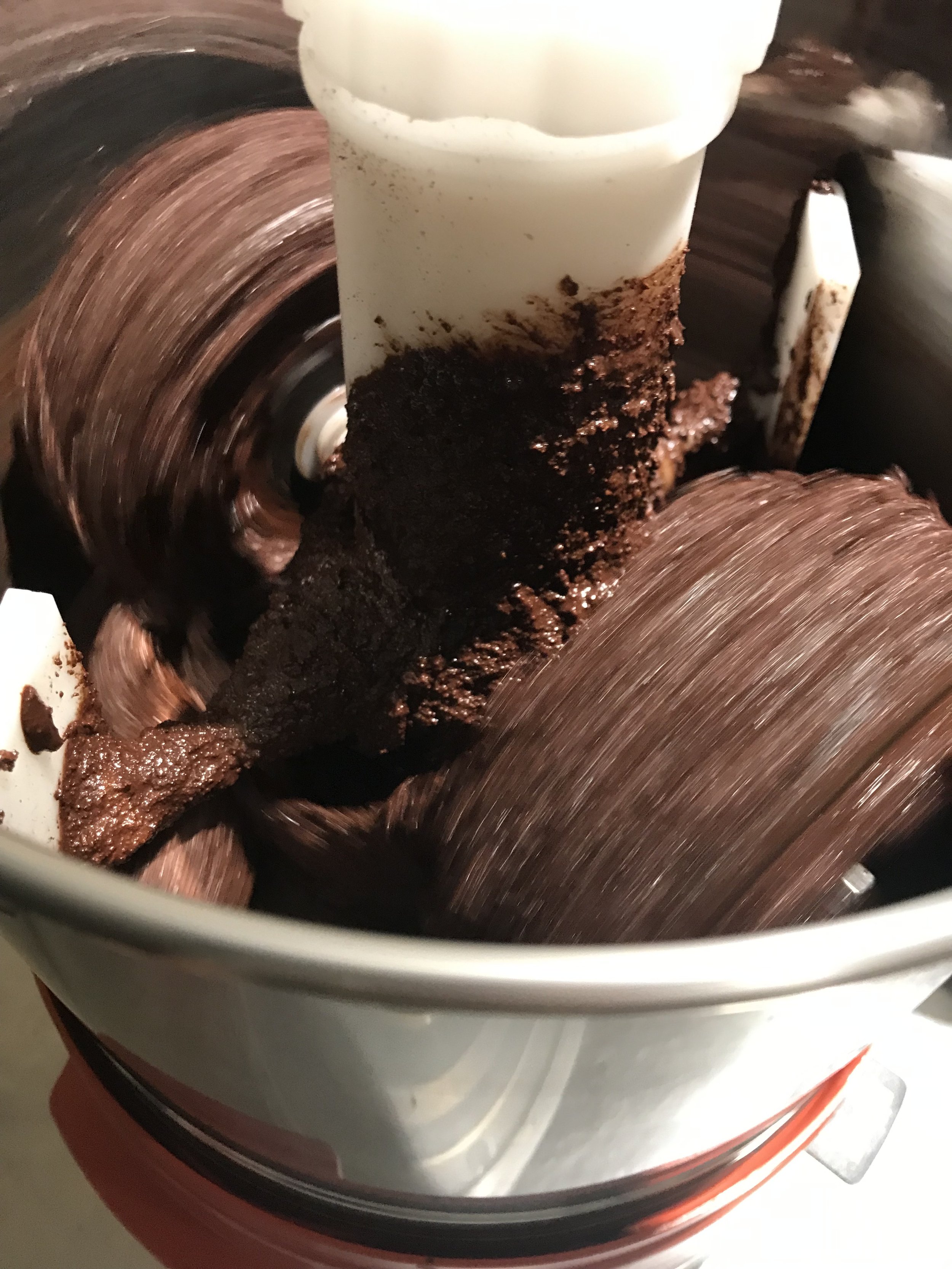
Hey there! Select a topic from the menu which is on the right (desktop) or bottom of the page (mobile).
+ What is a chocolate maker?
Most chocolate shops and businesses in the world are chocolatiers, not chocolate makers. Nearly all chocolatiers create products from chocolate that was already produced in bulk but a large-scale chocolate manufacturer like Callebaut, Cacao Barry, Valrhona, or Felchlin to name a few. They melt this chocolate, and then proceed to turn it into many wonderful and skillful creations such as truffles, bonbons, and figurines. It requires a great deal of skill and commitment to be an expert chocolatier. Then what is a chocolate maker? And how do they differ?
Although there is some overlap in skill sets between chocolatiers and chocolate makers, currently most small-scale chocolate makers produce chocolate from the raw cocoa bean which they roast, grind, and shape into bars. This is why they are also often referred to as “bean-to-bar” chocolate makers, to stress that their products are produced from the bean itself, not from ready-made chocolate as a chocolatier.
Chocolate makers vs coffee roasters
It may help to compare chocolate makers to other food manufacturers. For instance, chocolate makers are very similar in many ways to specialty coffee roasters (single-origin, unique roasts), who also source raw beans (coffee beans) and have very specific approaches to how they roast and grind creating a very unique coffee flavour and experience that goes beyond your traditional industrial coffee. Here just like fine chocolate, there is no "typical" coffee flavour.
Chocolate makers vs tea producers
Then there are specialty tea producers such as those found in China producing single-origin black, Pu-erh, white, oolong teas all tasting very unique yet produced from the same plant: Camellia sinensis. However, the methods of harvesting, crushing, drying, fermenting results in teas with very unique characteristics and aromas, none of which come from added flavours or ingredients.
Chocolate makers vs wine, cheese, and bread bakers
You can also compare chocolate makers this to wine makers who produce wine from grapes, cheese makers producing milk from a local farm, or bakers who mill their own flour. More chocolate makers also grow their own cacao as well! Adding even more expertise and dedication to the craft.
Chocolate making is fascinating, and there is far more to it than people realize. The good news is, chocolate making is also very approachable. And with some quality foundational knowledge, you can make delicious chocolate at home from the bean itself. It is very possible! So read on if you wish to learn more and tackle bean-to-bar chocolate making yourself. And if you need any help, book a bean-to-bar tutoring lesson to iron out some details and troubleshoot your frustrations.
+ What makes the information on this site unique?
You will find many bean-to-bar “experts” online these days, many of whom are simply social media influencers who do not know how to make chocolate themselves nor worked professionally in a kitchen. There are also some who can make chocolate and over embellish their knowledge and expertise. They often lack the fundamental knowledge one receives from reading text-books and primary research. Much of their knowledge is based on anecdotal evidence or whatever they gather from the social media influencers I mentioned above. Unfortunately this leads to a lot of unnecessary confusion when one tries to seek out how to make chocolate.
As well, there are very few good courses out there that teach the fundamentals of chocolate making. Some courses are, again, taught from those who don't have a professional background in chocolate making. In culinary schools, the teaches often have experience in being a pastry chef and/or running their own pastry business. In chocolate, this is most often not the case. Therefore, people rely on whatever they can gather from online forums or social media influencer posts with often misleading or not well informed claims.
This is why I created an educational website over a decade ago, due to the lack of quality knowledge that existed and still exists today. I saw a huge gap between what professionals and researchers understand and what most bean-to-bar makers and laymen understand. My goal is to bridge that gap, and make fact-based information on chocolate more available to anyone who wishes to sink their teeth into it (just like a good chocolate bar). I do not claim to be anything I am not. My goal is not to be right or to know everything, but to be accurate and factual with what I present. My research-based approach combined with my experience as a professional in the chocolate industry offers a unique and straight-forward way to learn about chocolate making. And like fine chocolate bars, without any unnecessary "ingredients".
+ I want to make chocolate, where do I start?
Right here! There is tons of information on this website. Check out the menu, explore the blog posts, read recommended books, and book a tutoring if need be. It's a lot to take in, but at the same time, it's not as complicated as you may think.
You can start with simply purchasing a table-top melanger for a few hundred dollars, sourcing some great cocoa beans, and go from there. Most of what you need you already have in your kitchen.
Another strong recommendation is, try the chocolate made by other makers. It surprises me how many people wish to make bean-to-bar chocolate without trying the chocolate of other small-scale chocolate makers. I think they don't realize that this chocolate is quite different from the chocolate you're used to. And making it from the beans at a small scale, results in something very different from the chocolate produced by large manufacturers who pump out tons of chocolate a day.
Check out my app which locates all the craft bean-to-bar makers around the world, find ones in your neighbourhood, or purchase some bars from this website (try a beginner bar set). Get to know what's out there, pay attention to the beans they use, then delve into making your own.
+ How can I know the difference between a good or bad chocolate maker?
Generally, a well-made fine dark chocolate bar has depth of aroma (not just a typical cocoa flavour), low to now bitterness or astringency, and a nice melt and texture. However, I say this with hesitation because there are great chocolate brands that push the boundaries of our expectations, so it's important not to be too rigid with your criteria if you wish to enjoy the world of fine chocolate.
Small-scale bean-to-bar chocolate making is quite an endeavour, with a great deal of dedication and often risky returns. Usually these are also synonymous with sourcing fine flavoured cocoa beans that are most often than not ethically sourced and grown. Therefore, in my opinion I would say most are doing a fantastic job. Some new makers are doing a great job from the start, and some need a bit more time to "ripen". But most of them are creating lovely chocolate in different styles. And it's the style you should be most concerned with.
Also, we're talking about entrepreneurs doing something unheard of. So support them! Support your local chocolate makers either in your city or country, before trying to "find" the best somewhere overseas. Most countries have some fantastic bean-to-bar makers nowadays. You can use my map to try and locate them. Try them with an open mind (remember this isn't always like the chocolate you grew up with) and if you enjoy it, continue to support them and share their chocolate with friends and family.
When it comes to fine foods, there are criteria used to understand and compare qualities. However, there is also a great deal of mediocre makers getting far more recognition than they deserve due to being in the industry longer, having greater marketing power, or rubbing shoulders with the right people in the industry. The cream doesn't always float to the top when it comes to fine chocolate. And the current situation of chocolate awards does not to a great job of highlighting quality craftsmanship. They are mostly just a badge of honour stating "this chocolate is not terrible", but do not really distinguish past that. Besides, you have the ability to discern quality. All you require are a few of the right tools and dedication.
So what I recommend is, try out your local makers first, try other makers, and begin to compare based on your standards. Ask yourself what you like, what you don't like about specific brands or bars, and develop your palate.