Chocolate Making 101 - Cacao Sourcing
Many new makers think of cocoa beans (AKA cacao beans) like all purpose flour for baking. That it’s a pretty standard ingredient. However, making chocolate from scratch is not like that at all. The “standard” cocoa bean that exists, which is used by all the major chocolate manufactures in the world, is not a distinctly delicious bean on its own. The result is a very standardized flavour of dark, milk, and white chocolate. But chocolate is much more than this - especially when using single-origin, single-farm, and other unique batches of cocoa beans.
So for this reason, you can’t simply buy any “organic” cacao you see online or even at a local shop in Mexico City or Manilla. You don’t know what you’re getting. Most of those beans fall under the more typical “standard” or “bulk” cacao. If you’re new to chocolate making, you need to find reputable fine cacao suppliers and start there. It will make your life a whole lot easier to start with beans that would result in a more favorable product.
Below is some information and some great resources on how to locate cacao suppliers near you!
Sourcing Cacao Beans
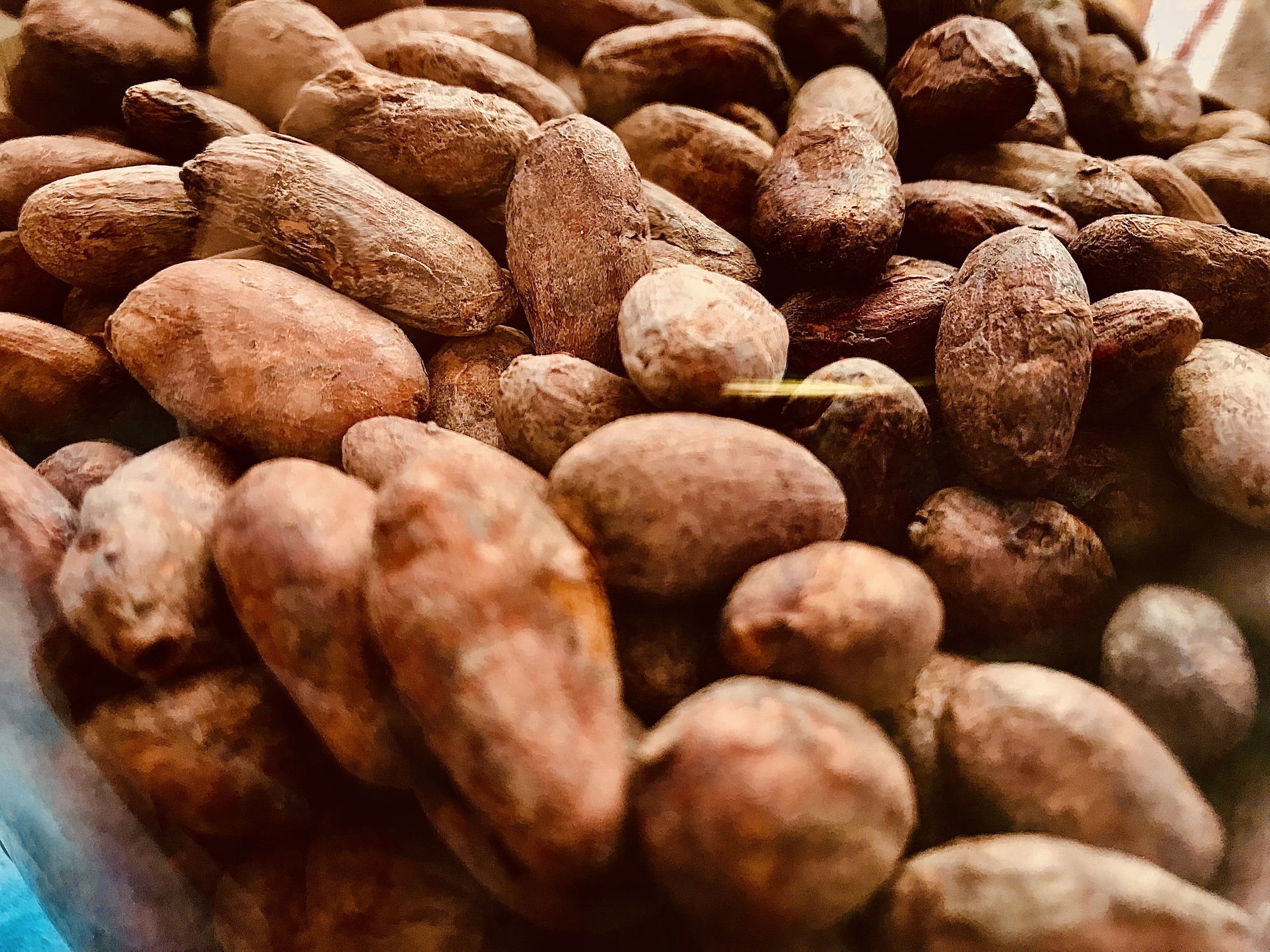
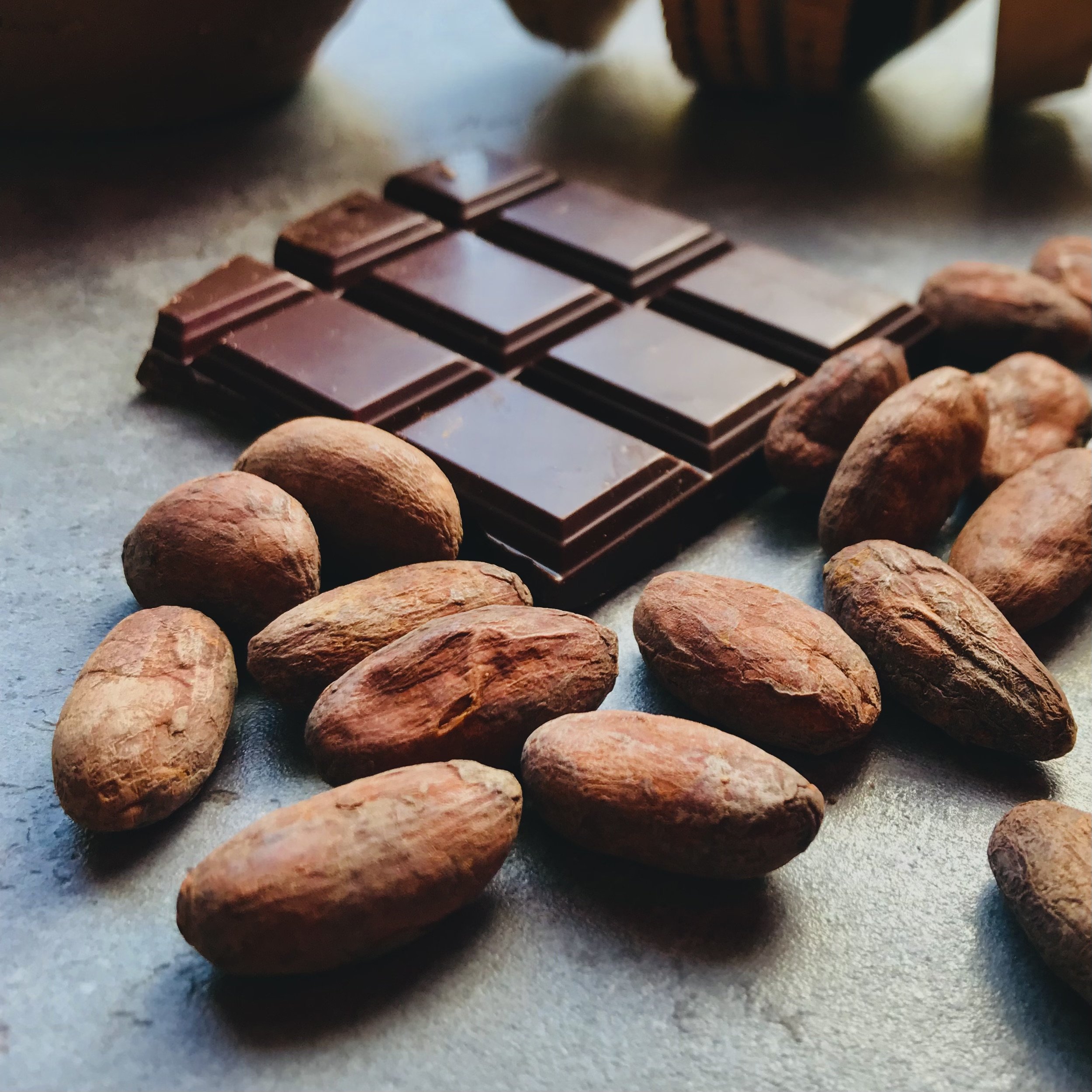
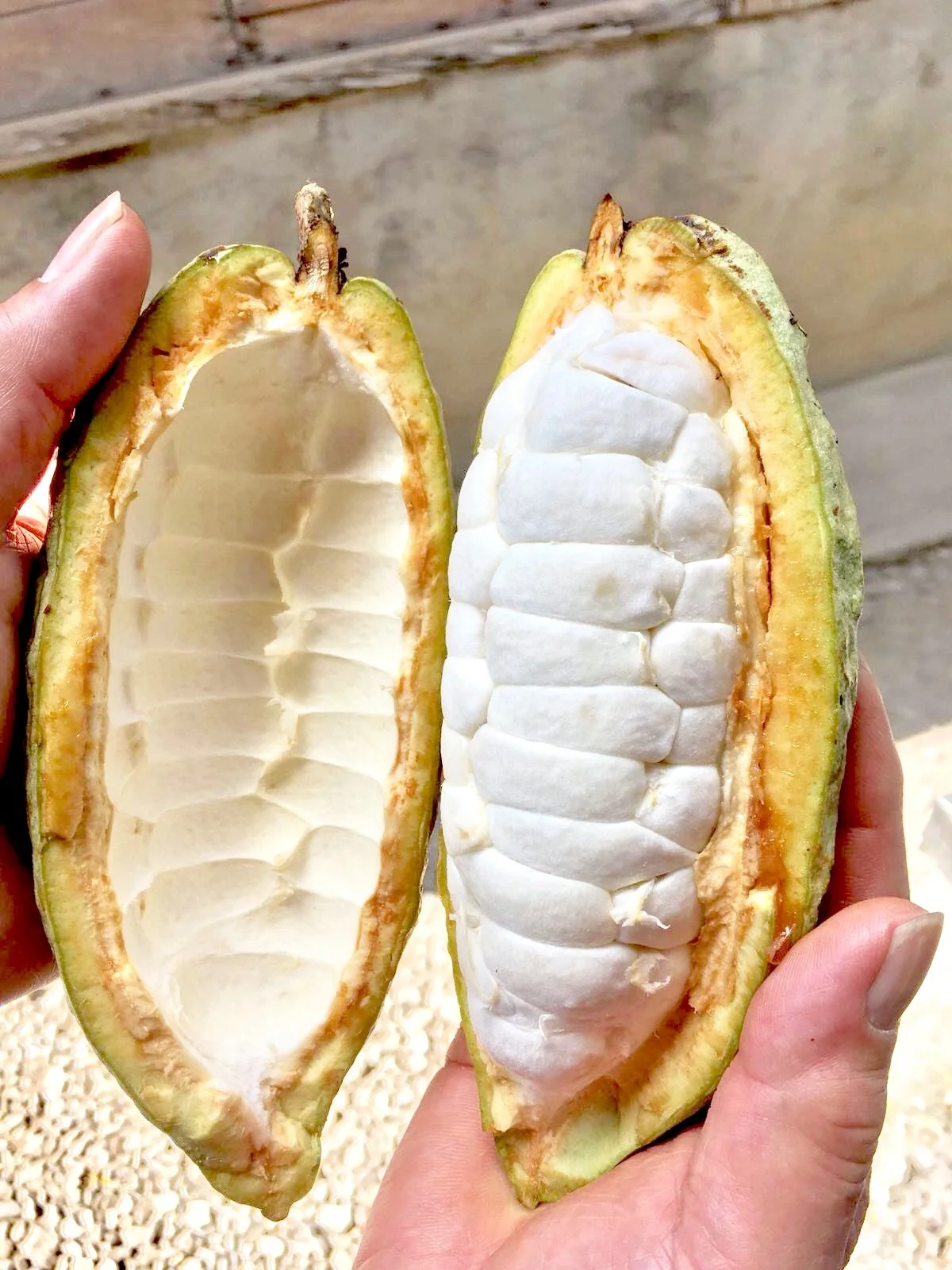
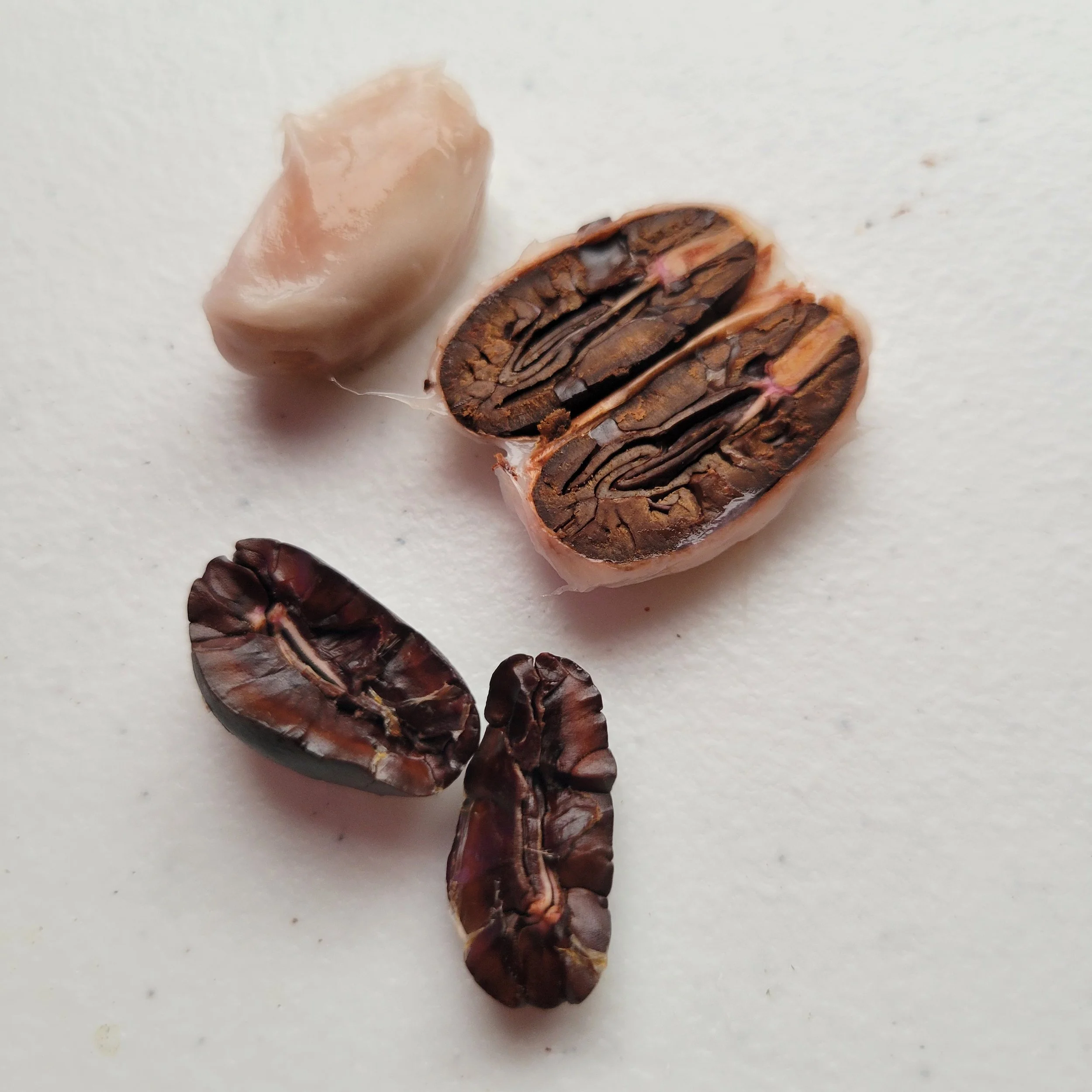

+ Variety doesn't matter.
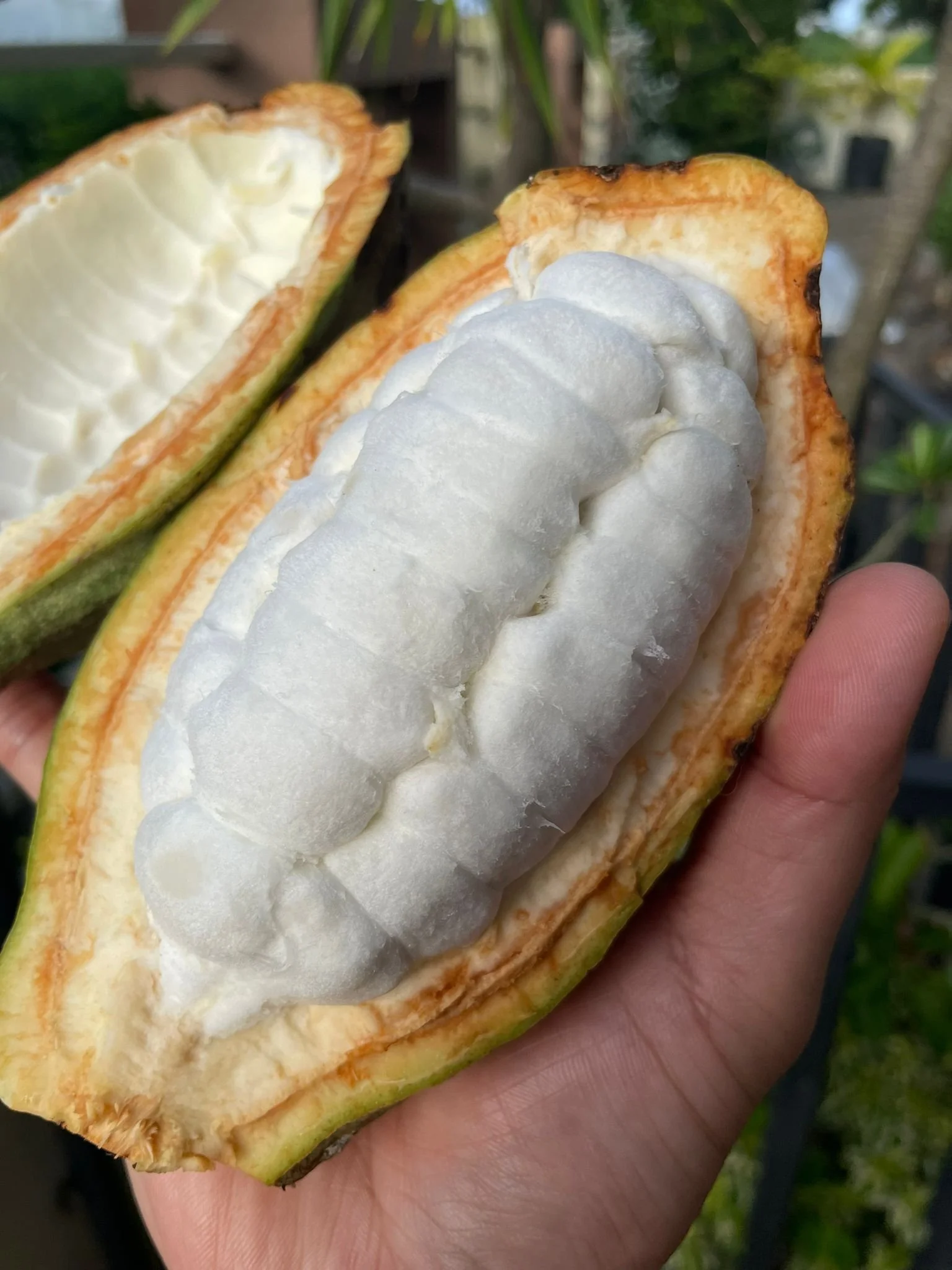
Well, not in the way you may think. To date there are at least 11 maybe 12 wild varieties of cacao identified. This goes beyond the more outdated trio of varieties: criollo, trinitario, forastero. There is no such thing as a "bad" variety or "good/best" variety. Each one can offer incredible beans depending on the local population, and how it was cured (fermented/dried).
To make things more complicated, of these wild varieties, there are countless cultivars (hybrids, heirlooms, etc.) of these wild varieties. Some of them ancient, some of them new. Spanning the entire world from the Americas to Africa to Asia. Genetic material taken from one region in the Americas and brought to Asia, for instance, will eventually also grow to be maybe similar but also very distinct populations with their own attributes. Meaning, just because cacao is linked genetically, doesn't mean you know exactly what attributes/flavour profile you're getting.
Cacao trees produce sexually, not asexually. Although cacao flowers are hermaphroditic (containing both male and female parts, they cannot self pollinate. Farmers in Peru are known for not only selecting "types" of trees, but selecting for individual trees based on unique cacao traits that tree produced.
All this to say that although understanding what variety or mix of varieties a cacao is, what is more important is the batch and source of the cacao beans. This is what matters most. An Amelonado is often associated with poor flavour/bulk cacao, because that was the stock from which much of the bulk cacao was propagated from. But Amelonado itself can produce wonderfully aromatic cacao. So do not get too concerned with "which variety is this" for the purpose of judging whether the cacao is "good" or "bad". Use it to understand what you are working with, but base your judgement on the quality of the beans from which they were sourced.
+ Start from a reputable source.
Cacao distributors are a highly valuable and underappreciated resource in the cacao world. Without them, most makers wouldn't have the logistics, time, or money to source incredible cacao.
I will say that even reputable cacao distributors do sell cacao that I would argue is not A+, or suitable for everyone, but they are still a great place to start.
So how do you find them? Check out my free bean-to-bar map app, and use the filter to show only cacao distributors. You can also try the desktop version. Reach out and ask them what a good beginner cacao would be, or ask them what you're looking for. But also keep in mind that much of the outcome is up to you, and if you are a beginner, don't be so quick to blame the cacao. Having said that, sometimes you may be doing everything right, but the cacao you are choosing either isn't great for you, your equipment, or your expectations.
+ Make connections with other makers.
The world of bean-to-bar chocolate making is an odd one. It's still a small community. This can be good or bad. Many are very willing to help, chat, connect. But many are also very protective, suspicious, or greedy. There is absolutely nothing wrong with being protective or suspicious, as that often comes from experience with opportunists in the industry, but keep in mind that it may take time to build relationships. No one owes you anything for free, so be respectful, kind, and don't just take.
Go to bean-to-bar events, tastings, visit makers, if you wish. Some people, like myself, much prefer to keep to themselves and figure things out on their own. But there are benefits to connecting with the right people who share your values and goals. From there you may be able to source some interesting/fine cacao. But keep in mind that there is nothing wrong with people wanting to protect their sources of cacao, so be kind and genuine and do not use it as an opportunity to take advantage of others.
+ Tasting the beans only tells you so much.
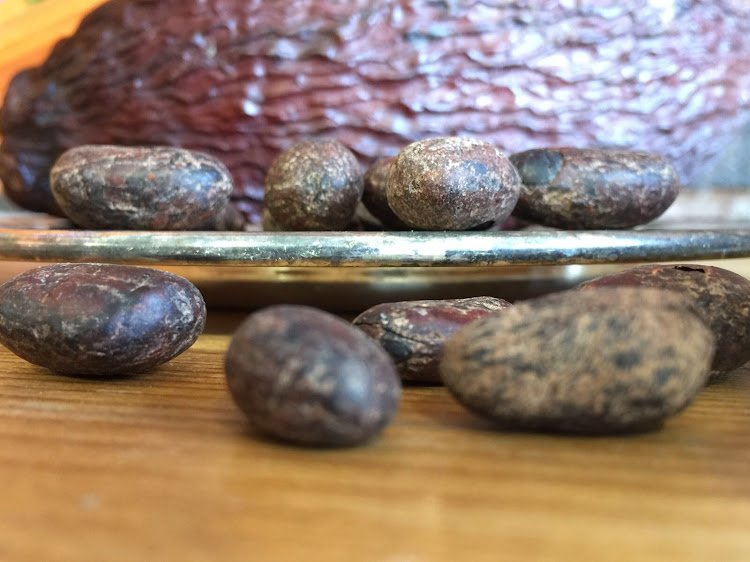
Many people think that tasting raw (unroasted) or even roasted cocoa bean is going to tell you exactly what the chocolate will taste like. Essentially just a sweeter version of the pure cocoa bean. This can't be further from the truth. Even a well-roasted cocoa bean still has a long way to go in regards to flavour profile. And especially if you are a beginner, it's going to be a challenge to know what to taste for.
Fortunately or unfortunately, you need to test out your beans. That's why it's a good idea to source 5Kg or smaller bags of beans before committing to more. Roast them, grind them up with some sugar, and play around with the refining time. Experts may have an idea of the direction a bean may go after turning it into chocolate, but even for them they require testing. There is a lot of potential locked up in a little bean, and tasting the bean itself isn't going to give you a clear vision of what that bean is capable of.
Many people become discouraged because they can't taste much in the bean itself (it's harsh, and may not be interesting). Or it doesn't taste as the cacao distributor described. This partly will come from experience, this is partly just the way it is, the cacao distributor may be wrong, or the flavour profile they suggest may be the chocolate made from it - not the bean itself.
+ You can't force a flavour profile.
Many new makers, especially those with a background in coffee, are so convinced that they can force a flavour profile just by roasting. They feel defeated very quickly because the truth is, that is not possible.
Can roasting influence the flavour profile? Absolutely. But the roasting works with what attributes that particular batch of beans already has. Not just the variety or genetic makeup, but how that batch was fermented/dried, the various cacao from other farms it was pooled with, and so forth. Beans from a specific source (be it a farm, a cop-op) should have a relative consistency to them. Perhaps the chocolate made from these beans is known to always have a heavy earthy undertone with notes of spice and wood frequently coming through. Each maker will apply their own roasting profile, their own method, their own unique types and size of equipment to refine, some may age while others may not. But regardless, those beans tend to have a familiar profile found from maker to maker. This isn't always the case, but this is often the case.
Now, taking those beans and applying various roasting parameters will tweak the flavour profile. Maybe the earthy can be subdued. Perhaps the spice can be enhanced. Perhaps for some reason an herbaceous profile can come through that often isn't there. Yes, that is all possible. But keep in mind there are limits.
This particular bean/source of beans isn't going to ever have a delicate fruity/floral/honey flavour no matter how you roast. Many new makers do think that applying a certain roasting profile (perhaps underroasting) will achieve these notes. Truth is, those beans likely don't have the ability to ever have those notes. If you wish to have that fruity/floral/honey profile, you're going to have to source a very different bean.
Each source of beans comes with their own potential, and it's up to you as a maker to be creative and test their potential through various roasting methods, refining methods, aging, and so forth. Your goal is to figure out the potential that bean has, not to force it to taste a certain way.
+ Be open to it not tasting like chocolate.
There is a range of cacao that is available. Maybe not easily available to most depending on where in the world you are, but there is quite a range of cacao. One good thing the bean-to-bar sector has "discovered" or allowed people to discover is that chocolate/cacao as we know it doesn't actually exist. There is no "signature" dark chocolate flavour per se. What you expect or are used to is essentially an industrial chocolate standard that has been fed to you since birth (or even in utero if your mother was a chocolate fanatic).
What has been discovered is that the flavour of cacao is incredibly varied, maybe even more than wine or tea. When you delve into bean-to-bar making, and look into sourcing great cacao, you will come across cacao that isn't what you may have expected. Not all of it is simply a cocoa backdrop with a hint of tart "fruity" note. There are some sources of cacao that have flavour notes you would not have ever expected, and some don't taste like chocolate as you know it at all.
This isn't to judge or diminish the more quintessential flavour of cacao, as many high quality beans do tend to push in that direction as well. There is still a place for what most would say is the "standard" chocolate flavour. There is nothing wrong with using such beans. But just be aware that there is a very wide and unique range of flavour when it comes to single-origin, single-farm cacao beans. So be open to perhaps creating chocolate you didn't anticipate. Be less critical of various beans/origins and more open to the fact that many profiles exist. It's simply up to you to decide if it works for you or not.