Chocolate Making 101 - Research
Are you a chocolate nerd? If so, you may enjoy these in-depth summaries of chocolate research as it pertains to chocolate making. Don’t be overwhelmed! It may contain a lot of jargon and terms you’re unfamiliar with. However, I encourage you to skim through it, look at figures and tables, and start to make sense of at least some of the information here.
If you love to learn about the “why” and “how” of chocolate making, it’s important to dabble into primary research and see for yourself what the science is saying. Many times the information you find online or in social media greatly over embellishes or conflicts with the actual research. Therefore, it’s a good idea to see what the actual researchers say, and not just get their information through secondary or tertiary sources.
Welcome!
Research summaries
related to chocolate making
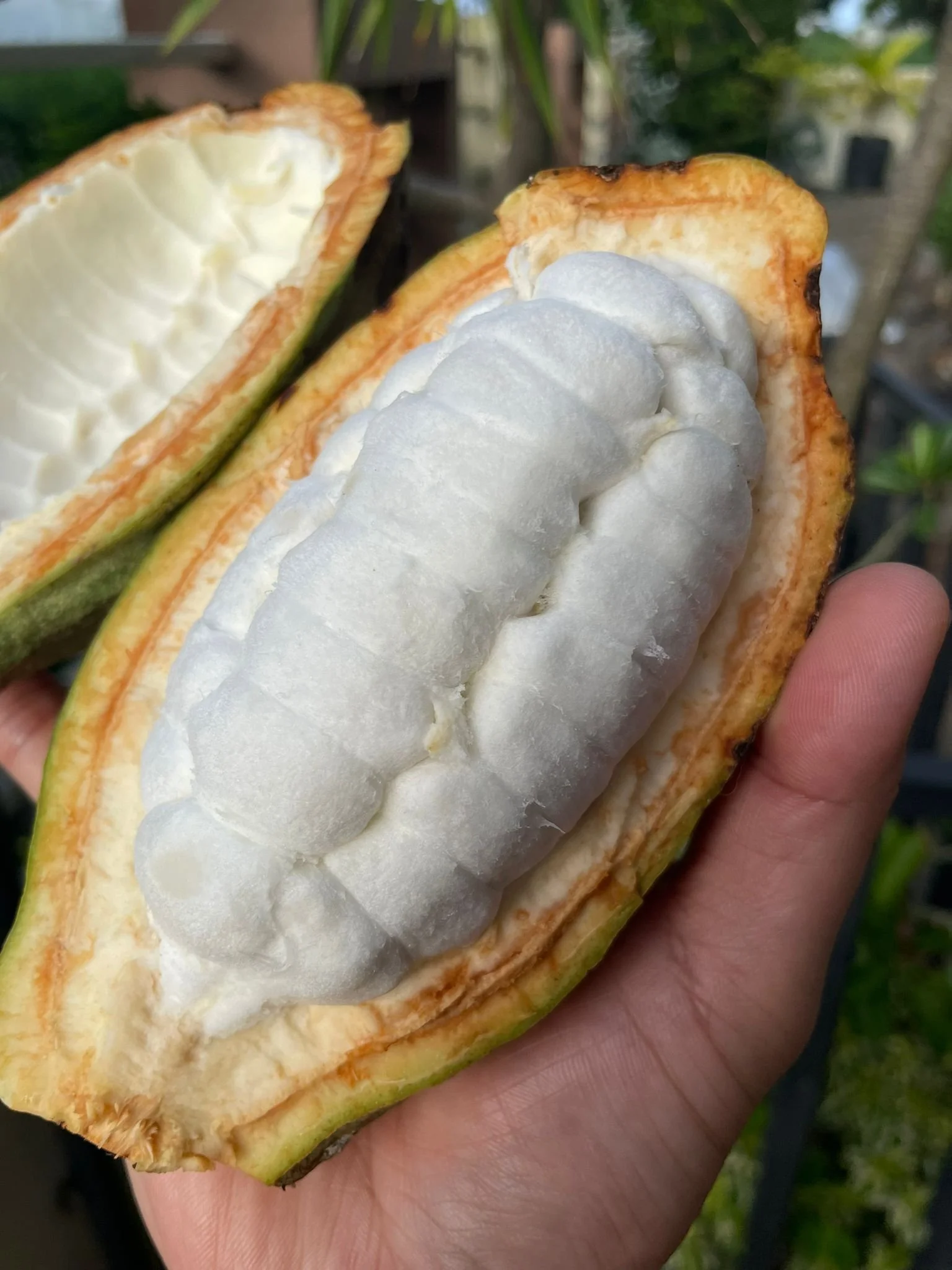
Cocoa bean fermentation impacting aroma compound formation and concentration based on fermentation location
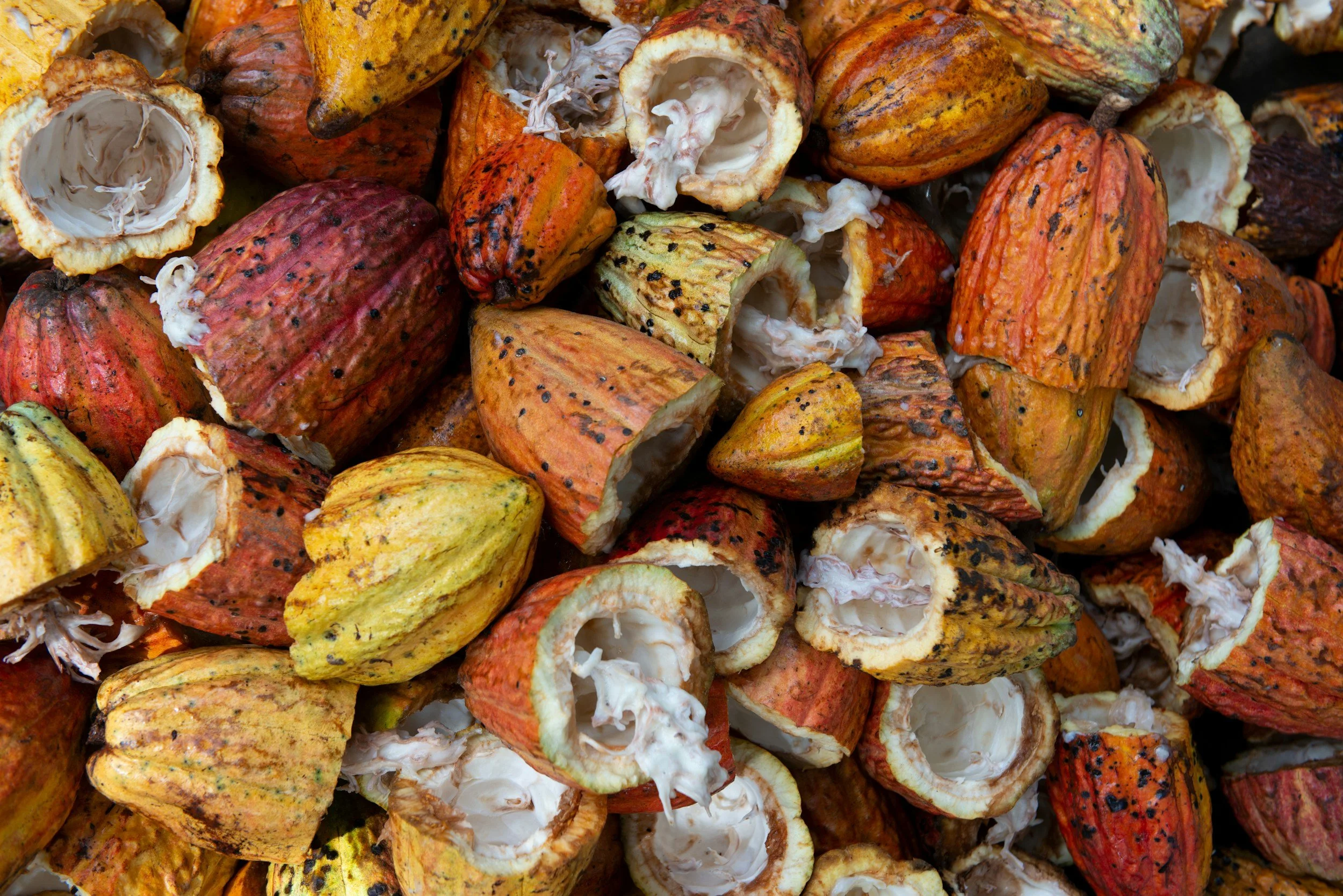
Dynamics of volatile and non volatile compounds in cocoa during fermentation and drying processes

The Impact of grinding intensity on particle properties and rheology of dark chocolate based on roller refined and ball-mill refined chocolate impacting particle size and shape.
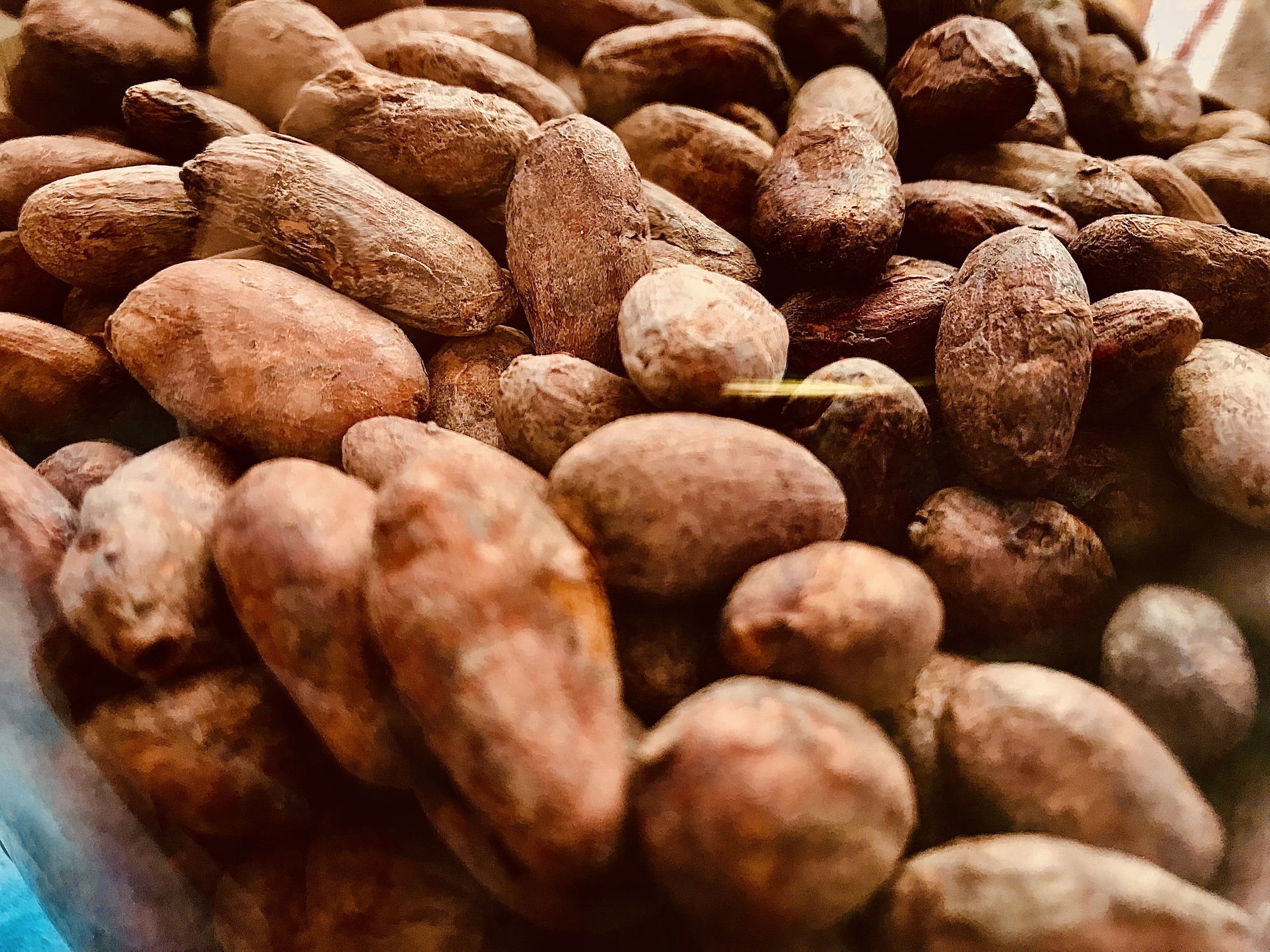
Effect of Cocoa Roasting on Chocolate Polyphenols Evolution. A look at epicatechin levels in cacao and chocolate at different points of processing, with a focus on Chocolate Modica from Italy.
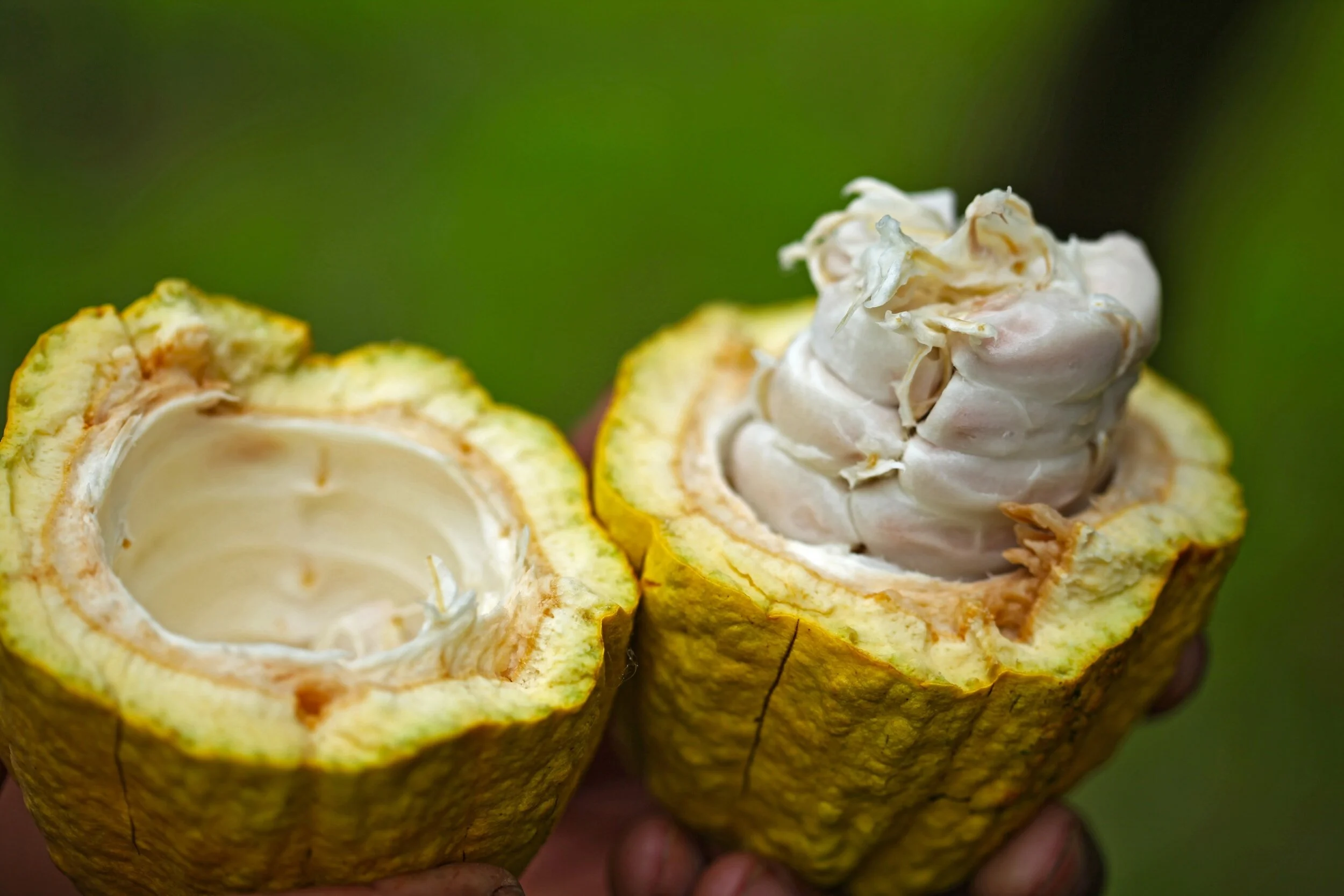
Is Fairtrade really making a positive impact on our food supply and the people connected with it? What are some some of the negative impacts of Fairtrade certification on cacao and chocolate.

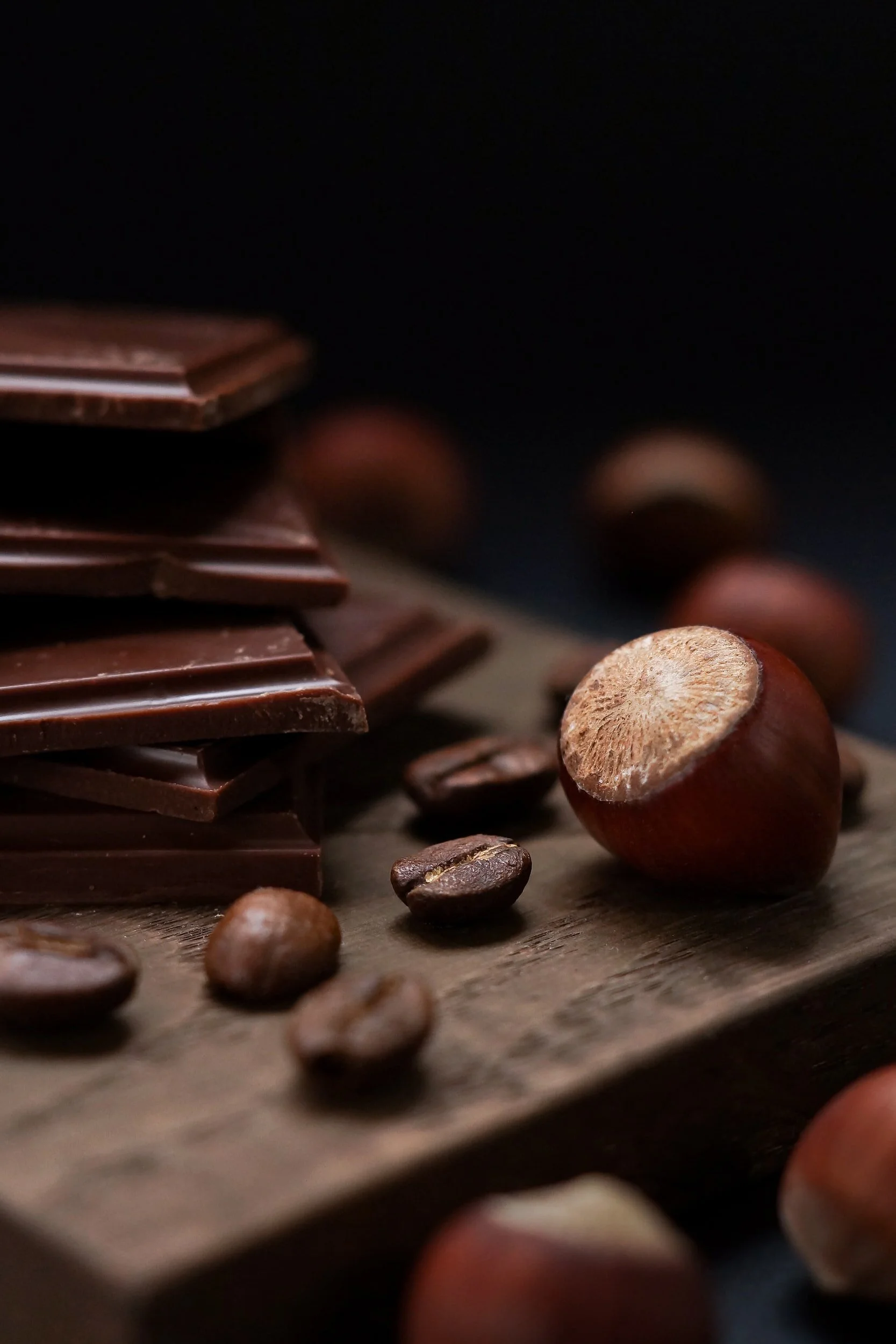
How do I know if my chocolate is low or high quality based on ingredients? Learn about the difference between high and low quality dark chocolate, milk chocolate, and white chocolate.

Best before dates, expiration dates, and chocolate. Is it okay to eat chocolate past the expiration or best before date?
What are some off-flavours in chocolate? Mold, sour notes, burnt, ferment / barn, putrid / cheesy, metallic / medicinal may be off-flavours you find in artisan bean-to-bar chocolate.


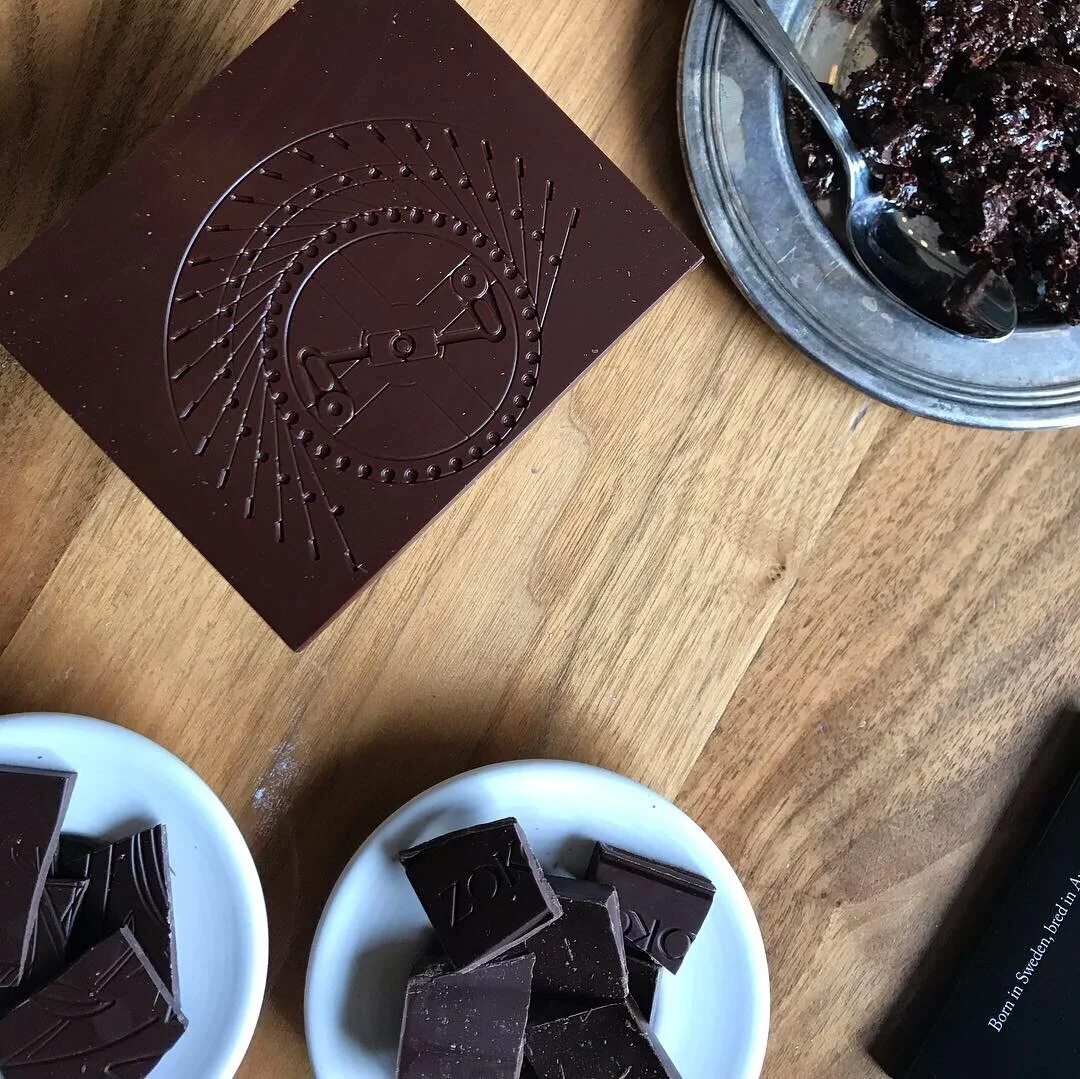
Conching and its impact on chocolate quality, rheology, flavour, flow, safety and nutrition.


The Dynamics of volatile aromas and non-volatile compounds in cocoa during fermentation and drying
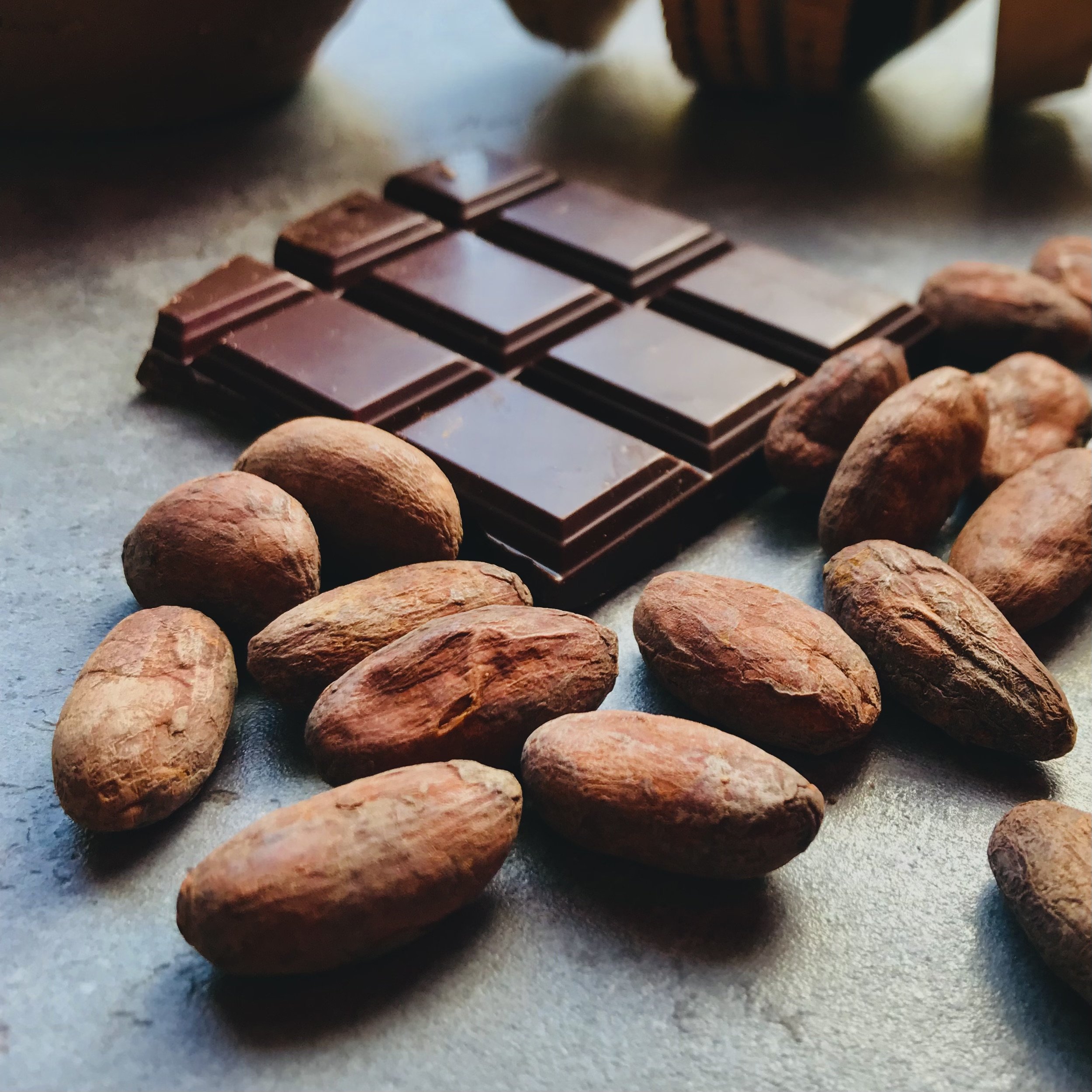
General myths about chocolate cacao versus cocoa, bitter dark chocolate, sweet milk chocolate, white chocolate, ruby chocolate, chocolate is unhealthy, chocolate is dessert, chocolate terroir,


Effect of sugar, cocoa particles, and lecithin on cocoa butter crystallization in seeded and non-seeded chocolate.

What main factors influence the flavour of fine cacao and chocolate? You may be surprised by some of the answers. Yes, roasting is one, but there are a couple underestimated factors as well. Is terroir a good reason why cacao and bean to bar chocolate tastes so different?

A look at how fair trade and similar niche market sectors grew, as well as how they developed. This paper looks mostly into fair trade coffee, but can be applied to fair trade cacao and fair trade chocolate as well.


How does sugar impact the flavour of chocolate? Some say sugar brings out the flavour of chocolate, but what does that mean exactly?
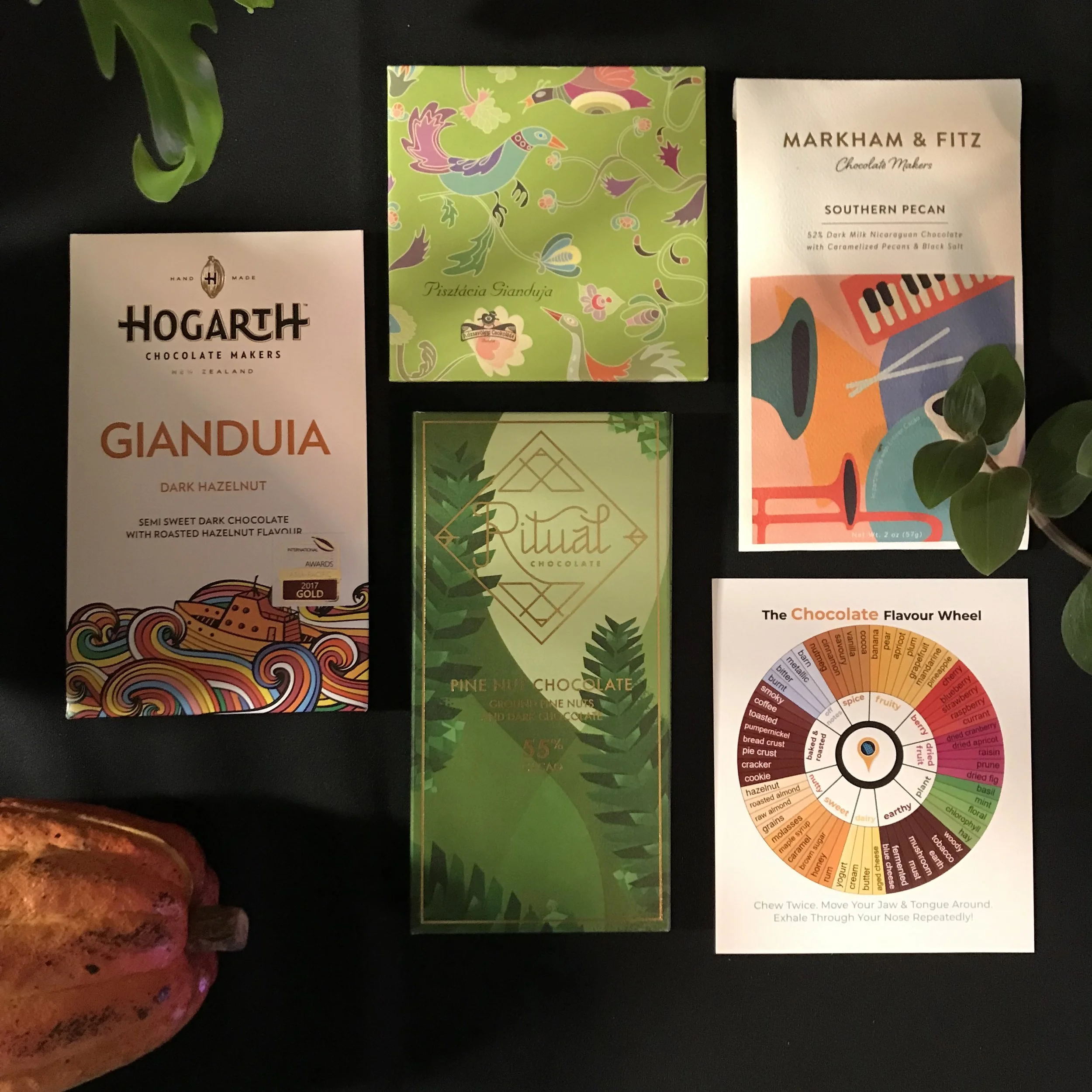

The challenges of selling fine chocolate are often overlooked or not taken seriously, especially by those within the fine chocolate industry who take it for granted what it was to not understand or appreciate fine chocolate.

Understanding the structure of chocolate looks at the various crystal structures of cocoa butter, and a look at a type of pre-crystallization process to help in tempering.

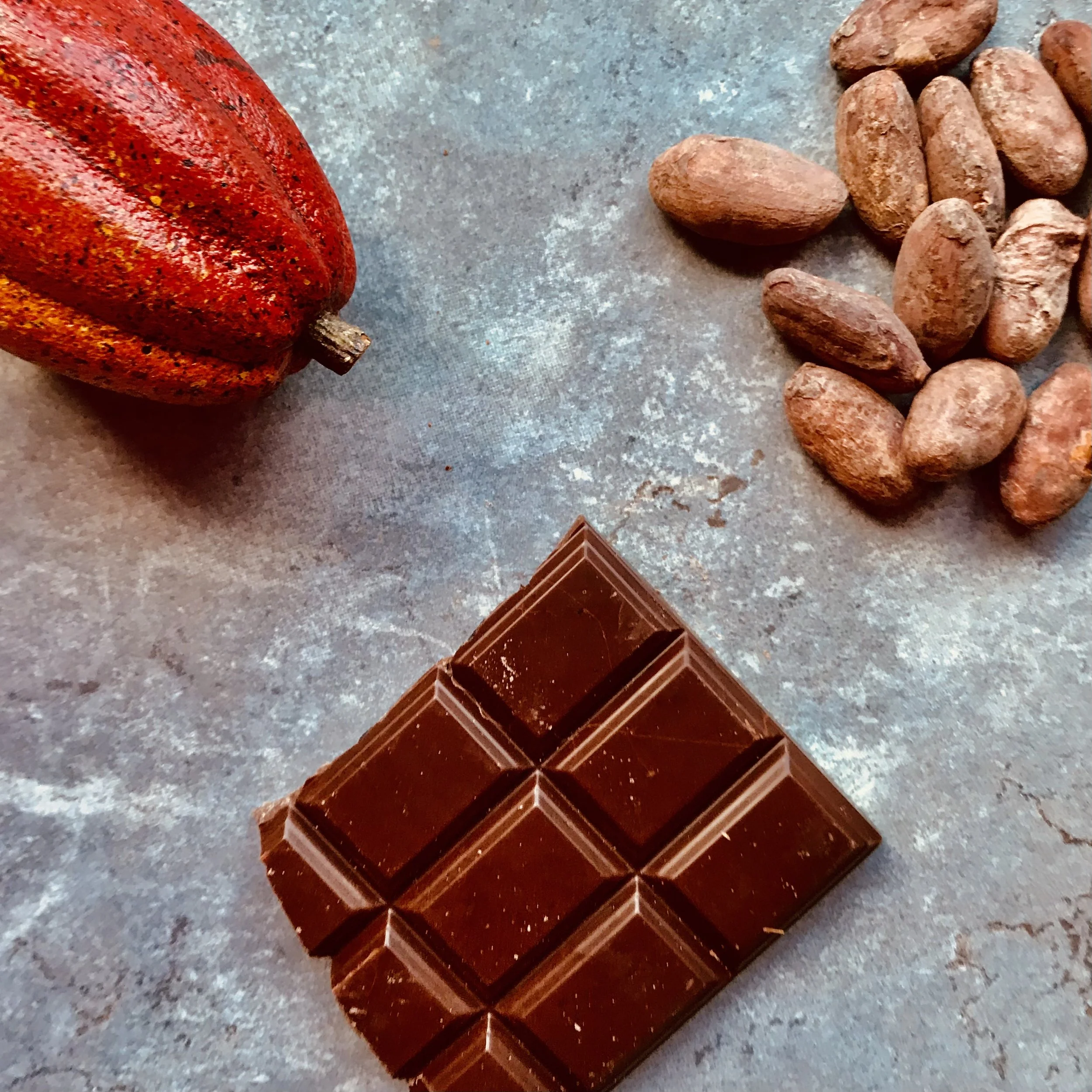
Testing two pre-crystallization tempering methods. One conventional and one using Bvi cocoa butter seed in order to see their impact on product quality and storage.

More information coming soon.